


Protein powder for physical rehabilitation should provide 20-25g of complete protein with all essential amino acids to support muscle rebuilding during recovery exercises. During rehabilitation, your muscles are working to regain strength and function after injury or surgery. This process requires significantly more protein than normal daily activities. According to the Journal of the International Society of Sports Nutrition, individuals in rehabilitation phases need 1.6-2.2g of protein per kilogram of body weight daily to optimize tissue repair and muscle adaptation. With so much conflicting advice about supplements during recovery, it's smart that you're researching the specifics. The right protein powder becomes a practical tool to meet these elevated needs without digestive stress or allergen concerns that could complicate your healing process.
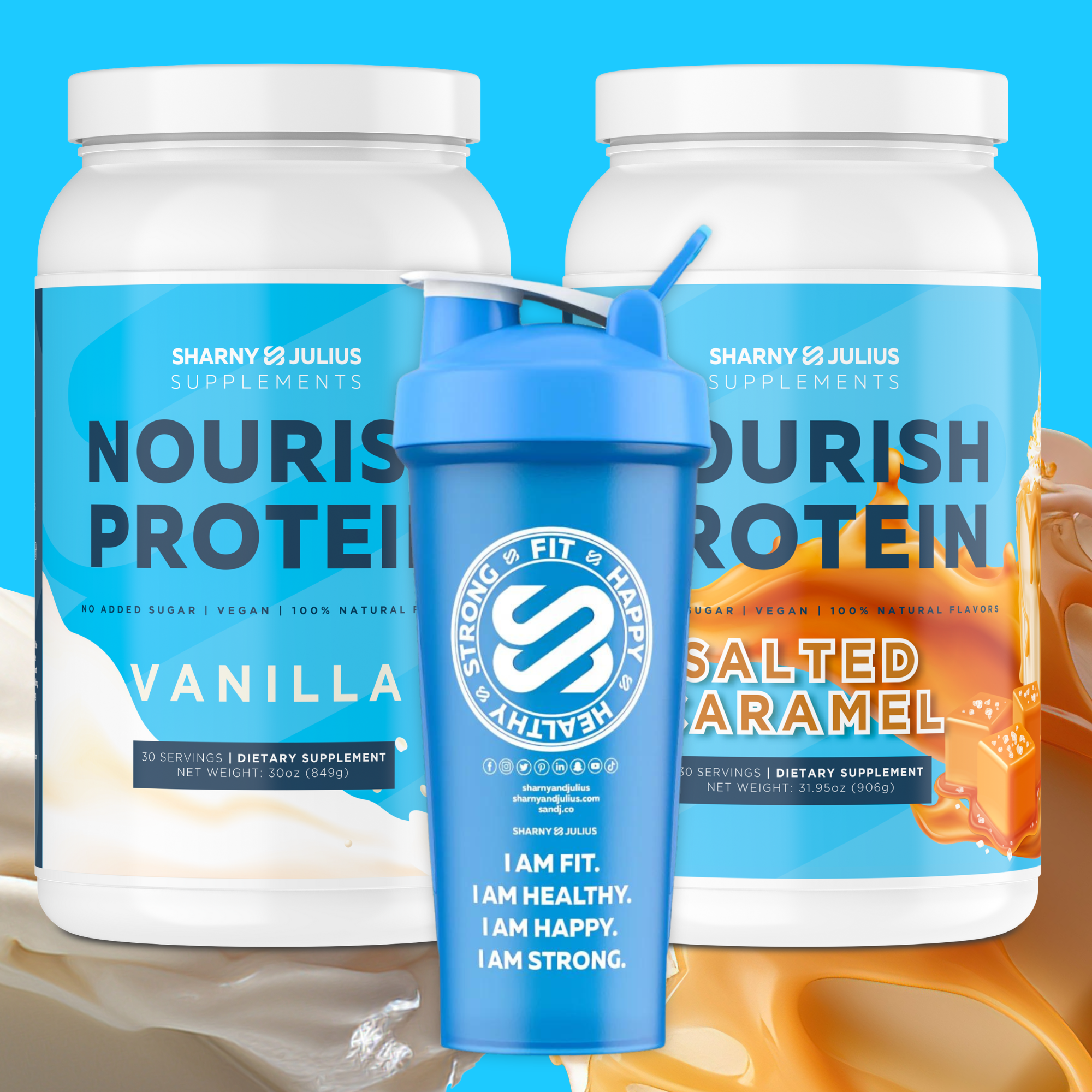
S&J Nourish™ Plant Protein
20g protein · All 9 EAAs · Free from all 9 allergens · NSF Certified
Why Recovery Matters Supporting Physical Rehabilitation with Protein
Rehabilitation exercises systematically rebuild weakened muscles by creating controlled micro-damage that your body repairs stronger than before. This rebuilding process requires all nine essential amino acids as the literal building blocks for new muscle tissue. Without adequate protein intake, your rehabilitation exercises may not translate into the strength gains and functional improvements you're working toward. According to the American College of Sports Medicine, protein deficiency during rehabilitation can extend recovery timeframes by 25-40% compared to adequate intake. The leucine, isoleucine, and valine (branched-chain amino acids) are particularly crucial as they directly stimulate muscle protein synthesis at the cellular level. During physical therapy, your body is essentially running a construction project that requires premium materials. Generic protein supplements often fall short because they may lack complete amino acid profiles, contain allergens that trigger inflammation, or cause digestive issues that interfere with nutrient absorption when your body needs it most.
What to Look for in a Protein Supporting Physical Rehabilitation with Protein
1. Complete amino acid profile with strong BCAA ratios to fuel muscle rebuilding during therapy sessions 2. Allergen-free formulation to avoid inflammatory responses that could slow healing 3. Third-party testing for purity to ensure you're not introducing contaminants during recovery 4. Easy digestibility to prevent bloating or nausea that interferes with rehabilitation exercises 5. Consistent mixing without grittiness, since you'll likely be consuming it daily for weeks or months S&J Nourish™ plant-based protein delivers exactly this combination: 20g of pea protein isolate with all 9 essential amino acids and a BCAA ratio that matches or exceeds whey protein. It's free from all 9 major allergens and NSF certified with every batch independently tested for purity and banned substances. Most importantly for rehabilitation, 97% of customers report zero bloating, and it mixes instantly with just water—no blender needed when you're managing physical therapy schedules and recovery protocols.
Recovery Supporting Physical Rehabilitation with Protein FAQ
How much protein during physical therapy?
Aim for 1.6-2.2g per kilogram of body weight daily, with 20-25g consumed within 2 hours post-therapy. This elevated intake supports the muscle rebuilding process that rehabilitation exercises initiate, ensuring your body has adequate amino acids available during peak repair periods.
Does protein help rehabilitation?
Yes, adequate protein intake can reduce rehabilitation timeframes by 25-40% according to sports medicine research. Protein provides the essential amino acids needed for muscle tissue repair and adaptation that occurs during physical therapy exercises.
What should I eat during physical rehab?
Focus on complete proteins at each meal, anti-inflammatory foods like fatty fish and vegetables, and adequate hydration. A high-quality protein powder ensures consistent amino acid availability without the digestive burden of large meals around therapy sessions.
Find Your Protein
Your rehabilitation deserves nutrition that works as hard as you do. Nourish™ provides 20g of complete protein with all 9 essential amino acids, free from all 9 major allergens, NSF certified, and zero bloating—available in smooth Vanilla and rich Salted Caramel. A daily protein habit during rehab becomes the nutritional foundation for long-term recovery.
Shop Nourish