


Plant-based protein powders, particularly pea protein, may be safer for kidney disease patients than whey protein due to lower phosphorus content and reduced metabolic waste production. When you're managing kidney health, every nutritional decision feels overwhelming—especially with the conflicting advice about protein supplements flooding the internet. The truth is, people with kidney concerns need protein to maintain muscle mass and overall health, but the source and quality matter significantly. According to the National Kidney Foundation, protein requirements vary based on kidney function stage, making it crucial to choose supplements that work with your body rather than against it.
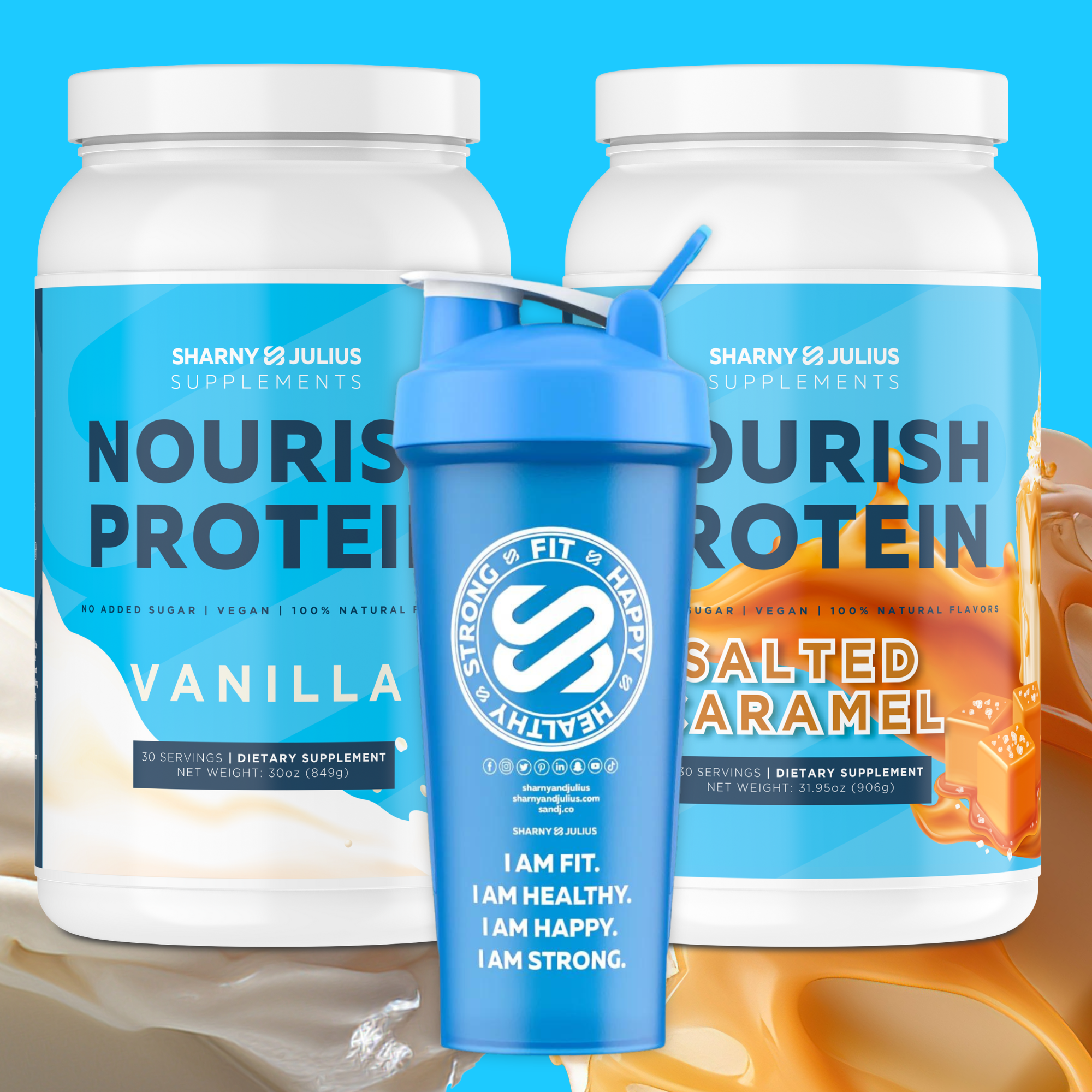
S&J Nourish™ Plant Protein
20g protein · All 9 EAAs · Free from all 9 allergens · NSF Certified
Why Protein Source Matters for Kidney Health
Your kidneys filter waste products from protein metabolism, and different protein sources create varying amounts of metabolic burden. Plant proteins like pea protein generate fewer nitrogenous waste products compared to animal-based proteins, potentially reducing strain on compromised kidney function. This happens because plant proteins contain different amino acid profiles and are processed more efficiently by the body. Additionally, plant proteins typically contain less phosphorus than dairy-based options like whey—a critical consideration since kidney disease patients often need to limit phosphorus intake. According to the American Journal of Kidney Diseases, high phosphorus intake accelerates kidney function decline in chronic kidney disease patients. The key is finding a complete protein source that provides all essential amino acids without the additional metabolic stress that animal proteins can impose on your filtering system.
What to Look for in a Kidney-Friendly Protein
When selecting protein powder for kidney concerns, prioritize these factors: 1. Choose plant-based sources: Pea, rice, or hemp proteins typically produce less metabolic waste than whey or casein 2. Verify complete amino acid profiles: Ensure all 9 essential amino acids are present to support muscle maintenance without requiring multiple supplements 3. Avoid unnecessary additives: Skip products with artificial colors, gums, or excessive phosphorus-containing fillers that add kidney burden 4. Demand third-party testing: Look for NSF certification to ensure purity and accurate labeling—contamination risks are too high otherwise 5. Consider digestive gentleness: Poor digestion creates additional metabolic waste, so choose options that mix smoothly and don't cause bloating Our S&J Nourish™ plant-based protein delivers 20g of pea protein isolate with all 9 essential amino acids in optimal ratios. It's free from all 9 major allergens, NSF certified for purity, and 97% of customers report zero bloating—crucial when your body is already working harder to process nutrients efficiently.
Kidney Disease and Protein Powder FAQ
Is plant protein better for kidneys?
Plant proteins generally produce less metabolic waste and contain lower phosphorus levels than animal proteins, potentially making them gentler on compromised kidney function. However, always consult your nephrologist about appropriate protein levels for your specific kidney disease stage.
How much protein with kidney disease?
Protein needs vary significantly based on kidney disease stage, ranging from 0.6-0.8g per kg body weight for early stages to higher amounts for dialysis patients. Your nephrologist should determine your specific protein target based on lab results and kidney function.
Can protein powder damage kidneys?
Excessive protein intake can strain healthy kidneys over time, and inappropriate amounts can accelerate decline in existing kidney disease. However, meeting appropriate protein needs is essential for health—the key is choosing the right source and amount under medical guidance.
Find Your Protein
Managing kidney health while maintaining proper nutrition requires careful choices, not restriction. Nourish™ provides 20g of complete pea protein with all essential amino acids, free from all major allergens, and NSF certified for purity—with lower phosphorus content than whey options that may better support your kidney health goals.
Shop Nourish