


Protein powder can help maintain metabolism after menopause by preserving muscle mass, which naturally declines during hormonal changes and drives your metabolic rate. The hormonal shifts of menopause create a perfect storm for metabolic slowdown — declining estrogen reduces muscle-building capacity while simultaneously decreasing your resting metabolic rate. According to the North American Menopause Society, women experience an average 5% decline in metabolic rate during menopause, making adequate protein intake crucial for maintaining the muscle tissue that burns calories even at rest. With conflicting advice everywhere about supplements and metabolism, it's smart that you're researching the specific protein needs during this life stage rather than relying on generic fitness recommendations.
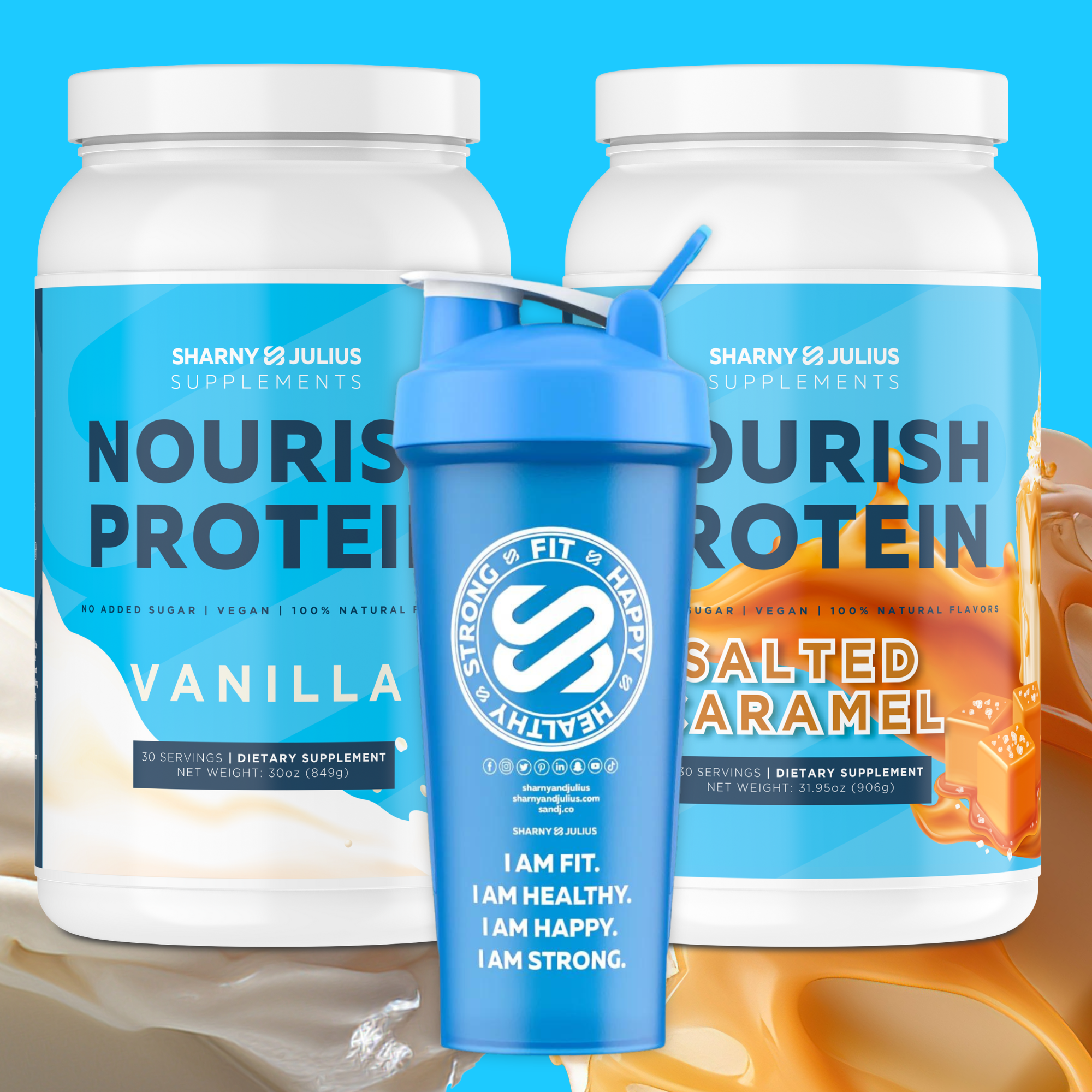
S&J Nourish™ Plant Protein
20g protein · All 9 EAAs · Free from all 9 allergens · NSF Certified
Why Protein Matters for Supporting Metabolism Through Menopause and Beyond
Menopause causes an average 5% metabolic rate decline, but this isn't inevitable — protein preserves the muscle that drives metabolism. During menopause, declining estrogen levels reduce your body's ability to synthesize protein into muscle tissue, while simultaneously increasing the breakdown of existing muscle. This creates a metabolic double-hit: less muscle mass burning fewer calories, combined with hormonal changes that naturally slow your baseline metabolic rate. According to research published in the Journal of Nutrition, post-menopausal women need 1.4-1.6g of protein per kilogram of body weight to compensate for this hormonal metabolic slowdown — significantly higher than standard recommendations. The key is that muscle tissue is metabolically active, burning calories 24/7 even when you're sleeping. By maintaining muscle mass through adequate protein intake, you're essentially preserving your body's natural calorie-burning engine rather than fighting against a slower metabolism with restrictive dieting.
What to Look for in a Protein for Supporting Metabolism Through Menopause and Beyond
1. Complete amino acid profile: Look for all 9 essential amino acids, particularly a strong BCAA ratio (leucine, isoleucine, valine) to trigger muscle protein synthesis when estrogen can't do the heavy lifting anymore. 2. Easy digestion: Hormonal changes can make digestion more sensitive, so choose proteins that won't cause bloating or discomfort that derails consistent use. 3. Allergen-free formulation: Midlife often brings new food sensitivities, making proteins free from all 9 major allergens (dairy, gluten, soy, nuts, eggs, fish, shellfish, sesame, wheat) safer choices. 4. Quality assurance: NSF certification ensures every batch is independently tested for purity and banned substances — crucial when you're using protein daily for metabolic support. 5. Realistic daily use: The best protein is one you'll actually use consistently. S&J Nourish™ delivers 20g of complete pea protein isolate with a BCAA ratio that matches or exceeds whey, plus it tastes like melted vanilla ice cream or rich buttery toffee rather than chalky supplements. With 97% of customers reporting zero bloating, it supports the higher protein intake post-menopausal women need without digestive disruption.
Protein and Metabolism After Menopause FAQ
How to boost metabolism after menopause?
Focus on preserving muscle mass through adequate protein intake (1.4-1.6g per kg body weight) and resistance training. Since muscle tissue burns calories continuously, maintaining muscle mass through menopause prevents the metabolic decline that comes with muscle loss, offering a sustainable approach rather than extreme calorie restriction.
Does menopause slow down metabolism permanently?
No, the metabolic slowdown isn't permanent if you maintain muscle mass through adequate protein and strength training. While hormonal changes do reduce baseline metabolic rate, the biggest factor is muscle loss, which is preventable and reversible with proper nutrition and exercise habits.
What protein helps menopausal weight gain?
Complete proteins with all essential amino acids help prevent menopausal weight gain by preserving metabolism-driving muscle mass. Plant-based options like pea protein isolate provide the same muscle-building amino acids as animal proteins while being gentler on potentially sensitive digestion during hormonal changes.
Find Your Protein
Supporting your metabolism through menopause doesn't require extreme measures — it requires the right protein strategy. Nourish™ provides 20g of complete protein with all 9 essential amino acids, free from all 9 major allergens, NSF certified, and causes zero bloating in 97% of customers, making it easy to maintain the higher protein intake your changing body needs.
Shop Nourish