


How Protein Helps With Weight Loss — The science behind protein's role in satiety, metabolism, and preserving lean muscle during a calorie deficit. Higher protein intake increases thermogenesis, reduces hunger hormones, and protects metabolically active muscle tissue, making it one of the most effective nutritional strategies for sustainable fat loss.
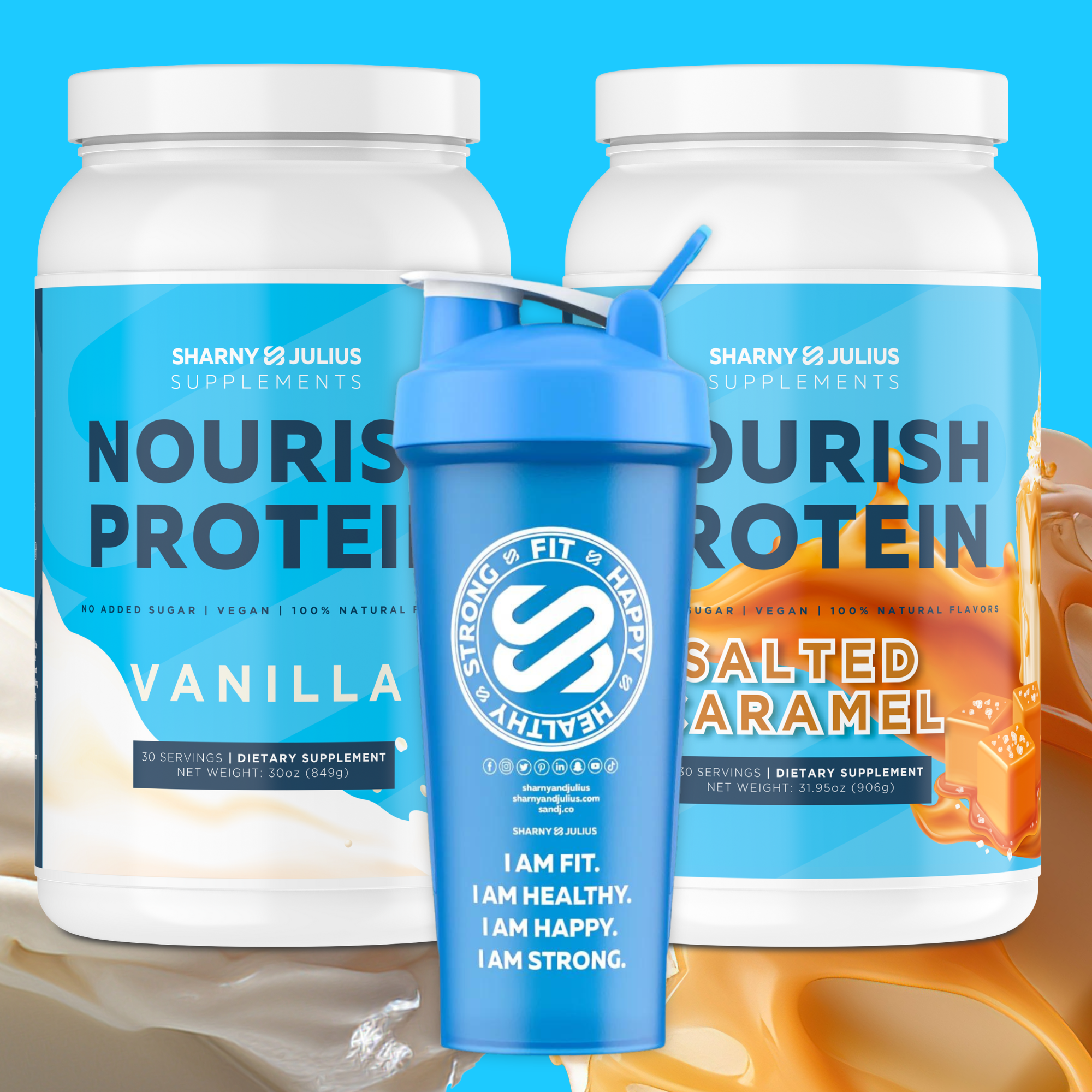
S&J Nourish™ Plant Protein
20g protein · All 9 EAAs · Free from all 9 allergens · NSF Certified
How Protein Supports Weight Loss
Protein influences weight loss through three primary mechanisms: increased thermic effect of food, enhanced satiety signaling, and muscle preservation during caloric restriction. The thermic effect of food (TEF) refers to the energy your body expends to digest, absorb, and metabolize nutrients. According to a review published in the Journal of the American College of Nutrition, protein has a thermic effect of 20 to 30%, compared to just 5 to 10% for carbohydrates and 0 to 3% for fat. This means that for every 100 calories of protein consumed, your body uses 20 to 30 calories just to process it.
Protein also has a powerful effect on appetite regulation. Research published in the American Journal of Clinical Nutrition found that increasing protein intake from 15% to 30% of total daily calories led participants to consume approximately 441 fewer calories per day without intentionally restricting food. This reduction was driven by protein's effect on hunger hormones: it increases peptide YY (PYY) and glucagon-like peptide-1 (GLP-1), which promote fullness, while simultaneously reducing ghrelin, the hormone that signals hunger.
Perhaps most importantly, protein protects lean muscle mass during a calorie deficit. A 2016 study published in the American Journal of Clinical Nutrition demonstrated that participants consuming 2.4 grams of protein per kilogram of body weight during a caloric deficit not only preserved more lean mass than a lower-protein group but actually gained muscle while losing fat. This is critical because muscle tissue is metabolically active, burning roughly 6 calories per pound per day at rest according to the National Institutes of Health, so maintaining muscle during dieting helps prevent the metabolic slowdown that often derails weight loss efforts.
Why Protein Matters for Weight Management
Sustained weight management depends on maintaining your metabolic rate, and protein is central to that equation. According to a landmark study published in the New England Journal of Medicine, participants who consumed a higher-protein diet after initial weight loss were significantly more likely to maintain their results over a 12-month follow-up period compared to those on a standard-protein diet. The higher-protein group experienced less weight regain, better satiety, and improved body composition.
For women specifically, protein becomes even more critical during weight loss. Research from the Journal of Nutrition found that women who consumed at least 1.2 grams of protein per kilogram of body weight during calorie restriction retained significantly more lean mass than those consuming the minimum recommended daily allowance of 0.8 grams per kilogram. Since women naturally carry less muscle mass than men and face accelerated muscle loss after 40, maintaining adequate protein intake during weight loss is essential for preserving the metabolic foundation that supports long-term results.
Practical Takeaways
- Aim for 1.2 to 1.6 grams of protein per kilogram of body weight daily during weight loss, as recommended by the International Society of Sports Nutrition, to preserve lean muscle mass
- Front-load your protein intake by consuming 25 to 30 grams at breakfast, which research in the journal Obesity has shown reduces evening snacking and overall daily calorie intake
- Include a source of complete protein at every meal to maintain steady amino acid availability and prevent muscle breakdown during caloric restriction
- Combine higher protein intake with resistance training at least twice per week, which the American College of Sports Medicine identifies as the most effective strategy for preserving muscle during a calorie deficit
- Choose protein sources that provide high satiety with lower calorie density, such as lean meats, Greek yogurt, legumes, or plant-based protein powders that deliver 20 or more grams of protein per serving
S&J Nourish™ plant-based protein provides 20g of complete protein per serving with all nine essential amino acids, offering an efficient way to increase protein intake during a calorie deficit without adding common allergens.