


Morning protein is generally better for most people because it kickstarts metabolism, reduces all-day hunger, and provides sustained energy when your body needs it most. While evening protein supports overnight recovery, the metabolic and appetite control benefits of morning intake typically outweigh nighttime advantages. According to the American Journal of Clinical Nutrition, consuming protein at breakfast can reduce daily caloric intake by up to 400 calories compared to high-carb morning meals.
If you've been confused by conflicting advice about protein timing, you're not alone. The supplement industry often overcomplicates what should be straightforward nutrition science. The truth is, your body's natural rhythm and daily protein distribution matter more than chasing perfect timing windows.
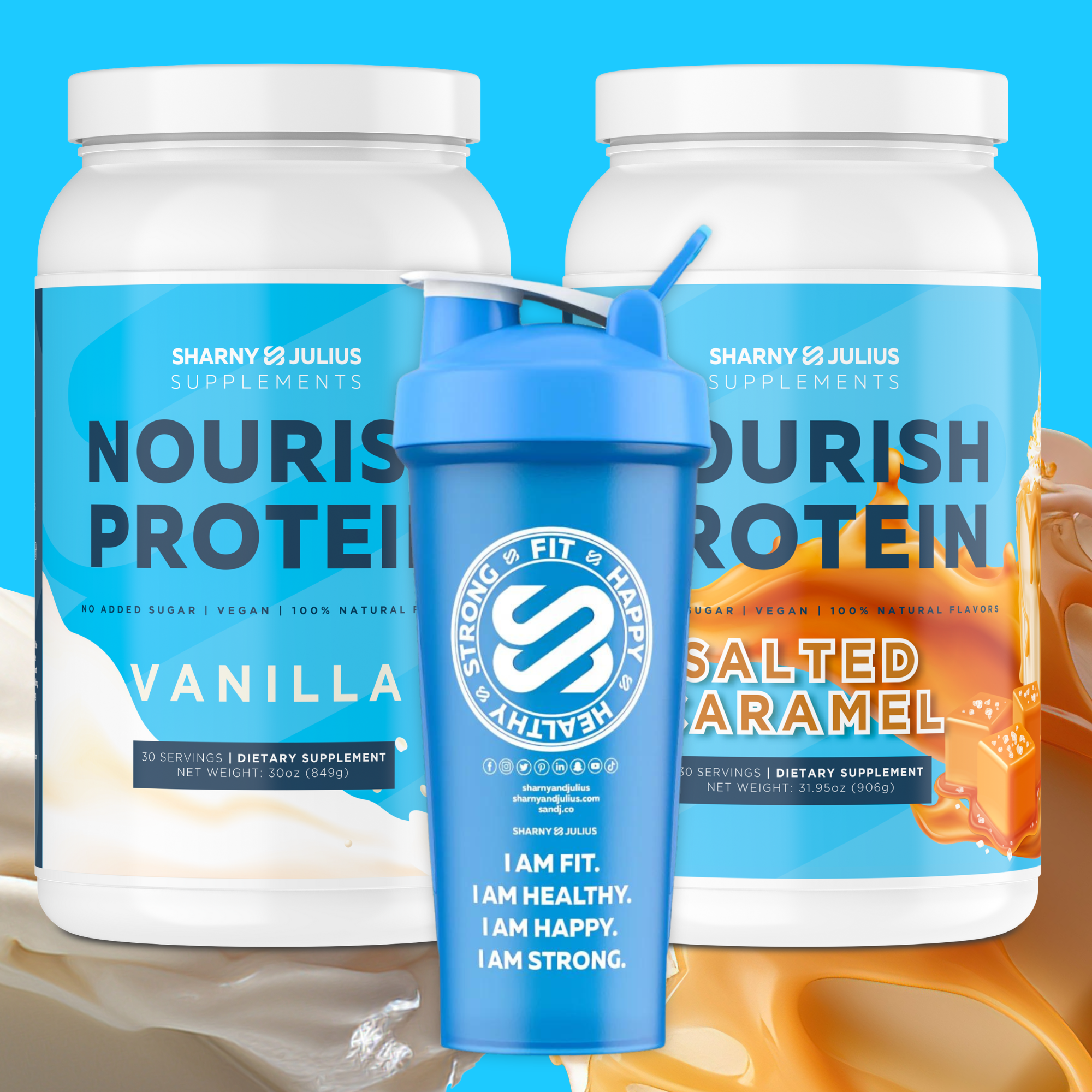
S&J Nourish™ Plant Protein
20g protein · All 9 EAAs · Free from all 9 allergens · NSF Certified
Why Protein Timing Matters for Metabolism and Recovery
Your body's protein needs follow a natural rhythm tied to metabolic processes. Morning protein intake triggers thermogenesis—your body burns more calories processing protein than carbs or fats. This metabolic boost can last 3-4 hours, making morning the optimal window for maximizing daily energy expenditure. Morning protein also stimulates satiety hormones like GLP-1 and PYY, which regulate hunger throughout the day.
Evening protein does support overnight muscle protein synthesis, but most women already consume adequate protein at dinner. According to research published in Nutrition & Metabolism, breakfast typically contains only 10-15g protein compared to 25-30g at dinner, creating a morning deficit that impacts metabolic function. The secondary benefit of morning protein is blood sugar stabilization—protein slows glucose absorption, preventing energy crashes that drive afternoon cravings.
What to Look for in Morning vs Evening Protein
Here's how to optimize your protein timing strategy:
- Prioritize complete proteins: Choose proteins with all 9 essential amino acids, especially leucine for muscle protein synthesis activation
- Consider digestibility: Morning protein should be gentle on your stomach and mix easily without bloating
- Focus on compliance: The best timing is when you'll actually take it consistently—convenience beats perfection
- Choose quality sources: S&J's S&J Nourish™ provides 20g of pea protein isolate with all 9 essential amino acids and a strong BCAA ratio that matches or exceeds whey
- Avoid digestive issues: Nourish™ is free from all 9 major allergens and NSF certified for purity, with 97% of customers reporting zero bloating—making it ideal for morning use when digestive sensitivity is highest
Protein Timing FAQ
When is the best time to take protein?
Morning is optimal for most people due to metabolic benefits and appetite control. However, the best time is ultimately when you can take it consistently every day.
Is protein better in the morning or at night?
Morning protein is generally superior because it kickstarts metabolism, reduces daily hunger, and addresses the typical breakfast protein deficit that most women experience.
Does protein timing really matter?
Yes, but less than total daily intake. Morning protein provides metabolic and appetite benefits, while evening supports recovery. Consistency trumps perfect timing.
Find Your Protein
Whether you choose morning or evening, the key is finding a protein you'll actually want to take every day. Nourish™ delivers 20g complete protein that mixes instantly, tastes like melted vanilla ice cream or rich salted caramel, and won't cause bloating—because the best time is the time you'll stick to consistently.
Shop Nourish