


Pea protein is superior to rice protein because it contains all nine essential amino acids in meaningful amounts, while rice protein is deficient in lysine, a crucial amino acid for muscle protein synthesis. This makes pea protein a complete protein source that can effectively support muscle building and recovery on its own, whereas rice protein requires combining with other sources to achieve the same nutritional completeness.
The plant protein space can feel overwhelming with so many options and conflicting advice online. You're smart to research the differences — choosing the right protein foundation affects everything from your workout recovery to how satisfied you feel between meals. According to the Journal of the International Society of Sports Nutrition, pea protein demonstrates comparable muscle protein synthesis rates to whey protein when leucine content is matched, making it a legitimate standalone option for serious fitness goals.
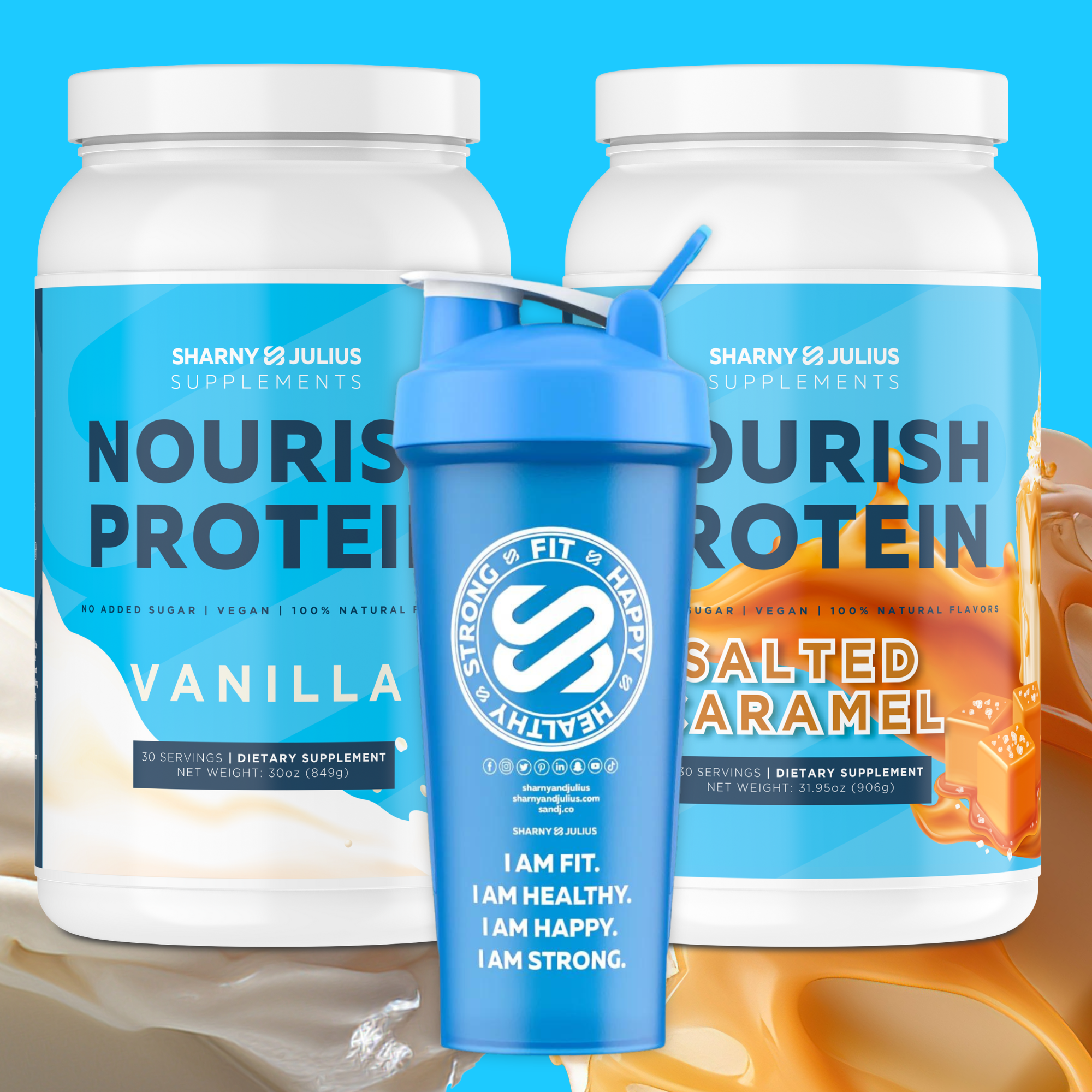
S&J Nourish™ Plant Protein
20g protein · All 9 EAAs · Free from all 9 allergens · NSF Certified
Why Protein Powder Choice Matters When Comparing Pea and Rice Protein
The fundamental difference lies in amino acid completeness. Pea protein naturally provides all nine essential amino acids your body cannot produce on its own, with particularly strong levels of branched-chain amino acids (BCAAs) — leucine, isoleucine, and valine — that directly trigger muscle protein synthesis. Rice protein, while high in some amino acids, falls short in lysine, which is critical for muscle building, immune function, and calcium absorption.
This creates a practical challenge: rice protein users often need to combine their powder with other sources throughout the day to achieve complete nutrition, while pea protein delivers everything needed in a single serving. According to research published in Nutrients journal, pea protein's leucine content — the most anabolic amino acid — actually matches or exceeds many whey proteins, explaining why athletes report similar recovery and strength gains. The convenience factor matters too: with busy schedules, having one complete protein source simplifies your nutrition without compromising results.
What to Look for in a Protein When Comparing Pea and Rice Options
Here's what actually matters when choosing between these plant proteins:
1. Complete amino acid profile — Choose pea protein isolate that provides all nine essential amino acids rather than needing multiple sources to fill gaps.
2. High leucine content — Look for 2+ grams of leucine per serving to maximize muscle protein synthesis.
3. Third-party testing — Ensure your protein is independently verified for purity and banned substances, especially if you're a competitive athlete.
4. Digestibility without compromise — The best pea proteins cause zero bloating while delivering smooth texture and genuine taste satisfaction.
Our S&J Nourish™ plant-based protein exemplifies these criteria with 20g of pea protein isolate per serving, delivering all nine essential amino acids with a BCAA ratio that matches or exceeds whey. Every batch is NSF certified for purity, and 97% of customers report zero bloating — a common concern with plant proteins. Available in Vanilla and Salted Caramel, it's free from all nine major allergens while mixing instantly with just water.
Plant Protein Comparison FAQ
Is pea or rice protein better for muscle?
Pea protein is better for muscle building because it provides complete essential amino acids including high leucine levels that directly stimulate muscle protein synthesis, while rice protein lacks sufficient lysine and requires combining with other sources.
Can you combine pea and rice protein?
Yes, you can combine pea and rice protein to create an even more complete amino acid profile, but pea protein alone already provides all essential amino acids, making the combination beneficial but not necessary for muscle building.
Which plant protein is most complete?
Pea protein is among the most complete plant proteins, naturally containing all nine essential amino acids in meaningful amounts, unlike rice, hemp, or most other single-source plant proteins that have amino acid gaps.
Find Your Protein
If you want the convenience of complete nutrition without combining multiple sources, pea protein is your answer. Our Nourish™ delivers 20g of complete protein with all nine essential amino acids, free from all major allergens, NSF certified, and trusted by 2,847+ customers with 4.9-star reviews.
Shop Nourish