


Pea protein offers a complete amino acid profile without the phytoestrogen concerns and allergen issues associated with soy protein, making it the safer choice for most people. Both proteins are plant-based and effective for muscle building, but pea protein provides cleaner nutrition without hormonal interference. According to the Journal of the International Society of Sports Nutrition, pea protein isolate delivers muscle-building results comparable to whey protein while being naturally free from all major allergens. With so much conflicting advice about plant proteins, it's smart that you're digging into the science. The choice between pea and soy isn't just about protein content — it's about how your body responds to different compounds and whether you want to avoid potential hormonal effects from regular soy consumption.
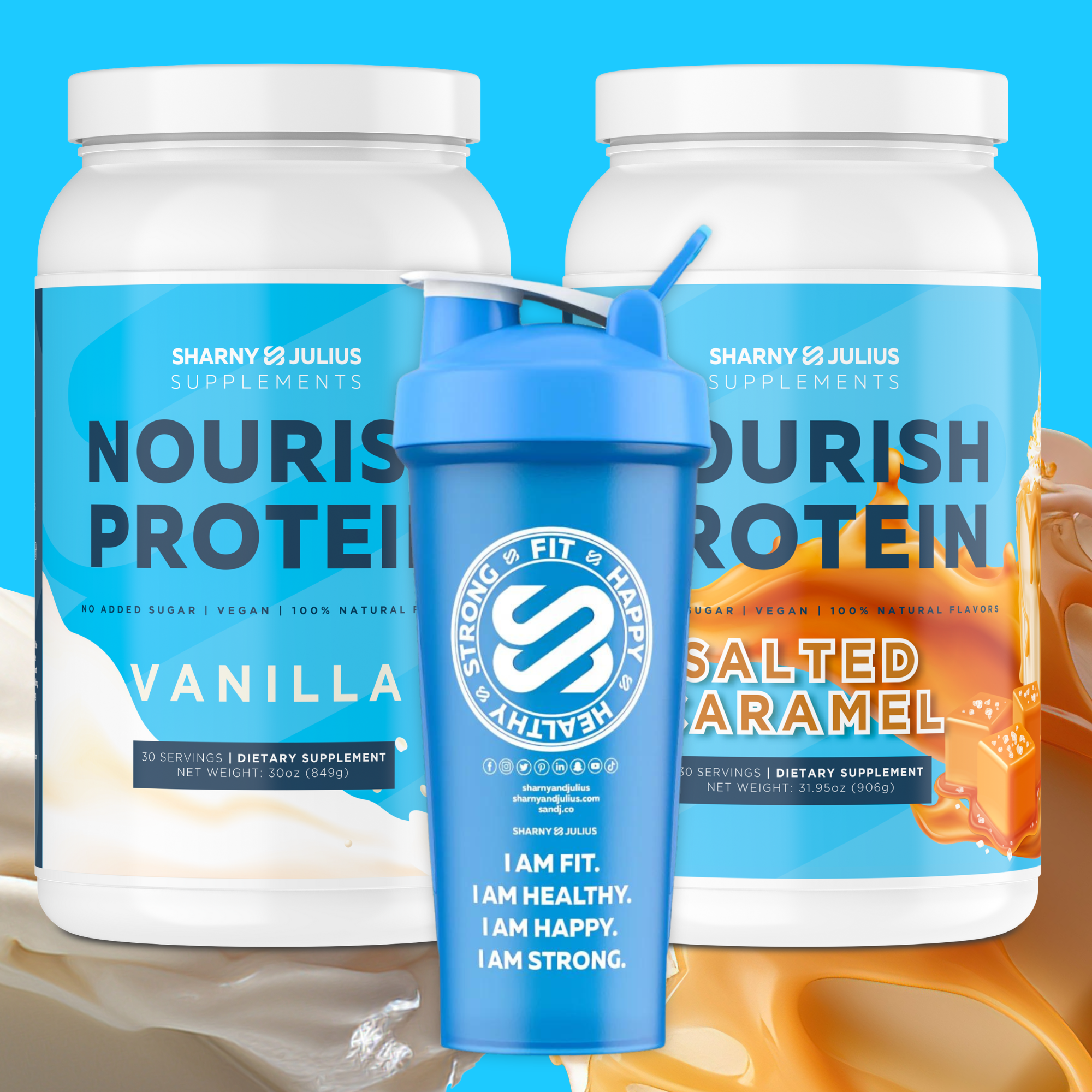
S&J Nourish™ Plant Protein
20g protein · All 9 EAAs · Free from all 9 allergens · NSF Certified
Why Protein Source Matters When Comparing Pea and Soy Protein
The key difference lies in what comes along with the protein. Soy contains isoflavones — plant compounds that can mimic estrogen in your body, potentially affecting hormone balance with regular consumption. Pea protein isolate delivers all nine essential amino acids without any hormonal interference, making it particularly important for women concerned about estrogen dominance or anyone wanting clean protein without biological complications. According to Harvard Health, soy isoflavones can have mild estrogenic effects, though research on long-term implications remains mixed. Beyond hormones, soy is one of the top eight allergens, while pea protein is naturally hypoallergenic. This matters because digestive irritation from allergens can interfere with protein absorption and muscle recovery. Pea protein also triggers satiety hormones more effectively, helping stabilize blood sugar and reduce cravings — a bonus that goes beyond just muscle building to support overall metabolic health.
What to Look for in a Plant Protein When Comparing Pea and Soy
Here's how to choose the right protein for your goals: 1. Check the amino acid profile — Look for "complete" proteins with all nine essential amino acids, particularly strong BCAA ratios for muscle building 2. Consider hormonal sensitivity — If you have PCOS, thyroid issues, or hormone imbalances, pea protein avoids the phytoestrogen concerns of soy 3. Evaluate allergen status — Pea protein is naturally free from dairy, gluten, soy, and other major allergens that cause bloating and digestive issues 4. Demand third-party testing — Choose NSF certified products where every batch is independently tested for purity and banned substances 5. Prioritize digestibility — Quality pea protein isolates like our S&J Nourish™ deliver 20g complete protein with zero bloating reported by 97% of customers, plus they mix instantly with just water and taste like melted vanilla ice cream rather than chalky supplement powder.
Plant Protein Comparison FAQ
Does soy protein affect hormones?
Yes, soy protein contains isoflavones that can have mild estrogenic effects in the body. While research shows mixed results on long-term impact, people with hormone sensitivities often experience better results with pea protein, which contains no phytoestrogens.
Is pea protein better than soy for women?
Generally yes, especially for women with PCOS, thyroid issues, or estrogen dominance concerns. Pea protein provides complete amino acids without hormonal interference, plus it's less likely to cause digestive issues that can affect nutrient absorption.
Which plant protein has the most amino acids?
Both pea and soy proteins are complete, containing all nine essential amino acids. However, high-quality pea protein isolates often have superior BCAA ratios that match or exceed whey protein for muscle building without the allergen concerns.
Find Your Protein
If you want complete amino acids without hormonal concerns or allergen issues, pea protein is your answer. Our Nourish™ delivers 20g of pea protein isolate with all nine essential amino acids, NSF certification for purity, and zero bloating — available in Vanilla and Salted Caramel flavors that taste better than whey.
Shop Nourish