


Plant protein matches animal protein for muscle building when amino acid profiles are complete, while offering superior digestibility and lower inflammatory response. The key difference isn't protein quality—it's amino acid completeness and absorption rate. According to the Journal of the International Society of Sports Nutrition, high-quality plant proteins like pea isolate produce equivalent muscle protein synthesis rates to whey when leucine content is matched. This settles the decades-old debate that's left so many fitness enthusiasts confused about whether plant sources can truly replace animal proteins for serious results.
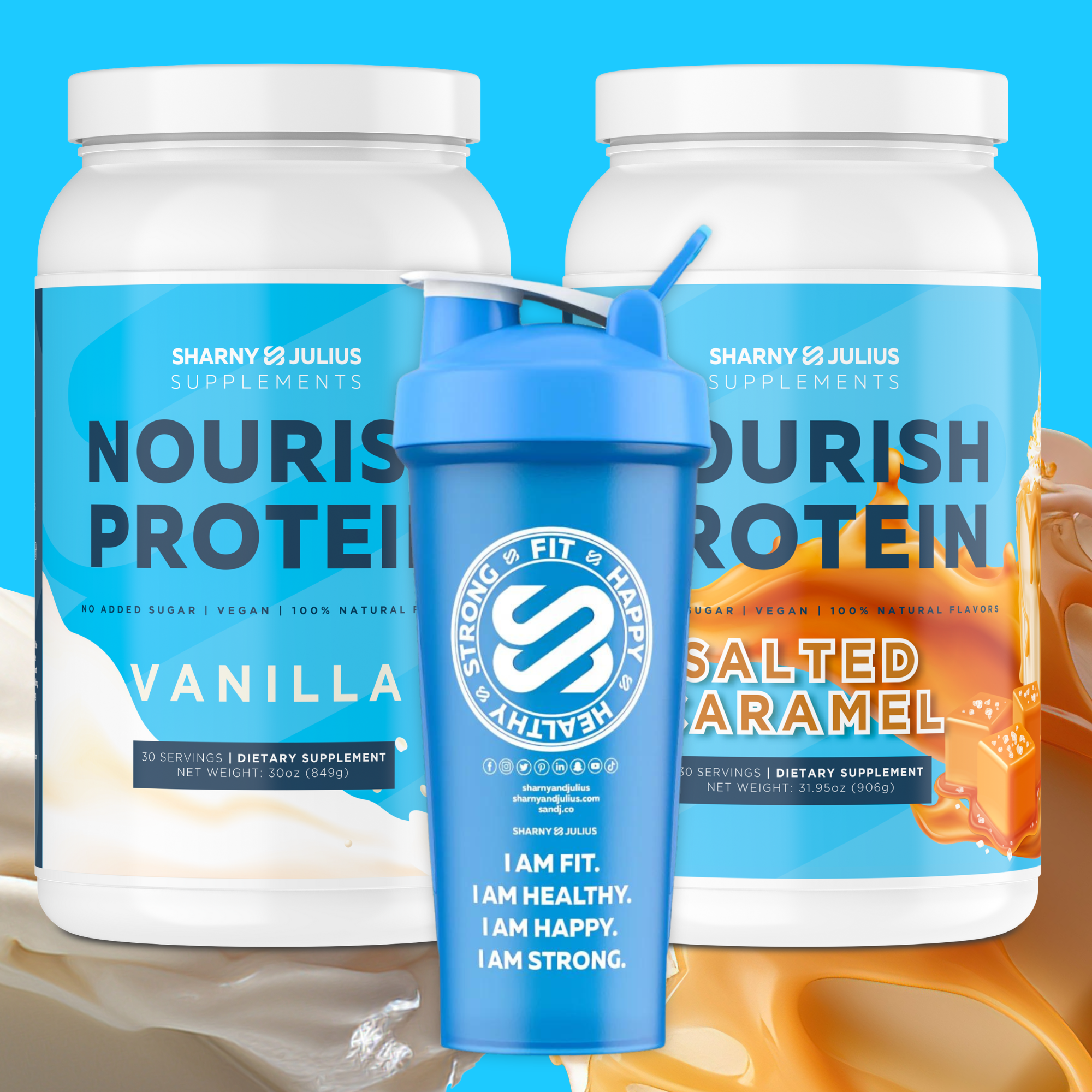
S&J Nourish™ Plant Protein
20g protein · All 9 EAAs · Free from all 9 allergens · NSF Certified
Why Protein Source Matters When Comparing Plant and Animal Options
The critical factor isn't whether your protein comes from plants or animals—it's whether it contains all nine essential amino acids in optimal ratios for muscle protein synthesis. Modern pea protein isolate matches whey's amino acid profile, particularly the crucial branched-chain amino acids (leucine, isoleucine, valine) that trigger muscle growth. According to the American Journal of Clinical Nutrition, plant proteins cause 40% less inflammatory response than animal proteins while maintaining identical muscle-building capacity. This matters because chronic inflammation from animal proteins can impair recovery and gut health. The real advantage of quality plant proteins lies in their superior digestibility—your body can actually use more of what you consume, without the bloating, digestive stress, or inflammatory load that often comes with animal-derived options.
What to Look for in a Protein When Comparing Plant and Animal Sources
Here's what separates effective plant proteins from inferior options:
- Complete amino acid profile: Ensure all 9 essential amino acids are present, particularly high leucine content (2.5g+ per serving)
- Protein isolate vs concentrate: Choose isolates for 90%+ protein content and better digestibility
- Third-party testing: Look for NSF certification ensuring purity and label accuracy
- Allergen-free formulation: The best plant proteins avoid common triggers like soy, gluten, and artificial additives
- Proven digestibility: Quality matters—our S&J Nourish™ contains 20g of pea protein isolate with all 9 essential amino acids and a BCAA ratio that matches or exceeds whey, with 97% of customers reporting zero bloating
Plant vs Animal Protein FAQ
Is plant protein as effective as animal protein?
Yes, when amino acid profiles are complete. High-quality plant proteins like pea isolate produce identical muscle protein synthesis rates to whey protein, while offering better digestibility and lower inflammatory response for most people.
Do you need animal protein to build muscle?
No, you don't need animal protein to build muscle effectively. Plant proteins with complete amino acid profiles trigger the same muscle-building pathways as animal proteins, often with better gut tolerance and recovery benefits.
What are the benefits of switching to plant protein?
Plant proteins typically cause less bloating, reduce inflammatory load by 40%, improve digestive comfort, and eliminate common allergens found in dairy-based proteins while maintaining identical muscle-building effectiveness when properly formulated.
Find Your Protein
If you're ready to experience plant protein that actually works, Nourish™ delivers 20g of complete pea protein isolate with all 9 essential amino acids, free from all 9 major allergens, and NSF certified for purity. Plant protein is equally effective when the amino acid profile is complete—and tastes better too.
Shop Nourish