


Protein powder can support postpartum depression recovery by providing amino acid precursors to serotonin and dopamine, two neurotransmitters commonly depleted during PPD. You're smart to research this connection — the link between protein intake and mood regulation is well-established, yet rarely discussed in postpartum nutrition advice. According to the American College of Obstetricians and Gynecologists, postpartum depression affects up to 20% of new mothers, yet nutritional support remains underutilized as a complementary approach. The challenge isn't just getting enough protein — it's finding a form that's gentle on your digestive system, free from allergens that might affect breastfeeding, and actually tastes good enough to consume daily when your appetite and energy are already compromised.
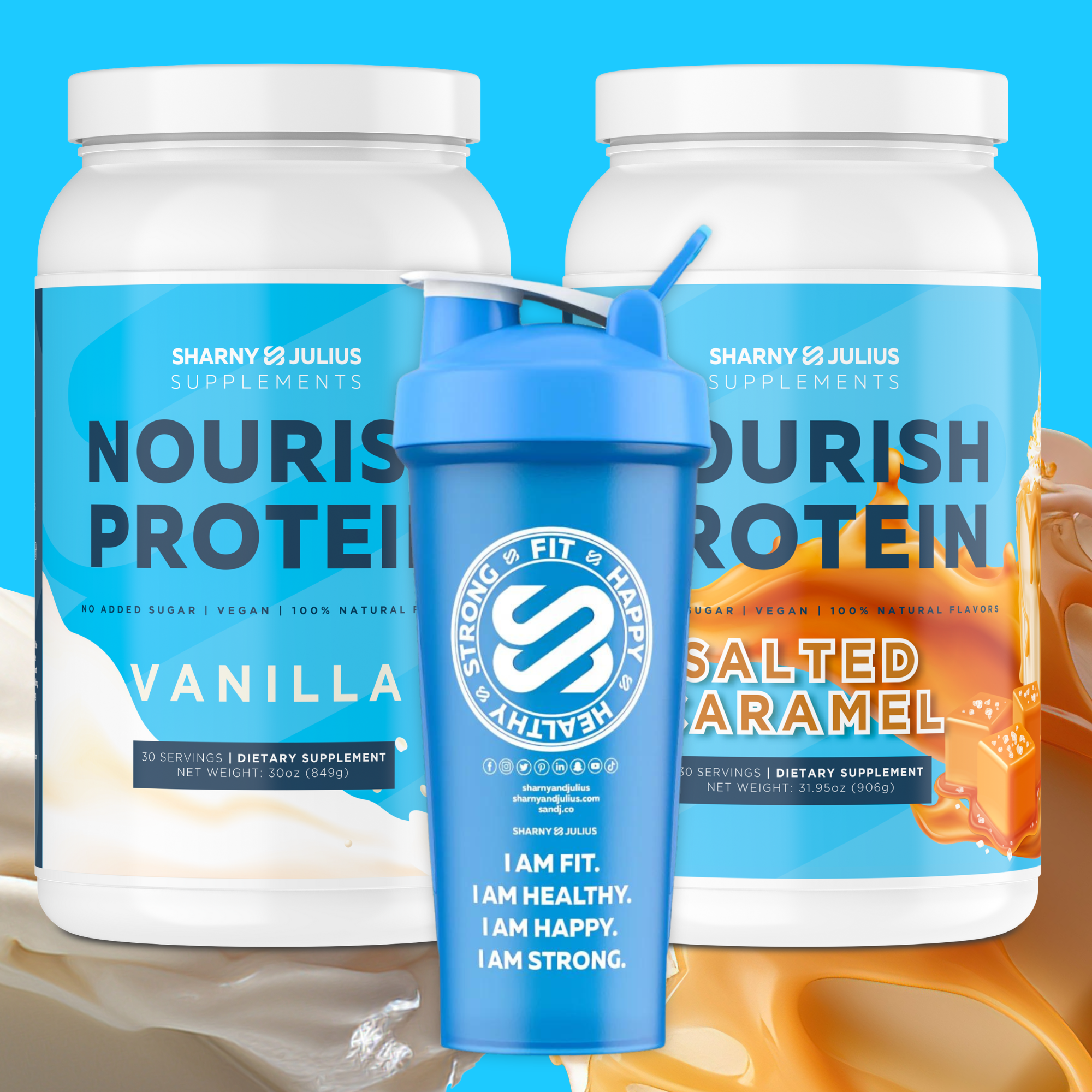
S&J Nourish™ Plant Protein
20g protein · All 9 EAAs · Free from all 9 allergens · NSF Certified
Why Protein Matters for Postpartum Depression Recovery
Your brain needs specific amino acids to manufacture serotonin and dopamine — the neurotransmitters responsible for mood stability, motivation, and emotional regulation. During postpartum depression, these neurotransmitter levels often drop significantly. Tryptophan converts to serotonin, while tyrosine becomes dopamine, but your body can't produce these essential amino acids on its own. According to research published in the Journal of Psychiatric Research, women with postpartum depression show significantly lower levels of tryptophan compared to those without PPD. This creates a cycle: depression reduces appetite and meal planning capacity, leading to inadequate protein intake, which further depletes the amino acids needed for neurotransmitter production. A complete protein powder breaks this cycle by providing all nine essential amino acids in an easily absorbed form, supporting your brain's ability to manufacture the chemicals needed for mood recovery while requiring minimal preparation effort.
What to Look for in a Protein for Postpartum Depression Support
1. Complete amino acid profile: Choose a protein with all nine essential amino acids, particularly high levels of tryptophan and tyrosine for neurotransmitter production.
2. Allergen-free formula: Avoid proteins with dairy, gluten, or soy that might trigger digestive issues or affect breastfeeding.
3. Easy digestibility: Your stomach is already sensitive — look for proteins that don't cause bloating or nausea.
4. Independent testing: NSF certification ensures purity and accurate labeling, crucial when breastfeeding.
5. Effortless preparation: Choose something that mixes instantly with just water — no blender, no lumps, no extra cleanup.
S&J's S&J Nourish™ plant-based protein delivers 20g of pea protein isolate with all nine essential amino acids and a strong BCAA ratio that matches or exceeds whey. It's free from all nine major allergens, NSF certified for purity, and 97% of customers report zero bloating. Available in Vanilla and Salted Caramel flavors.
Postpartum Depression Nutrition FAQ
Can nutrition help postpartum depression?
Yes, proper nutrition can significantly support postpartum depression recovery by providing amino acids needed for neurotransmitter production. While not a replacement for professional treatment, adequate protein intake helps your brain manufacture serotonin and dopamine, which are often depleted during PPD.
What should I eat with postpartum depression?
Focus on complete proteins, omega-3 fatty acids, and complex carbohydrates to support neurotransmitter production and blood sugar stability. Protein shakes can provide baseline nutrition when cooking feels overwhelming, ensuring you get essential amino acids even on difficult days.
Does protein affect mood after pregnancy?
Absolutely — protein provides amino acid precursors to serotonin and dopamine, neurotransmitters crucial for mood regulation. Low protein intake can worsen postpartum depression symptoms by limiting your brain's ability to produce these mood-stabilizing chemicals naturally.
Find Your Protein
Recovering from postpartum depression requires gentle, consistent nutritional support that doesn't add stress to your day. Nourish™ provides 20g of complete protein with all nine essential amino acids, free from all major allergens, NSF certified, and zero bloating — supporting the neurotransmitter production your brain needs for mood recovery.
Shop Nourish