


Yes, protein powder can be safe for SIBO when you choose a low-fermentation option like pea protein isolate that won't feed bacterial overgrowth. Managing SIBO while maintaining adequate protein intake feels like walking a nutritional tightrope — you need the protein for healing and muscle maintenance, but many powders contain ingredients that can worsen symptoms. According to the American Journal of Gastroenterology, up to 84% of IBS patients have SIBO, making protein selection crucial for millions dealing with digestive sensitivity. The key is finding a clean, isolated protein that provides complete amino acids without the fermentable substrates that fuel small intestinal bacterial overgrowth.
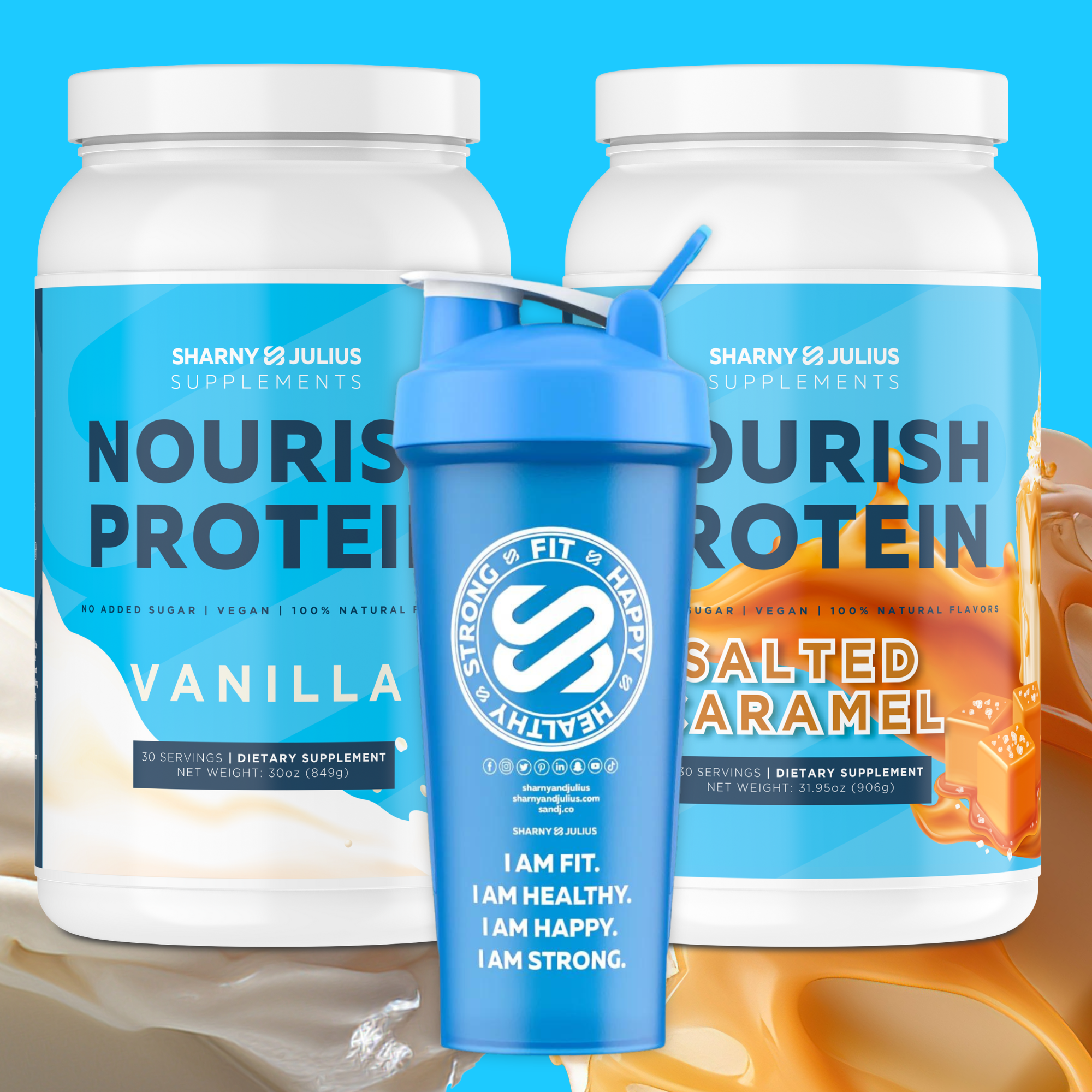
S&J Nourish™ Plant Protein
20g protein · All 9 EAAs · Free from all 9 allergens · NSF Certified
Why Gut Health Matters with SIBO
SIBO occurs when bacteria migrate from the large intestine into the small intestine, where they ferment carbohydrates and create uncomfortable symptoms like bloating, gas, and digestive distress. Most protein powders contain hidden fermentable ingredients — lactose in whey, oligosaccharides in plant blends, or artificial fibers that act as prebiotics. Pea protein isolate is uniquely beneficial because the isolation process removes virtually all carbohydrates, leaving behind pure protein that won't feed SIBO-causing bacteria. According to research published in Gastroenterology Research and Practice, patients following low-fermentation diets showed significant symptom improvement within 2-4 weeks. Unlike whole pea protein or protein blends, pea isolate provides all 9 essential amino acids with minimal residual carbohydrates, allowing you to nourish your body while starving problematic bacteria.
What to Look for in a Protein with SIBO
1. Choose isolated proteins over concentrates — isolates have carbohydrates stripped away, reducing fermentation potential. 2. Avoid common SIBO triggers — dairy, soy, artificial sweeteners, gums, and fibers can all feed bacterial overgrowth. 3. Check for complete amino profiles — you need all 9 essential amino acids for proper healing and muscle maintenance. 4. Prioritize third-party testing — NSF certification ensures what's on the label matches what's in the powder. 5. Start with proven formulas — S&J Nourish™ provides 20g of pea protein isolate with all 9 essential amino acids, free from all 9 major allergens including dairy, gluten, and soy. With zero artificial sweeteners, gums, or fillers, it's specifically designed for sensitive stomachs — 97% of customers report zero bloating, making it ideal for SIBO management.
Gut Health with SIBO FAQ
Can I use protein powder with SIBO?
Yes, you can use protein powder with SIBO if you choose the right type. Pea protein isolate is one of the safest options because it's virtually carbohydrate-free and won't feed bacterial overgrowth, unlike whey or plant blends that contain fermentable substrates.
What protein won't feed SIBO bacteria?
Pea protein isolate and other isolated proteins won't feed SIBO bacteria because they contain minimal fermentable carbohydrates. The isolation process removes the oligosaccharides and fibers that bacteria ferment, leaving pure protein that nourishes you without worsening symptoms.
Is pea protein low FODMAP enough for SIBO?
Yes, pea protein isolate is considered low FODMAP and SIBO-friendly when properly isolated. Unlike whole pea protein, the isolate form has the fermentable carbohydrates removed, making it safe for most people following SIBO dietary protocols.
Find Your Protein
Managing SIBO doesn't mean compromising on nutrition. Nourish™ delivers 20g of complete pea protein isolate with all 9 essential amino acids, free from all 9 major allergens, NSF certified for purity, with zero bloating reported by 97% of customers. Always consult your gastroenterologist for SIBO-specific protocols and start with small servings to assess tolerance.
Shop Nourish