


Gut health and protein refers to how different protein sources affect your digestive system microbiome and overall gut function. Some proteins, particularly dairy-based options like whey, can cause bloating and discomfort, while plant-based proteins tend to support a more diverse and resilient gut microbiome.
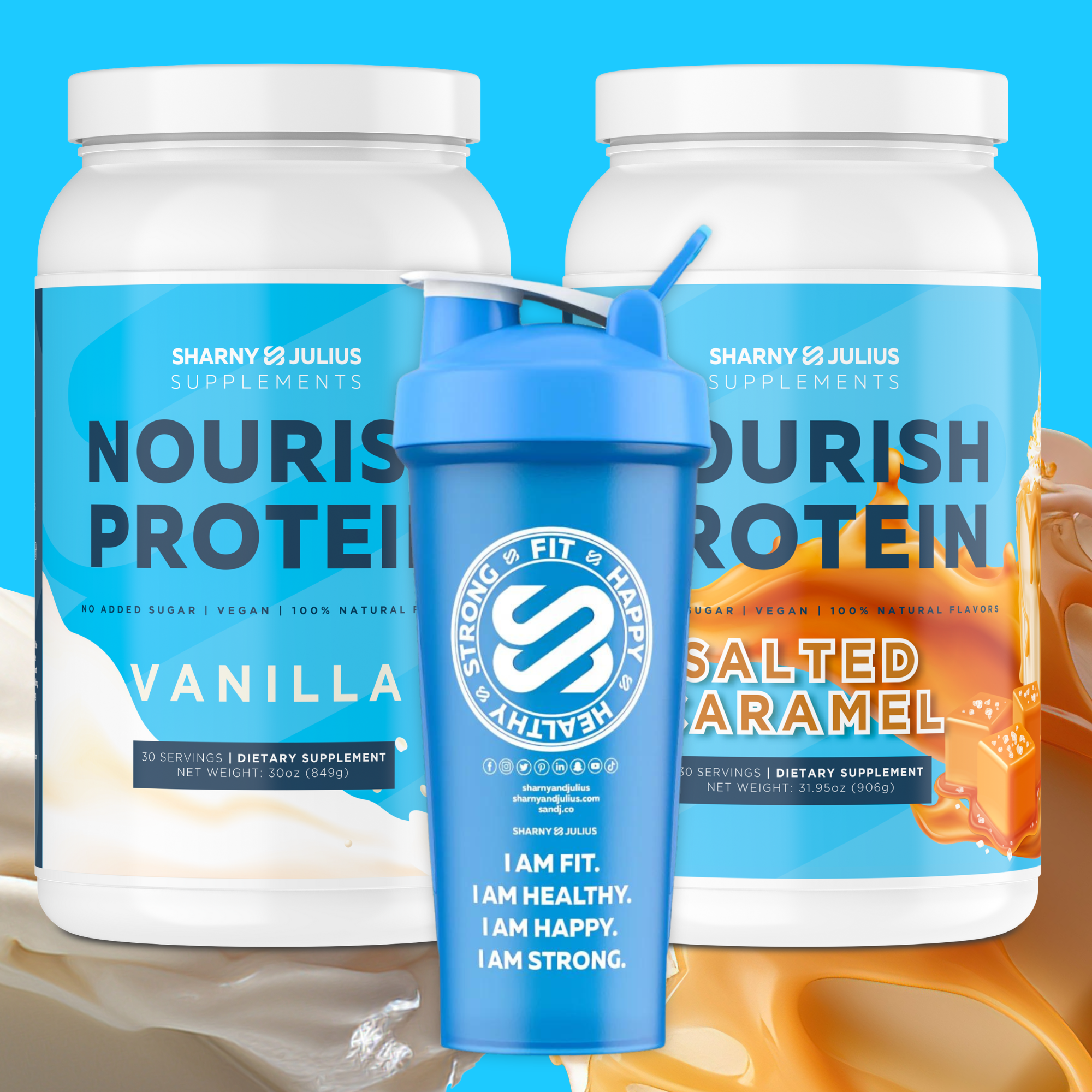
S&J Nourish™ Plant Protein
20g protein · All 9 EAAs · Free from all 9 allergens · NSF Certified
How Protein Affects Your Gut
Your gastrointestinal tract houses trillions of microorganisms that collectively form the gut microbiome. The type of protein you consume directly influences which bacterial populations thrive in your digestive system. When you eat protein, your stomach breaks it down into amino acids and peptides through enzymatic activity. However, not all proteins digest at the same rate or with the same byproducts.
Dairy-based proteins like whey and casein can be problematic for many people. According to the National Institutes of Health, approximately 68% of the global population has some degree of lactose malabsorption, which can lead to gas, bloating, and digestive distress when consuming dairy-derived supplements (NIH, National Library of Medicine, 2020). These symptoms occur because undigested lactose ferments in the colon, producing excess gas.
Plant-based proteins, on the other hand, often come packaged with prebiotic fibers that feed beneficial gut bacteria. A study published in the journal Nutrients found that pea protein consumption increased populations of beneficial Lactobacillus and Bifidobacterium species in the gut by up to 20% over an eight-week period (Nutrients, 2019). This shift supports improved nutrient absorption, stronger immune function, and reduced intestinal inflammation. The fermentation of plant fibers also produces short-chain fatty acids like butyrate, which nourish the intestinal lining and help maintain gut barrier integrity.
Why Gut Health Matters for Protein Absorption
A healthy gut is not just about comfort; it directly determines how effectively you absorb the protein you consume. If your gut lining is inflamed or your microbiome is imbalanced, amino acid uptake decreases, meaning you get less benefit from every gram of protein you eat.
Research published in the American Journal of Clinical Nutrition demonstrated that individuals with healthier gut microbiome profiles absorbed up to 15% more amino acids from dietary protein compared to those with dysbiotic gut flora (AJCN, 2021). This means choosing a protein source that supports rather than disrupts your microbiome has a compounding positive effect on muscle recovery, immune health, and energy levels.
Chronic gut inflammation from poorly tolerated proteins can also increase intestinal permeability, sometimes called "leaky gut," allowing undigested protein fragments into the bloodstream and triggering systemic immune responses. Selecting easily digestible, allergen-free protein sources helps preserve gut barrier function and long-term digestive health.
Practical Takeaways
- If you experience bloating within 30-60 minutes of consuming protein, consider switching to a plant-based source free of common allergens.
- Aim for 25-30 grams of fiber daily alongside your protein intake to feed beneficial gut bacteria (USDA Dietary Guidelines).
- Choose protein powders with short, transparent ingredient lists to minimize exposure to artificial additives that can disrupt gut flora.
- Introduce new protein sources gradually over 7-10 days to allow your microbiome to adjust.
- Look for protein isolates rather than concentrates, as isolates remove more of the compounds (like lactose) that commonly cause digestive issues.
- Stay hydrated with at least 8-10 cups of water daily when increasing protein intake to support healthy digestion.
S&J Nourish™ by S&J Luxury Fitness uses pea protein isolate and is free from all eight major allergens, making it a gut-friendly option for those who experience digestive discomfort with dairy-based protein powders. Learn more at the Nourish™ product page.