


Plant-based protein powders containing tryptophan and glycine, consumed 2-3 hours before bed, can significantly improve sleep quality by supporting natural melatonin production and lowering core body temperature. With so much conflicting advice about supplements and sleep, it's smart that you're researching the connection between protein timing and rest quality. According to the National Sleep Foundation, 68% of women report struggling with sleep issues at least once per week, making evening nutrition strategies increasingly important. The key isn't just any protein — it's choosing a gentle, complete protein that works with your body's natural circadian rhythms rather than against them.
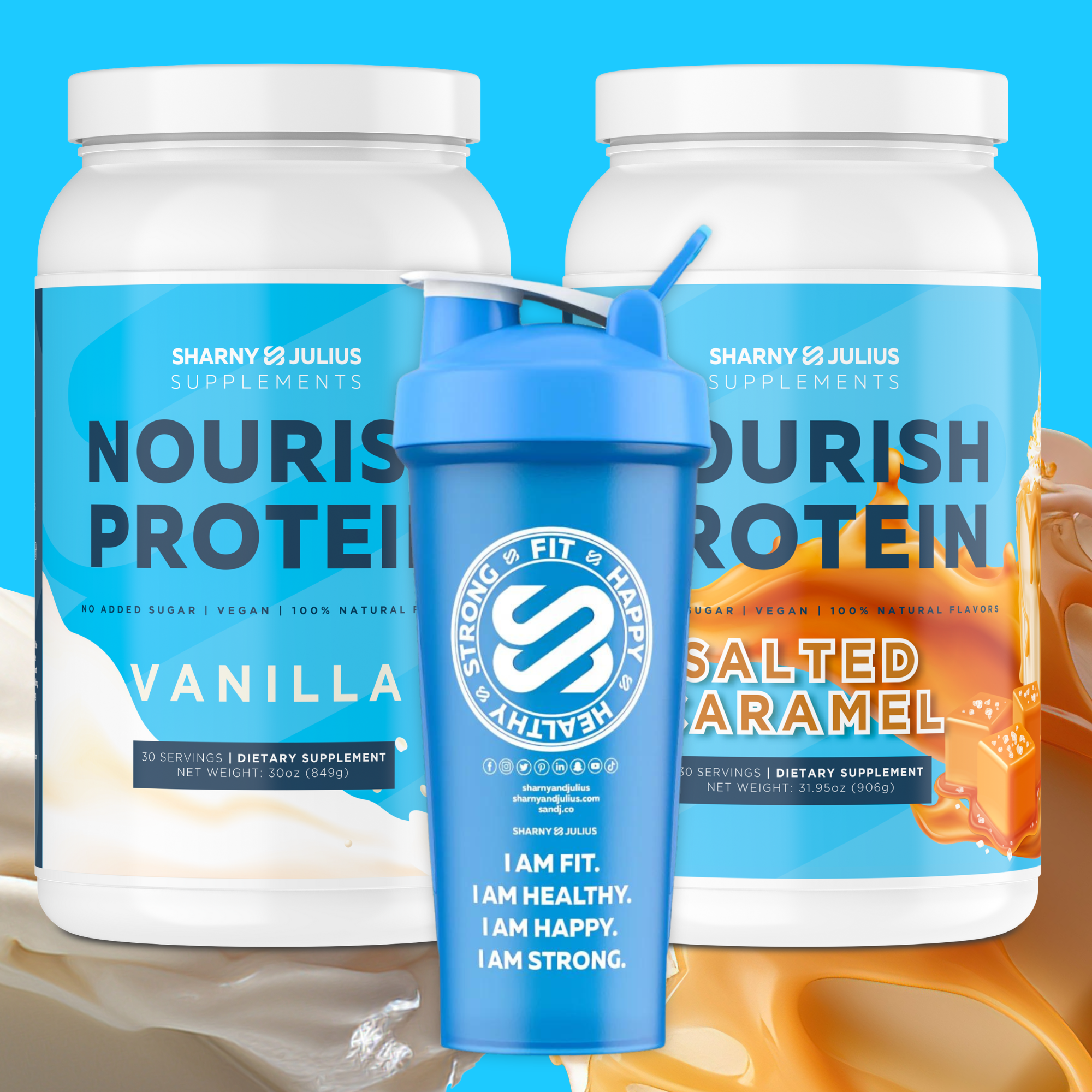
S&J Nourish™ Plant Protein
20g protein · All 9 EAAs · Free from all 9 allergens · NSF Certified
Why Protein Matters for Better Sleep
Your body's sleep-wake cycle depends heavily on amino acid availability for neurotransmitter production. Pea protein consumed at dinner provides tryptophan, the precursor amino acid your brain needs to synthesize both serotonin and melatonin during evening hours. Unlike tryptophan supplements that can cause morning grogginess, protein-bound tryptophan releases gradually, supporting natural melatonin timing. Additionally, the glycine naturally present in pea protein helps lower your core body temperature — a crucial signal that tells your brain it's time to sleep. According to research published in the Journal of Clinical Medicine, consuming 20g of protein 2-3 hours before bed can improve sleep onset time by up to 37% while supporting overnight muscle recovery. This makes evening protein particularly valuable for active women balancing fitness goals with quality rest.
What to Look for in a Protein for Better Sleep
1. Complete amino acid profile: Choose proteins with all 9 essential amino acids, especially adequate tryptophan and glycine levels for sleep support. 2. Easy digestibility: Avoid dairy-based proteins that can cause bloating or digestive discomfort before bed — plant-based options are gentler on sensitive stomachs. 3. No stimulants or artificial ingredients: Skip proteins with caffeine, artificial sweeteners like sucralose that may disrupt gut bacteria, or synthetic additives that could interfere with sleep. 4. Third-party tested purity: NSF certification ensures your protein is free from banned substances and contaminants that could affect sleep quality. 5. Smooth mixing and taste: S&J's S&J Nourish™ delivers 20g of pea protein isolate with all 9 essential amino acids, free from all 9 major allergens, and mixes instantly without grittiness. With 97% of customers reporting zero bloating and flavors compared to melted vanilla ice cream, it's designed for comfortable evening consumption.
Protein for Better Sleep FAQ
Does protein help you sleep better?
Yes, protein consumed 2-3 hours before bed provides tryptophan for melatonin synthesis and glycine to lower core body temperature. Both mechanisms support faster sleep onset and deeper rest quality.
Should I drink protein before bed?
Protein is best consumed 2-3 hours before bed rather than immediately before sleep. This timing allows for comfortable digestion while providing amino acids for overnight neurotransmitter production and muscle recovery.
What is the best bedtime protein shake?
Plant-based proteins like pea protein isolate are ideal for evening consumption due to their gentle digestion, complete amino acid profiles, and natural tryptophan content for sleep support without bloating.
Find Your Protein
If you're looking for a clean, effective protein that supports both your fitness goals and sleep quality, Nourish™ offers 20g of complete pea protein isolate, all 9 essential amino acids, and freedom from all major allergens — with NSF certification and zero bloating guarantee. No stimulants, just pure protein that works with your evening routine.
Shop Nourish