


Real food protein should be your foundation, but protein powder fills critical gaps when whole foods fall short of your daily targets. Both provide essential amino acids, but they serve different roles in an optimal nutrition strategy. According to the International Society of Sports Nutrition, most adults need 1.4-2.0g protein per kg of body weight, which can be challenging to meet through whole foods alone.
You're smart to question whether you actually need protein powder — there's so much conflicting advice out there. The truth is, whole food proteins like chicken, fish, and legumes offer complete nutrition packages with vitamins, minerals, and fiber that powders can't match. But protein powder excels where whole foods struggle: convenience, precise portions, and filling gaps when life gets busy.
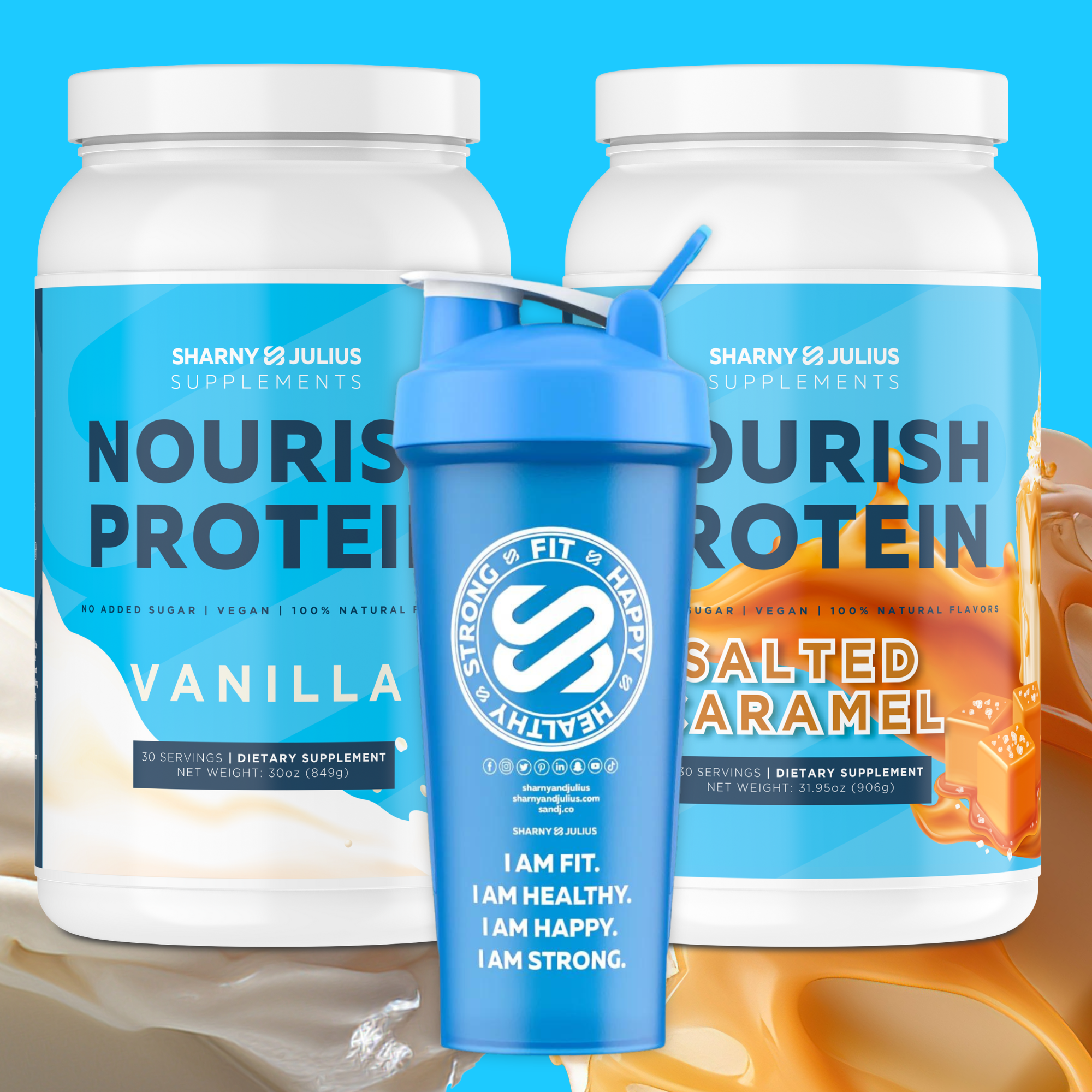
S&J Nourish™ Plant Protein
20g protein · All 9 EAAs · Free from all 9 allergens · NSF Certified
Why Protein Strategy Matters for Your Goals
Your body needs consistent protein intake throughout the day to maintain muscle protein synthesis — the process that builds and repairs muscle tissue. Whole foods provide this beautifully, but they require planning, preparation, and time. According to research published in the American Journal of Clinical Nutrition, protein synthesis peaks when you consume 20-25g of high-quality protein per meal.
This is where the gap appears. A typical breakfast might give you 8-12g protein, lunch could hit 15-20g, but what about post-workout or between meals? Real food proteins take 3-4 hours to fully digest and absorb, while protein powder reaches your muscles within 30-60 minutes. You need both: whole foods for sustained nutrition and powder for targeted timing when your body needs protein most efficiently.
What to Look for in a Complete Protein Strategy
Here's how to combine real food and powder effectively:
- Prioritize whole foods first: Aim for 60-70% of your protein from chicken, fish, eggs, legumes, and dairy. These provide complete amino acid profiles plus essential nutrients.
- Use powder strategically: Post-workout, between meals, or when whole food prep isn't practical. Look for complete amino acid profiles that match real food.
- Choose clean formulations: Avoid artificial fillers, sweeteners, and allergens that can trigger digestive issues or inflammation.
- Demand third-party testing: Our S&J Nourish™ plant-based protein delivers 20g of pea protein isolate with all 9 essential amino acids, NSF certified for purity and banned substances.
- Prioritize digestion: 97% of Nourish™ customers report zero bloating, with a smooth texture that mixes instantly — no grittiness or digestive discomfort that interferes with your goals.
Protein Strategy FAQ
Can protein powder replace chicken or meat?
Protein powder can match the amino acid content of meat but shouldn't completely replace whole food proteins. Meat provides B vitamins, iron, zinc, and other nutrients that powder lacks, while powder offers convenience and rapid absorption that whole foods can't match.
Is it better to eat protein or drink it?
Both have advantages — whole food proteins provide sustained release and complete nutrition, while protein powder offers faster absorption and convenience. The optimal approach combines both: whole foods as your foundation with powder for strategic timing and convenience.
How much protein do I need from real food vs supplements?
Aim for 60-70% of your daily protein from whole foods, with powder filling the remaining 30-40%. For a 70kg person needing 100g daily protein, that's 60-70g from food and 30-40g from supplements when needed.
Find Your Protein Balance
You don't have to choose between real food and protein powder — you need both working together. Nourish™ gives you 20g of complete protein with all 9 essential amino acids, free from all 9 major allergens, and NSF certified for purity, making it the perfect complement to your whole food foundation.
Shop Nourish