


Yes, protein shakes can be beneficial for high cholesterol when you choose plant-based options that contain zero dietary cholesterol and deliver heart-supportive amino acids. The key is understanding that not all protein powders are created equal when it comes to cardiovascular health. Traditional whey and casein proteins come from dairy sources that naturally contain cholesterol and saturated fats, while plant-based proteins like pea isolate provide complete amino acid profiles without any cholesterol-raising compounds. According to the American Heart Association, replacing animal protein sources with plant proteins can help reduce LDL cholesterol levels by 3-4% as part of a heart-healthy eating pattern. Smart of you to research this — with so much conflicting advice about supplements and heart health, it's crucial to understand which proteins actually support your cholesterol management goals.
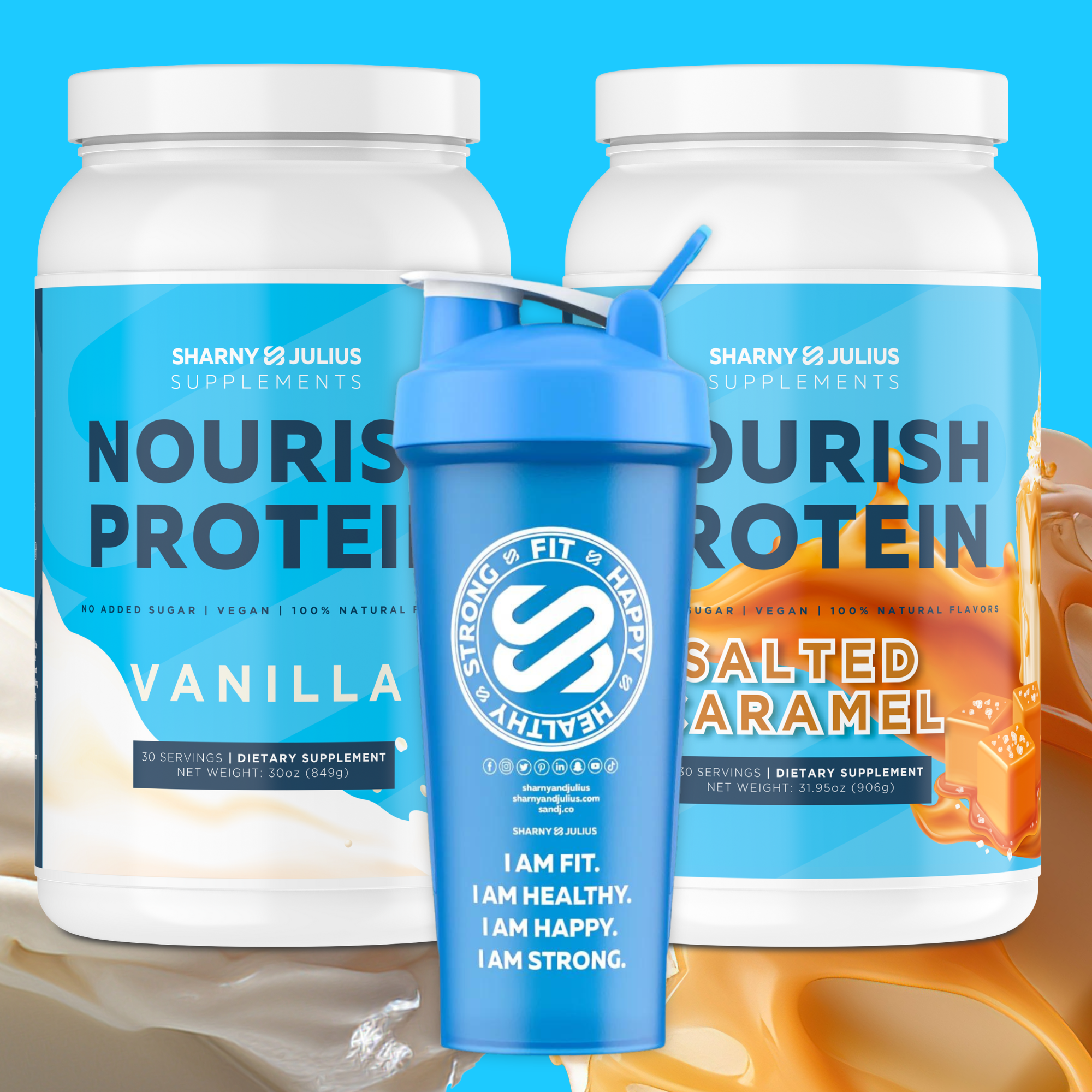
S&J Nourish™ Plant Protein
20g protein · All 9 EAAs · Free from all 9 allergens · NSF Certified
Why Heart Health Matters for Adults Managing High Cholesterol
When you're managing high cholesterol, every dietary choice impacts your cardiovascular system. Pea protein isolate offers unique advantages because it contains zero dietary cholesterol and saturated fat while delivering arginine-rich amino acids that support nitric oxide production and healthy arterial function. Arginine specifically helps blood vessels relax and maintain proper flow, which becomes increasingly important when cholesterol levels are elevated. According to the Journal of Nutrition, adults who replaced animal proteins with plant proteins experienced significant improvements in both LDL cholesterol and arterial flexibility within 6 weeks. This matters because managing cholesterol isn't just about cutting out harmful foods — it's about actively choosing ingredients that support your cardiovascular system. Plant-based proteins work double duty: they eliminate cholesterol-raising compounds while providing amino acids that actively support heart health. This biological mechanism makes your daily protein shake a strategic tool rather than just a convenient meal replacement.
What to Look for in a Protein for Adults Managing High Cholesterol
Here's what actually matters when choosing heart-healthy protein:
- Zero cholesterol content: Choose plant-based proteins like pea isolate that naturally contain no dietary cholesterol, unlike dairy-derived options.
- Complete amino acid profile: Ensure you're getting all 9 essential amino acids so you're not compromising protein quality for heart health.
- No artificial additives: Avoid artificial sweeteners and fillers that can trigger inflammation — a key factor in cardiovascular health.
- Clean manufacturing: Look for NSF certification ensuring every batch is independently tested for purity and label accuracy.
- Digestive compatibility: Choose options that won't cause bloating or digestive stress, which can interfere with consistent daily use.
Our S&J Nourish™ plant-based protein delivers 20g of pea protein isolate with all 9 essential amino acids and a strong BCAA ratio that matches or exceeds whey. It's free from all 9 major allergens, NSF certified, and 97% of customers report zero bloating — making it ideal for daily cholesterol management routines.
Heart Health and High Cholesterol FAQ
Can protein shakes raise your cholesterol?
Yes, protein shakes made from dairy sources can raise cholesterol because they contain dietary cholesterol and saturated fats. Whey and casein proteins naturally carry these cholesterol-raising compounds from milk. Plant-based protein shakes contain zero dietary cholesterol and can actually help lower LDL levels when used to replace animal protein sources.
Is plant protein better than whey for high cholesterol?
Yes, plant protein is significantly better than whey for high cholesterol management. Plant proteins contain zero dietary cholesterol and saturated fat, while whey contains both. Additionally, plant proteins provide arginine and other amino acids that actively support cardiovascular health and arterial function, making them therapeutic rather than just neutral.
How much protein should I eat if I have high cholesterol?
Adults with high cholesterol should aim for 0.8-1.2g of protein per kg of body weight daily, prioritizing plant sources. According to the National Cholesterol Education Program, replacing just 25g of animal protein daily with plant protein can reduce LDL cholesterol by 3-4% within weeks as part of a heart-healthy diet.
Find Your Protein
Managing high cholesterol requires smart protein choices that support rather than compromise your heart health. Nourish™ delivers 20g of complete plant-based protein with all 9 essential amino acids, zero dietary cholesterol, and no artificial additives — making it safe and beneficial for daily use alongside your cholesterol management plan. Available in Vanilla and Salted Caramel with a smooth, creamy texture that mixes instantly.
Shop Nourish