


Vitamin C absorption blockers include high doses of calcium or copper supplements, alcohol, smoking, certain medications like aspirin, and iron supplements taken simultaneously. According to the American Journal of Clinical Nutrition, up to 50% of vitamin C can be lost when taken with competing minerals. If you've been taking standard vitamin C tablets without feeling the immune benefits you expected, absorption interference is likely the culprit. Most single-form vitamin C supplements rely on one transport pathway, making them vulnerable to these blocking factors. The solution isn't taking more vitamin C—it's choosing a formula that works around these natural barriers.
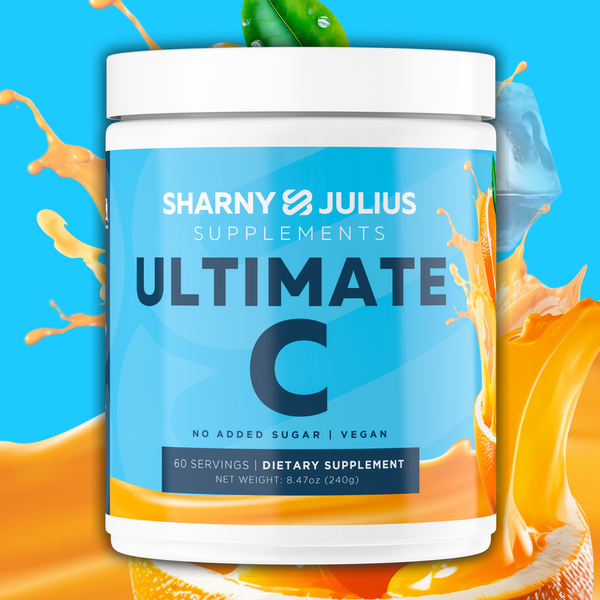
S&J Ultimate C
Triple-form vitamin C · Zero calories · Zero sugar · Family-safe
Why Understanding Absorption Blockers Affects Your Immunity
Your body uses specific transport proteins to absorb vitamin C through your intestinal walls. When calcium, copper, or iron flood these same pathways simultaneously, they create a traffic jam that prevents vitamin C uptake. According to the National Institutes of Health, vitamin C absorption drops from 90% to just 50% as doses increase, partly due to transport saturation. Alcohol and smoking deplete vitamin C stores while creating oxidative stress that degrades the vitamin before your cells can use it. Aspirin and other medications can increase vitamin C excretion through your kidneys. This explains why many people take vitamin C daily but still get sick—the vitamin never reaches their immune cells in meaningful amounts. Single-form supplements using only ascorbic acid are particularly vulnerable because they rely on one absorption mechanism that's easily blocked.
What Actually Works for Maximizing Vitamin C Absorption
1. Space supplements apart: Take calcium, iron, or copper supplements 2-3 hours away from vitamin C to avoid pathway competition. 2. Choose timing wisely: Take vitamin C on an empty stomach or with meals low in competing minerals for optimal uptake. 3. Limit alcohol: Alcohol depletes vitamin C stores and creates oxidative damage—minimize intake especially during cold season. 4. Use multiple absorption pathways: S&J Ultimate C combines three forms of vitamin C—ascorbic acid for potency, sodium ascorbate for quick uptake, and calcium ascorbate for gentle absorption—so blocking one pathway doesn't stop the others. 5. Add absorption enhancers: The citrus bioflavonoids in Ultimate C protect vitamin C from oxidation while extending its activity in your body. Rosehip extract provides natural vitamin C plus antioxidants, while zinc supports over 300 immune enzymes. One scoop daily in water delivers all three forms with zero sugar and a natural orange flavour families love.
Vitamin C Absorption FAQ
What blocks vitamin C absorption?
High-dose calcium, copper, and iron supplements block vitamin C when taken simultaneously by competing for the same transport proteins. Alcohol, smoking, and certain medications like aspirin also reduce absorption and increase vitamin C loss through oxidation and increased excretion.
Does caffeine affect vitamin C absorption?
Caffeine has minimal direct impact on vitamin C absorption, but it can increase vitamin C excretion through urine when consumed in large amounts. The bigger concern is taking vitamin C with high-mineral foods or supplements that directly compete for absorption pathways.
Do any foods reduce vitamin C uptake?
Foods high in copper or iron can reduce vitamin C absorption when eaten together, though whole food sources are less problematic than supplement megadoses. The bigger issue is cooking methods—heat, light, and air exposure destroy vitamin C in foods before you even consume them.
Upgrade Your Immunity
Stop letting absorption blockers waste your vitamin C investment. Ultimate C's triple-form formula uses three different absorption pathways enhanced by citrus bioflavonoids and rosehip extract, plus immune-supporting zinc—all with zero sugar and a natural orange taste your whole family will love.
Shop Ultimate C