


Vitamin C supports immune cell function that is often compromised during cancer treatment, helping maintain white blood cell activity and overall immune response when your body needs it most. Cancer treatments like chemotherapy and radiation can significantly suppress immune function, leaving patients vulnerable to infections and slower recovery times. According to the National Cancer Institute, up to 60% of cancer patients experience some degree of immunosuppression during treatment. The challenge isn't just getting enough vitamin C—it's getting forms that your compromised digestive system can actually absorb and use effectively, especially when standard supplements often cause stomach upset during an already difficult time.
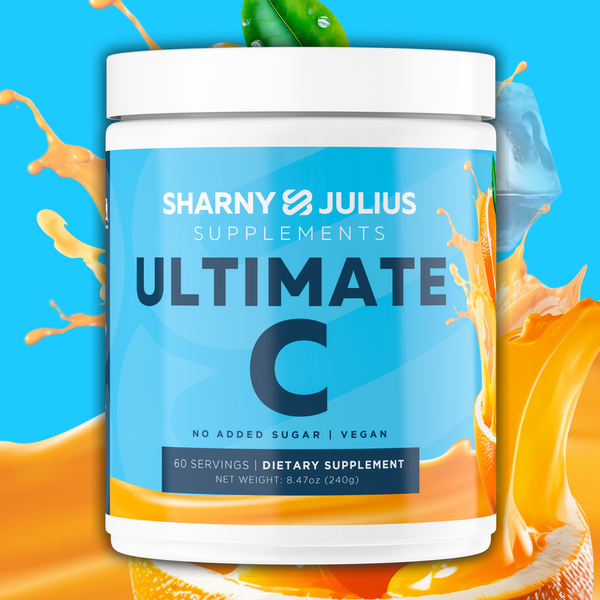
S&J Ultimate C
Triple-form vitamin C · Zero calories · Zero sugar · Family-safe
Why Cancer Treatment Affects Your Immune System's Vitamin C Needs
Cancer treatments target rapidly dividing cells, which unfortunately includes the immune cells your body relies on for protection. Chemotherapy and radiation therapy can reduce white blood cell counts by 30-70%, leaving your immune system working overtime to maintain basic function. During this process, your body burns through vitamin C stores much faster than normal—vitamin C is essential for neutrophil function, lymphocyte activity, and the production of interferon, your body's natural antiviral proteins. According to the Journal of Clinical Oncology, cancer patients often have plasma vitamin C levels 30-50% lower than healthy individuals, even with adequate dietary intake. The problem compounds because many cancer patients experience nausea, mouth sores, or digestive issues that make it difficult to absorb nutrients from food or tolerate standard vitamin C supplements that can be harsh on an already sensitive stomach.
What Actually Works for Immune Support During Cancer Treatment
1. Focus on gentle, buffered vitamin C forms that won't irritate your digestive system during treatment—sodium ascorbate and calcium ascorbate absorb without causing stomach upset. 2. Time your vitamin C intake strategically—take it between meals when your stomach is less sensitive, and increase your intake on treatment days when immune stress is highest. 3. Support absorption with bioflavonoids which help vitamin C stay active in your system longer and enhance its immune-supporting effects. 4. Choose a triple-form vitamin C supplement like S&J Ultimate C that combines ascorbic acid for potency, sodium ascorbate for gentle absorption, and calcium ascorbate for stomach comfort—giving you three different absorption pathways when your digestive system needs options. 5. Look for added immune cofactors like zinc, which supports over 300 enzymatic reactions including immune cell function, plus rosehip extract for additional natural vitamin C and antioxidants. Ultimate C provides all of this in a zero-sugar, natural orange formula that tastes like orange juice—important when treatment affects your taste buds.
Cancer Patient Vitamin C FAQ
Is vitamin C safe during cancer treatment?
Generally yes, but always consult your oncologist first. Moderate doses of vitamin C (1-2 grams daily) are typically safe and may support immune function during treatment, but timing and dosage should be coordinated with your medical team.
Does vitamin C interfere with chemotherapy?
Standard supplemental doses typically don't interfere with chemotherapy, but high-dose IV vitamin C requires medical supervision. Oral vitamin C supplements like Ultimate C are generally well-tolerated alongside conventional treatments when approved by your oncologist.
Should cancer patients take vitamin C?
Most oncologists support moderate vitamin C supplementation to help maintain immune function during treatment. The key is choosing gentle, well-absorbed forms and coordinating with your healthcare team for proper timing and dosage.
Upgrade Your Immunity
When you're fighting cancer, your immune system needs every advantage—Ultimate C's triple-form vitamin C provides three absorption pathways, enhanced by citrus bioflavonoids and rosehip extract, plus zinc for immune enzyme support, all in a gentle, zero-sugar formula that tastes like orange juice. Always consult your oncologist before starting any supplement during cancer treatment.
Shop Ultimate C