


Vitamin C generally has minimal medication interactions, but high doses above 1000mg can enhance iron absorption from blood thinners and may interfere with certain chemotherapy drugs. Most people taking prescription medications can safely supplement with vitamin C, though timing matters with specific drugs like tetracycline antibiotics and warfarin. The key is understanding which medications require spacing and which combinations to avoid entirely. Many people avoid vitamin C supplements altogether when taking medications, missing out on crucial immune support when they need it most during treatment periods.
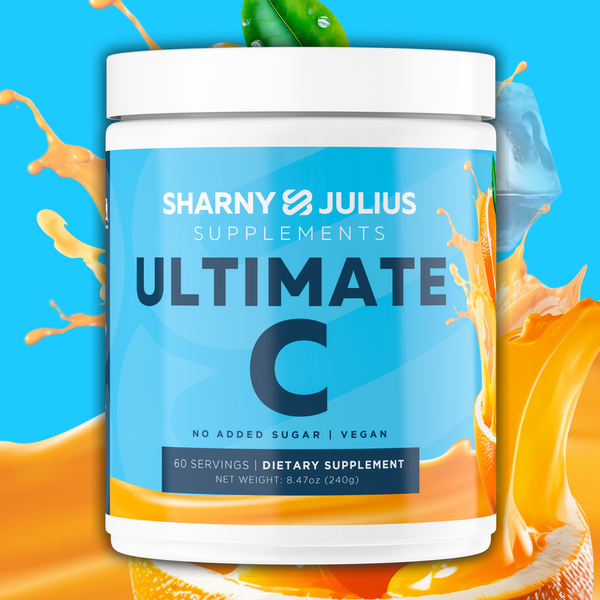
S&J Ultimate C
Triple-form vitamin C · Zero calories · Zero sugar · Family-safe
Why Checking Vitamin C Interactions Affects Your Immunity
When you're taking prescription medications, your body is already working harder to process these compounds, often depleting your natural vitamin C stores in the process. According to the Journal of the American College of Nutrition, people taking long-term medications have 23% lower vitamin C levels than healthy individuals. The challenge isn't just about interactions—it's about getting immune support when your body needs it most. High-dose single-form vitamin C (typically just ascorbic acid) can cause stomach upset, especially when combined with medications, leading many people to skip supplementation entirely. This creates a cycle where medication-dependent individuals, who often have compromised immune systems, avoid the very nutrient that could support their recovery and overall health. The solution lies in understanding safe dosing, proper timing, and choosing vitamin C forms that work with your medications rather than against them.
What Actually Works for Safe Vitamin C Supplementation
1. Time your doses properly — Take vitamin C at least 2 hours apart from tetracycline antibiotics, blood thinners like warfarin, and iron supplements to prevent absorption interference. 2. Choose buffered forms — Sodium ascorbate and calcium ascorbate are gentler on your stomach than pure ascorbic acid, especially important when taking multiple medications. 3. Start with moderate doses — Begin with 500-1000mg daily rather than megadoses to assess how your body responds alongside your current medications. 4. Enhance absorption naturally — S&J Ultimate C combines three vitamin C forms (ascorbic acid for potency, sodium ascorbate for quick absorption, calcium ascorbate for stomach comfort) with citrus bioflavonoids that multiply absorption efficiency, meaning you get maximum benefit from smaller, safer doses. 5. Add immune cofactors — The zinc in Ultimate C supports over 300 enzyme functions often disrupted by medications, while rosehip extract provides natural vitamin C and antioxidants that work synergistically with pharmaceutical-grade ascorbic acid—all in a zero-sugar formula that tastes like orange juice.
Vitamin C and Medication Interactions FAQ
Does vitamin C interact with blood pressure medication?
Vitamin C does not directly interact with most blood pressure medications and may actually support cardiovascular health. However, vitamin C can enhance iron absorption, so if you're taking iron supplements alongside blood pressure medication, space them 2 hours apart to prevent excessive iron uptake.
Can I take vitamin C with prescription drugs?
Most prescription drugs are safe to take with vitamin C, but timing matters with specific medications. Avoid taking vitamin C within 2 hours of tetracycline antibiotics, blood thinners, or chemotherapy drugs. Always consult your healthcare provider about your specific medication regimen.
Does vitamin C affect birth control?
Vitamin C does not interfere with hormonal birth control effectiveness. Some studies suggest vitamin C may actually help reduce breakthrough bleeding in women taking oral contraceptives, though you should maintain consistent timing of both supplements and medication.
Upgrade Your Immunity
Don't let medication concerns keep you from essential immune support. Ultimate C's triple-form blend provides three absorption pathways through ascorbic acid, sodium ascorbate, and calcium ascorbate, enhanced by citrus bioflavonoids and rosehip extract, plus immune-supporting zinc—all in a zero-sugar formula that tastes like fresh orange juice. Remember to take Ultimate C at least 2 hours apart from tetracycline antibiotics or blood thinners for optimal safety.
Shop Ultimate C