


Vitamin C directly supports mood regulation by serving as a cofactor for enzymes that produce serotonin and dopamine, the neurotransmitters responsible for feelings of happiness and emotional balance. When vitamin C levels are low, your body struggles to manufacture adequate amounts of these crucial mood chemicals, potentially leading to feelings of depression, anxiety, and emotional instability. This connection explains why people often feel mentally sharper and more emotionally resilient when their vitamin C status is optimal. According to the American Journal of Clinical Nutrition, individuals with vitamin C deficiency are significantly more likely to experience depression and mood disorders compared to those with adequate levels.
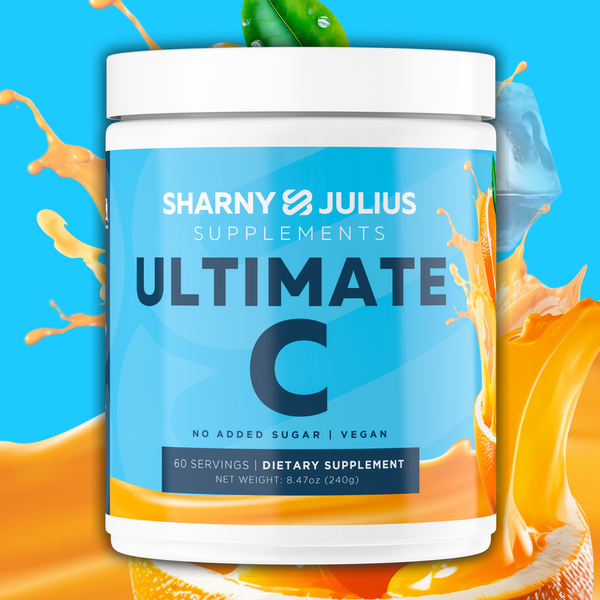
S&J Ultimate C
Triple-form vitamin C · Zero calories · Zero sugar · Family-safe
Why Exploring the Connection Between Vitamin C and Emotional Wellbeing Affects Your Immunity
The relationship between vitamin C and mood creates a powerful cycle that directly impacts your immune system. Vitamin C acts as an essential cofactor for tyrosine hydroxylase and tryptophan hydroxylase, the enzymes responsible for converting amino acids into serotonin and dopamine. When these neurotransmitters are in short supply due to inadequate vitamin C, chronic stress and low mood suppress immune function through elevated cortisol levels. Poor emotional wellbeing also leads to inflammatory responses that further deplete vitamin C stores, creating a downward spiral. According to research published in the Journal of Health Psychology, people experiencing depression show 25% lower vitamin C levels and significantly compromised immune responses. Additionally, zinc deficiency—which often occurs alongside vitamin C deficiency—independently contributes to both mood disorders and weakened immunity, as zinc supports over 300 enzymatic processes including immune cell function and neurotransmitter synthesis.
What Actually Works for Stress and Emotional Wellbeing
Supporting your mood through nutrition requires a strategic approach that addresses the root biochemical needs: 1. Prioritize protein at breakfast to provide tyrosine and tryptophan, the amino acid building blocks for mood neurotransmitters 2. Manage stress actively through deep breathing, meditation, or regular exercise to prevent cortisol from depleting your vitamin C stores 3. Maintain consistent sleep schedules since poor sleep disrupts both neurotransmitter production and immune function 4. Choose a vitamin C supplement with multiple absorption pathways like S&J Ultimate C's triple-form blend of ascorbic acid for potency, sodium ascorbate for quick absorption, and calcium ascorbate for stomach comfort 5. Include zinc for comprehensive mood support since zinc deficiency independently contributes to depression while supporting the enzymatic processes that require vitamin C as a cofactor Ultimate C's citrus bioflavonoids enhance vitamin C absorption and extend its activity, while rosehip extract provides additional natural vitamin C plus antioxidants. The natural orange flavour makes daily supplementation enjoyable for the whole family.
Vitamin C and Mood FAQ
Does vitamin C improve mood?
Yes, vitamin C can improve mood by serving as a cofactor for enzymes that produce serotonin and dopamine. Research shows people with adequate vitamin C levels experience better emotional regulation and lower rates of depression compared to those with deficiency.
Can low vitamin C cause depression?
Low vitamin C can contribute to depression by limiting your body's ability to produce mood-regulating neurotransmitters. Studies show vitamin C deficiency correlates with increased rates of depression, fatigue, and emotional instability.
What vitamins affect mood and emotions?
Vitamin C, B-complex vitamins, vitamin D, and minerals like zinc and magnesium significantly impact mood. Vitamin C specifically supports neurotransmitter production, while zinc acts as a cofactor for hundreds of mood-related enzymatic processes.
Upgrade Your Immunity
If you're exploring the connection between nutrition and emotional wellbeing, Ultimate C provides the comprehensive vitamin C support your neurotransmitter production needs. Our triple-form vitamin C with citrus bioflavonoids, rosehip extract, and zinc delivers superior absorption through three different pathways—zero sugar, zero calories, and tastes like fresh orange juice.
Shop Ultimate C