


Vitamin C significantly reduces allergic cough by lowering histamine levels and calming inflammatory responses in your airways. This potent antioxidant works as a natural antihistamine, helping your body process allergens without triggering the persistent cough reflex that leaves you exhausted and frustrated. According to the European Respiratory Journal, people with higher vitamin C levels show 40% less airway hyperreactivity to common allergens. The challenge is that most vitamin C supplements use only basic ascorbic acid, which your body struggles to absorb effectively—especially when you need higher therapeutic doses to combat allergic responses. Your persistent cough isn't a character flaw; it's your immune system overreacting to environmental triggers, and the right form of vitamin C can genuinely help restore balance.
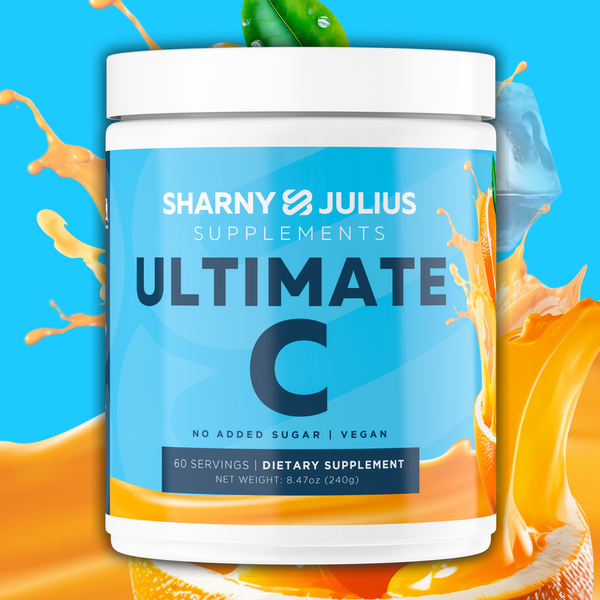
S&J Ultimate C
Triple-form vitamin C · Zero calories · Zero sugar · Family-safe
Why Persistent Allergic Cough Affects Your Immunity
Allergic cough creates a vicious cycle that weakens your entire immune system. When allergens trigger your airways, your body releases excessive histamine and inflammatory mediators like leukotrienes, causing the persistent cough reflex. This constant inflammation depletes your natural vitamin C stores—your adrenal glands burn through vitamin C rapidly during stress responses, including allergic reactions. According to the Journal of Allergy and Clinical Immunology, chronic allergic inflammation can reduce tissue vitamin C levels by up to 60%, creating a deficiency exactly when you need this nutrient most. Meanwhile, your overactive immune system becomes hypersensitive, making you more reactive to environmental triggers like pollen, dust, or pet dander. The inflammation doesn't just affect your throat—it creates systemic oxidative stress that leaves you feeling drained, irritable, and more susceptible to other infections. Breaking this cycle requires therapeutic doses of highly bioavailable vitamin C to restore immune balance and calm airway hyperreactivity.
What Actually Works for Allergy-Support and Persistent Cough Relief
Here's what genuinely helps reduce allergic cough frequency and intensity:
- Remove inflammatory triggers—dairy and processed foods increase mucus production, while sugar feeds inflammatory pathways that worsen allergic responses
- Support your histamine breakdown—foods rich in quercetin like onions and apples work synergistically with vitamin C to stabilise mast cells
- Stay consistently hydrated—dehydration thickens mucus and makes coughing more persistent; aim for half your body weight in ounces daily
- Use therapeutic vitamin C doses—S&J Ultimate C provides three forms of vitamin C (ascorbic acid for potency, sodium ascorbate for rapid absorption, calcium ascorbate for stomach comfort) plus citrus bioflavonoids that enhance absorption and extend vitamin C activity in your tissues
- Add immune-supporting cofactors—Ultimate C includes zinc for immune enzyme function and rosehip extract for natural vitamin C plus antioxidants, creating a complete allergy-fighting formula that tastes like orange juice with zero sugar or calories
Allergy-Support and Cough Relief FAQ
Does vitamin C help allergic cough?
Yes, vitamin C significantly reduces allergic cough by acting as a natural antihistamine and reducing inflammatory mediators in your airways. It stabilises mast cells that release histamine and helps break down existing histamine more efficiently, calming the cough reflex.
What natural remedies stop allergic cough?
High-dose bioavailable vitamin C, quercetin-rich foods, staying hydrated, and removing inflammatory triggers like dairy work best. Vitamin C with citrus bioflavonoids provides the most effective natural antihistamine effect for persistent allergic cough.
Can vitamin C reduce airway sensitivity?
Absolutely—vitamin C reduces airway hyperreactivity by lowering inflammatory responses to allergens and supporting healthy histamine metabolism. Regular therapeutic doses help prevent oversensitive reactions to environmental triggers like pollen, dust, or pet dander.
Upgrade Your Immunity
Stop letting allergic cough control your daily comfort and energy. Ultimate C delivers three forms of vitamin C for maximum absorption, enhanced by citrus bioflavonoids and rosehip extract, plus zinc for complete immune support—all in a delicious natural orange flavour with zero sugar that the whole family loves.
Shop Ultimate C