


Vitamin C is generally safe for autoimmune conditions because it modulates rather than overstimulates immune function, helping balance inflammatory responses while supporting cellular repair. Unlike immune stimulants that can worsen autoimmune flares, vitamin C acts as a regulatory nutrient that supports your body's natural immune balance. According to the Journal of Translational Medicine, vitamin C deficiency is found in up to 40% of people with autoimmune conditions, often due to increased oxidative stress and higher nutrient demands. The challenge isn't just getting enough vitamin C—it's ensuring optimal absorption without stomach irritation, especially when managing autoimmune medications that can affect digestive tolerance.
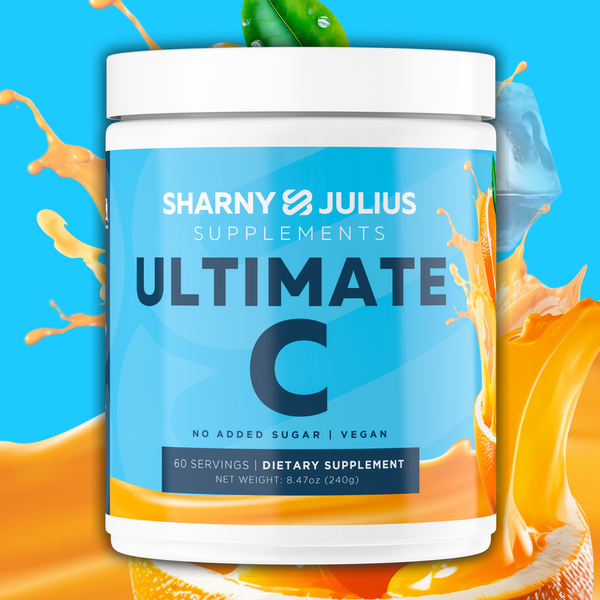
S&J Ultimate C
Triple-form vitamin C · Zero calories · Zero sugar · Family-safe
Why Managing Autoimmune Conditions Affects Your Vitamin C Needs
Autoimmune conditions create a perfect storm for vitamin C depletion. Chronic inflammation increases your body's demand for antioxidants like vitamin C by up to 40%, while many autoimmune medications can interfere with nutrient absorption in the gut. Your immune system isn't deficient—it's dysregulated, attacking healthy tissue while struggling to defend against actual threats. Vitamin C works differently than immune stimulants because it supports regulatory T-cells that help calm overactive immune responses while maintaining protective immunity. According to research in Free Radical Biology and Medicine, people with autoimmune conditions often have 25-50% lower vitamin C levels than healthy individuals, not from poor diet but from increased utilization during inflammatory processes. This creates a cycle where low vitamin C levels worsen oxidative stress, potentially triggering more autoimmune activity.
What Actually Works for Immune Support with Autoimmune Conditions
1. Time your vitamin C strategically—take it away from autoimmune medications to avoid absorption interference, ideally 2 hours before or after prescriptions. 2. Choose buffered forms like sodium ascorbate or calcium ascorbate if you experience stomach sensitivity, which is common with autoimmune conditions. 3. Focus on sustained release rather than mega-doses, as your body can only absorb about 200mg at once regardless of how much you take. 4. Use triple-form vitamin C like S&J Ultimate C, which combines ascorbic acid for potency, sodium ascorbate for quick gentle absorption, and calcium ascorbate for stomach comfort—giving you three different absorption pathways instead of relying on one form that might not work with your digestive sensitivities. 5. Enhance absorption naturally with citrus bioflavonoids and rosehip extract, which extend vitamin C activity in your body, plus zinc to support the 300+ immune enzymes that help regulate autoimmune responses. One scoop daily in water provides clinically meaningful amounts without sugar, calories, or artificial additives that could trigger sensitivities.
Autoimmune Vitamin C Support FAQ
Is vitamin C safe with autoimmune disease?
Yes, vitamin C is generally safe with autoimmune conditions because it modulates rather than overstimulates immune function. Unlike immune boosters that can worsen autoimmune flares, vitamin C helps balance inflammatory responses while supporting tissue repair and antioxidant defense.
Does vitamin C overstimulate the immune system?
No, vitamin C doesn't overstimulate immunity—it helps regulate it by supporting both protective and regulatory immune cells. Research shows vitamin C actually helps calm excessive inflammatory responses while maintaining your body's ability to fight infections, making it suitable for autoimmune management.
What supplements are safe for autoimmune conditions?
Focus on regulatory nutrients like vitamin C, zinc, and antioxidants rather than immune stimulants like echinacea or elderberry. Always choose pharmaceutical-grade supplements with minimal additives and consult your rheumatologist before adding any new supplements to avoid medication interactions.
Upgrade Your Immunity
Managing autoimmune conditions requires precise nutrition—not guesswork with single-form vitamin C that might irritate your system. Ultimate C's triple-form blend provides three absorption pathways enhanced by citrus bioflavonoids and rosehip extract, plus immune-regulating zinc, with zero sugar and a natural orange taste your whole family will love. Always consult your rheumatologist or immunologist before adding any immune supplement to your autoimmune management plan.
Shop Ultimate C