


Vitamin C acts as a powerful neuroprotectant for elderly cognitive health by neutralizing oxidative stress that damages brain cells and contributes to age-related cognitive decline. As we age, our brains become increasingly vulnerable to free radical damage, while our natural vitamin C levels typically decrease. According to the American Journal of Clinical Nutrition, higher vitamin C intake is associated with better cognitive performance and reduced risk of cognitive impairment in older adults. The challenge isn't just getting enough vitamin C—it's ensuring your body can actually absorb and utilize it effectively. Many elderly individuals struggle with standard vitamin C tablets that cause stomach upset or pass through the system largely unused, leaving their brain cells vulnerable to the oxidative damage that accelerates cognitive decline.
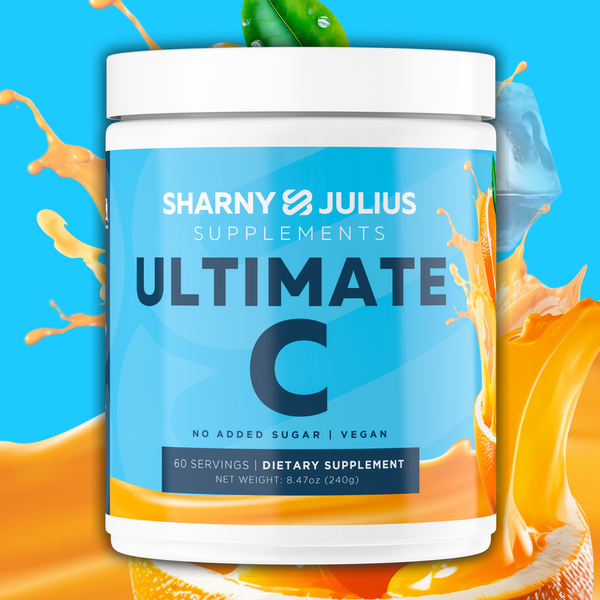
S&J Ultimate C
Triple-form vitamin C · Zero calories · Zero sugar · Family-safe
Why Concerns About Cognitive Decline Affects Your Immunity
The brain consumes more oxygen per gram than any other organ, making it exceptionally vulnerable to oxidative damage as we age. Vitamin C concentrates in brain tissue at levels 10 times higher than in blood, acting as the primary antioxidant defense system protecting neurons from free radical damage. When cognitive decline begins, this creates a cascading effect on overall health—chronic stress from memory concerns elevates cortisol levels, which further depletes vitamin C stores and suppresses immune function. According to the Journal of Alzheimer's Disease, individuals with mild cognitive impairment show significantly lower plasma vitamin C levels compared to cognitively healthy peers. The hippocampus, crucial for memory formation, requires adequate zinc levels to function optimally, while vitamin C enhances zinc absorption and protects the delicate neural pathways where memories are formed and stored. This creates a critical window where proper nutrition can either support cognitive resilience or allow accelerated decline.
What Actually Works for Elderly Health Concerned About Cognitive Decline
1. Prioritize consistent, high-quality vitamin C intake rather than sporadic mega-doses that your body can't absorb. 2. Combine vitamin C with zinc to support hippocampal function essential for memory consolidation and retrieval. 3. Include citrus bioflavonoids with vitamin C to enhance absorption and extend antioxidant activity in brain tissue. 4. Choose a triple-form vitamin C supplement like S&J Ultimate C that combines ascorbic acid for potency, sodium ascorbate for gentle absorption, and calcium ascorbate for stomach comfort—providing three different absorption pathways instead of relying on single-form vitamin C that often passes through unused. 5. Look for rosehip extract enhancement which provides additional natural vitamin C plus antioxidants that specifically support neural health. Ultimate C delivers clinically meaningful amounts without stomach discomfort, with zero sugar and zero calories, making it perfect for daily use. The natural orange flavor tastes like orange juice, and one scoop daily provides comprehensive cognitive protection through superior absorption from the triple-form blend.
Elderly Health Cognitive Decline FAQ
Does vitamin C protect against dementia?
Research suggests adequate vitamin C intake may reduce dementia risk by protecting brain cells from oxidative damage. Higher vitamin C levels correlate with better cognitive performance and slower cognitive decline in longitudinal studies of elderly populations.
Can vitamin C improve memory in elderly?
Vitamin C supports memory function by protecting hippocampal neurons and enhancing zinc absorption crucial for memory formation. Studies show elderly individuals with higher vitamin C intake demonstrate better working memory and cognitive flexibility.
What vitamins help prevent cognitive decline?
Vitamin C and zinc are particularly important for cognitive health in aging, along with vitamins E and B-complex. Vitamin C specifically protects against oxidative brain damage while zinc supports neurotransmitter function essential for memory and learning.
Upgrade Your Immunity
Don't let poor absorption limit your cognitive protection when it matters most. Ultimate C's triple-form vitamin C with citrus bioflavonoids, rosehip extract, and zinc provides superior bioavailability through three absorption pathways, supporting both brain health and immune function with zero sugar and a natural orange taste your whole family will love.
Shop Ultimate C