


Vitamin C plays a crucial role in depression management by serving as an essential cofactor for producing serotonin, dopamine, and norepinephrine—the neurotransmitters that regulate mood, motivation, and emotional well-being. When your body lacks adequate vitamin C, it cannot efficiently synthesize these critical brain chemicals, potentially contributing to depressive symptoms. According to the World Health Organization, depression affects over 280 million people worldwide, making nutritional support strategies increasingly important. The challenge is that most people rely on single-form vitamin C supplements that offer poor absorption and stomach discomfort, limiting their therapeutic potential. Your brain needs consistent, bioavailable vitamin C to support optimal neurotransmitter production, especially during periods of stress when vitamin C stores become rapidly depleted.
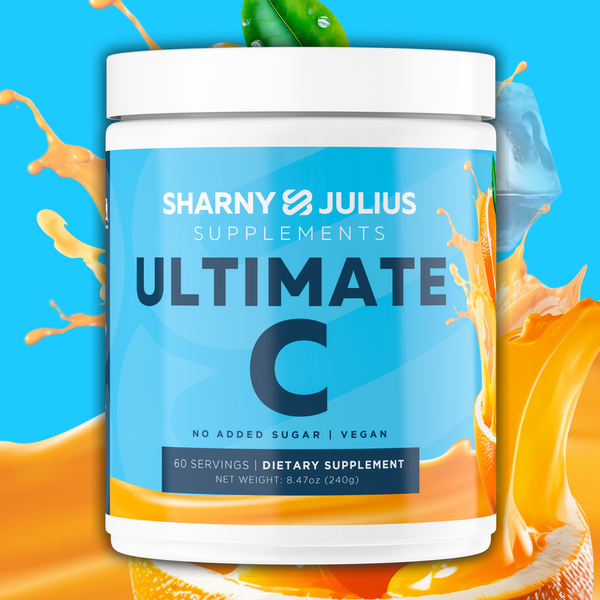
S&J Ultimate C
Triple-form vitamin C · Zero calories · Zero sugar · Family-safe
Why Exploring Vitamin C as Complementary Support for Depression Affects Your Immunity
Depression and immune dysfunction create a vicious cycle that compounds both conditions. Vitamin C serves as an essential cofactor for tyrosine hydroxylase and tryptophan hydroxylase, the rate-limiting enzymes that convert amino acids into serotonin, dopamine, and norepinephrine. Without sufficient vitamin C, your brain cannot produce adequate amounts of these mood-regulating neurotransmitters. Simultaneously, chronic stress and depression trigger cortisol release, which rapidly depletes vitamin C stores and suppresses immune function. According to the Journal of Clinical Medicine, individuals with depression show significantly lower plasma vitamin C levels compared to healthy controls. This deficiency creates a cascade effect: poor mood leads to increased stress hormones, which depletes vitamin C, which impairs both neurotransmitter synthesis and immune cell function. The result is persistent low mood coupled with increased susceptibility to infections, fatigue, and slower recovery from illness—all of which further worsen depressive symptoms.
What Actually Works for Stress When Exploring Vitamin C as Complementary Support for Depression
1. Prioritize protein-rich meals with vitamin C sources to provide both the amino acid building blocks (tryptophan, tyrosine) and the vitamin C cofactor needed for neurotransmitter synthesis. 2. Time your vitamin C intake strategically—take it with meals containing protein to support mood-regulating brain chemistry throughout the day. 3. Address zinc deficiency concurrently, as zinc supports over 300 enzymatic processes including those involved in neurotransmitter metabolism and immune function. 4. Choose a triple-form vitamin C supplement like S&J Ultimate C that combines ascorbic acid for potency, sodium ascorbate for rapid absorption, and calcium ascorbate for stomach comfort—ensuring consistent bioavailability without digestive upset that could worsen mood. 5. Look for enhanced absorption formulas containing citrus bioflavonoids that extend vitamin C activity in your body, plus rosehip extract for additional natural vitamin C and antioxidants. Ultimate C's zero-sugar, zero-calorie formula with natural orange flavour makes daily compliance easy while supporting both neurotransmitter synthesis and immune resilience.
Stress and Vitamin C for Depression FAQ
Can vitamin C help with depression?
Yes, vitamin C can help support depression management as it's an essential cofactor for synthesizing serotonin, dopamine, and norepinephrine neurotransmitters. While not a replacement for professional treatment, adequate vitamin C levels support optimal brain chemistry and may complement traditional depression therapies.
Does vitamin C affect serotonin levels?
Yes, vitamin C directly affects serotonin production by serving as a required cofactor for tryptophan hydroxylase, the enzyme that converts tryptophan into serotonin. Without sufficient vitamin C, your brain cannot efficiently produce this crucial mood-regulating neurotransmitter, potentially contributing to depressive symptoms.
What vitamins help with depression?
Key vitamins for depression include vitamin C (for neurotransmitter synthesis), B-complex vitamins (especially B6, B12, folate), vitamin D, and minerals like zinc and magnesium. These nutrients work together to support brain chemistry, with vitamin C playing a particularly crucial role in mood-regulating neurotransmitter production.
Upgrade Your Immunity
Support your mood and immune system with Ultimate C's triple-form vitamin C formula featuring three absorption pathways, enhanced by citrus bioflavonoids and rosehip extract, plus zinc for comprehensive immune support—all in a zero-sugar, zero-calorie formula that tastes like fresh orange juice. Remember, vitamin C supplementation supports but does not replace professional depression treatment.
Shop Ultimate C