


Zinc and Immune Function refers to the critical role this essential trace mineral plays in supporting immune cell development, activation, and proper immune response. Zinc deficiency significantly impairs immune system performance and increases susceptibility to infections and delayed wound healing.
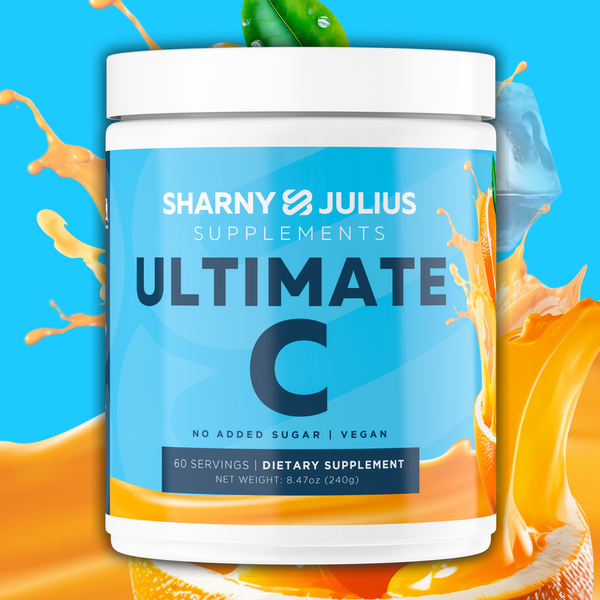
S&J Ultimate C
Triple-form vitamin C · Zero calories · Zero sugar · Family-safe
How Zinc and Immune Function Works
Zinc acts as a cofactor for over 300 enzymes in the human body, with particularly crucial roles in immune cell function and development. According to the National Institutes of Health, zinc is essential for the normal development and function of neutrophils and natural killer cells, which serve as the body's first line of defense against pathogens. The mineral directly influences T-lymphocyte proliferation and helps maintain the structural integrity of cell membranes in immune cells.
At the cellular level, zinc regulates the production of cytokines—signaling proteins that coordinate immune responses. Research published in the American Journal of Clinical Nutrition found that zinc deficiency reduces the activity of thymulin, a zinc-dependent hormone produced by the thymus gland that's essential for T-cell maturation. Additionally, zinc supports the function of macrophages, specialized immune cells that engulf and destroy harmful microorganisms. The mineral also plays a vital role in antibody production, with studies showing that adequate zinc levels are necessary for optimal immunoglobulin synthesis by B-lymphocytes.
Why Zinc and Immune Function Matters for Your Health
Maintaining adequate zinc levels is fundamental for robust immune system performance, particularly during periods of physical stress or increased infection risk. A 2017 study published in the Journal of Nutrition found that individuals with zinc deficiency were 2.5 times more likely to develop respiratory tract infections compared to those with adequate zinc status. This becomes especially important for active individuals, as intense exercise can temporarily suppress immune function and increase zinc requirements.
The World Health Organization estimates that zinc deficiency affects approximately 17% of the global population, making it one of the most common micronutrient deficiencies worldwide. For athletes and fitness enthusiasts, adequate zinc intake supports not only immune function but also protein synthesis and wound healing—critical factors for recovery and adaptation to training. Research from the International Society of Sports Nutrition indicates that athletes may require 50% more zinc than sedentary individuals due to increased losses through sweat and enhanced metabolic demands.
Practical Takeaways
- The recommended daily allowance for zinc is 11mg for men and 8mg for women, according to the National Institutes of Health, with athletes potentially requiring higher amounts
- Include zinc-rich foods like oysters (74mg per 3 oz serving), beef, pumpkin seeds, and chickpeas in your regular diet
- Avoid taking zinc supplements on an empty stomach, as this can cause nausea and may interfere with copper absorption
- Time zinc supplementation away from calcium and iron supplements, as these minerals can compete for absorption
- Monitor your intake to stay below the upper limit of 40mg daily, as excessive zinc can actually impair immune function
- Consider increasing zinc intake during periods of intense training, illness recovery, or high stress when immune demands are elevated
While zinc is crucial for immune function, it works synergistically with other immune-supporting nutrients like vitamin C, which is why comprehensive immune support often involves multiple complementary nutrients working together.