


Vitamin C helps reduce childhood eczema severity by lowering histamine levels and protecting skin from oxidative stress that triggers flare-ups. While vitamin C won't cure eczema, research shows it can significantly reduce inflammation and support the compromised skin barrier that characterizes this condition. According to the National Eczema Association, eczema affects up to 25% of children, with many parents seeking nutritional support alongside prescribed treatments. The challenge isn't just getting enough vitamin C—it's ensuring proper absorption and sustained release to maintain anti-inflammatory effects throughout the day, something most single-form vitamin C tablets simply can't deliver.
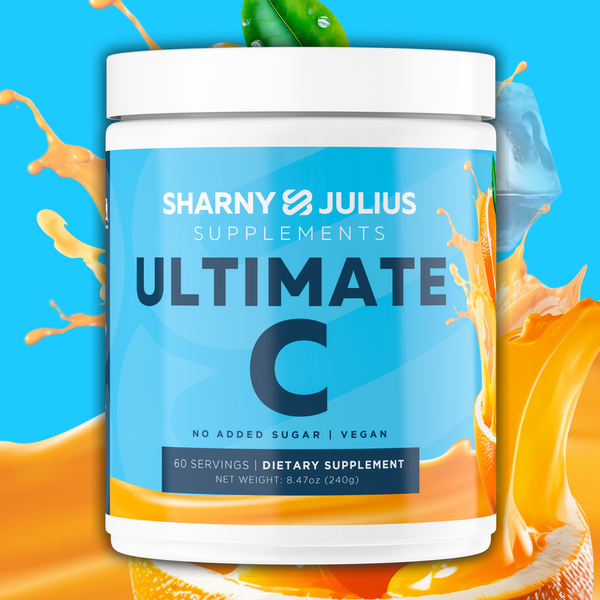
S&J Ultimate C
Triple-form vitamin C · Zero calories · Zero sugar · Family-safe
Why Children with Eczema Need Specialized Vitamin C Support
Children with eczema experience elevated histamine release and chronic oxidative stress that perpetually inflames their already compromised skin barrier. Vitamin C acts as a natural antihistamine, breaking down excess histamine while providing powerful antioxidant protection against the free radicals that worsen eczema lesions. However, children's developing digestive systems often struggle with standard ascorbic acid supplements, leading to stomach upset and poor absorption. According to research published in the Journal of Clinical Medicine, children with atopic dermatitis show significantly lower plasma vitamin C levels compared to healthy children, indicating both increased demand and absorption challenges. The typical approach of giving kids chewable vitamin C tablets provides minimal bioavailability and often contains sugars that can fuel inflammation. What these children need is gentle, sustained-release vitamin C that won't irritate sensitive stomachs while delivering consistent anti-inflammatory support throughout the day.
What Actually Works for Supporting Children with Eczema
1. Eliminate inflammatory triggers: Remove processed foods, excess sugar, and common allergens while adding anti-inflammatory whole foods rich in natural vitamin C and bioflavonoids. 2. Support skin barrier function: Focus on nutrients that strengthen skin integrity—vitamin C for collagen synthesis, zinc for wound healing, and natural compounds that reduce histamine response. 3. Maintain consistent nutrient levels: Eczema flares often correlate with nutrient depletion, so steady daily intake matters more than sporadic high doses that get eliminated unused. 4. Choose gentle, bioavailable forms: S&J Ultimate C combines three forms of vitamin C—ascorbic acid for potency, sodium ascorbate for quick absorption without stomach upset, and calcium ascorbate for sustained comfort—ensuring maximum utilization. 5. Enhance with supporting compounds: Citrus bioflavonoids naturally enhance vitamin C absorption while extending its anti-inflammatory activity, plus rosehip extract provides additional natural vitamin C and skin-supporting antioxidants, all in a natural orange flavor kids actually enjoy drinking daily.
Childhood Eczema and Vitamin C Support FAQ
Does vitamin C help children's eczema?
Yes, vitamin C can help reduce eczema severity by acting as a natural antihistamine and protecting skin from oxidative damage. Studies show children with eczema often have lower vitamin C levels, and supplementation can reduce inflammation and support skin barrier repair when used alongside prescribed treatments.
What supplements are safe for kids with eczema?
Gentle, buffered forms of vitamin C, zinc, and natural bioflavonoids are generally safe for children with eczema. Always choose supplements without artificial colors, sugars, or harsh additives that could trigger sensitivities, and consult your child's dermatologist before starting any new supplements.
Can diet changes improve childhood eczema?
Yes, dietary changes can significantly improve childhood eczema by reducing inflammatory triggers and providing skin-supporting nutrients. Focus on eliminating processed foods and sugar while increasing anti-inflammatory foods rich in vitamin C, zinc, and natural antioxidants that support skin barrier function.
Upgrade Your Child's Nutritional Support
Give your child the gentle, effective vitamin C support their skin needs with Ultimate C's triple-form blend—three absorption pathways ensure maximum utilization without stomach upset, enhanced by citrus bioflavonoids and rosehip extract for comprehensive skin support, plus zinc for immune function, all in a delicious natural orange flavor that tastes like orange juice. Use alongside your dermatologist's prescribed treatments for comprehensive eczema management.
Shop Ultimate C