


Vitamin C can support mood regulation in elderly individuals by facilitating the synthesis of serotonin and dopamine, neurotransmitters that naturally decline with age and contribute to late-life depression. While vitamin C alone isn't a treatment for depression, research suggests adequate levels may help support better mood alongside proper medical care. According to the World Health Organization, depression affects over 280 million people globally, with elderly populations at particular risk due to age-related neurotransmitter changes and nutrient absorption challenges. Many seniors find that despite eating citrus fruits or taking basic vitamin C tablets, they don't experience meaningful benefits—often because single-form supplements aren't well-absorbed by aging digestive systems that need gentler, more bioavailable forms of this crucial nutrient.
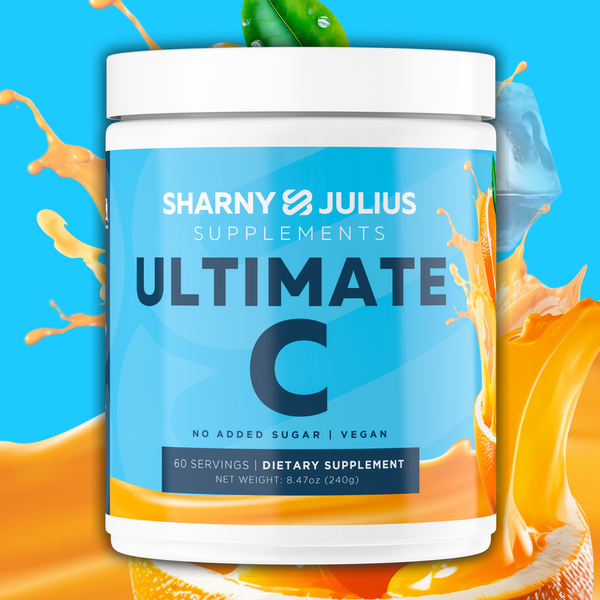
S&J Ultimate C
Triple-form vitamin C · Zero calories · Zero sugar · Family-safe
Why Depression in Later Life Affects Your Nutrient Needs
As we age, our bodies produce less stomach acid and digestive enzymes, making it harder to absorb nutrients from food and standard supplements. This is particularly problematic for vitamin C absorption, which requires specific transport mechanisms that become less efficient over time. Vitamin C serves as a critical cofactor in the production of serotonin and dopamine—brain chemicals that regulate mood, sleep, and motivation. When vitamin C levels drop, so can the production of these mood-stabilizing neurotransmitters. According to research published in the Journal of Nutrition, Health & Aging, elderly individuals with low vitamin C levels showed significantly higher rates of depressive symptoms compared to those with adequate levels. Additionally, zinc deficiency—common in older adults—independently contributes to depression and impairs immune function. The combination of poor absorption, increased nutrient needs during stress or illness, and age-related metabolic changes creates a perfect storm for mood-affecting nutrient deficiencies that single-form vitamin C supplements simply can't address effectively.
What Actually Works for Elderly Mood and Immune Support
Supporting mood and immunity in later life requires a comprehensive approach: 1) Prioritize protein-rich meals to provide amino acids needed for neurotransmitter production, including eggs, fish, and lean meats. 2) Maintain regular social connections and light physical activity, both proven to support mood and immune function. 3) Focus on consistent sleep schedules, as poor sleep disrupts both immune response and mood regulation. 4) Choose a vitamin C supplement designed for mature digestive systems—S&J Ultimate C's triple-form blend combines ascorbic acid for potency, sodium ascorbate for quick absorption without stomach upset, and calcium ascorbate for maximum gentleness. This multi-pathway approach ensures your body can actually utilize the vitamin C rather than eliminating it unused. 5) Look for added immune cofactors like zinc, which supports over 300 enzyme functions including mood-regulating brain chemistry, plus citrus bioflavonoids and rosehip extract that enhance vitamin C absorption and provide additional antioxidants. The natural orange flavour makes daily supplementation enjoyable, while zero sugar and zero calories fit any dietary restrictions common in elderly nutrition plans.
Elderly Depression and Vitamin C FAQ
Can vitamin C help depression in elderly?
Vitamin C may support mood by helping produce serotonin and dopamine, brain chemicals that decline with age. While not a depression treatment, adequate vitamin C levels support the biochemical processes needed for stable mood and should complement professional mental health care.
What supplements help elderly mood?
Vitamin C, zinc, and B vitamins support neurotransmitter production that affects mood. A triple-form vitamin C supplement with zinc provides gentle absorption for aging digestive systems while supporting the brain chemistry involved in mood regulation.
Is vitamin deficiency linked to elderly depression?
Yes, deficiencies in vitamin C, zinc, B vitamins, and vitamin D are associated with higher depression rates in elderly populations. Poor nutrient absorption with age can create deficiencies even when dietary intake appears adequate.
Upgrade Your Immunity
If you're concerned about mood changes and want nutritional support that actually absorbs properly, Ultimate C's triple-form vitamin C with zinc provides three different absorption pathways designed for mature digestive systems. One scoop daily tastes like fresh orange juice and delivers pharmaceutical-grade nutrition without stomach discomfort—nutritional support that complements but never replaces proper mental health treatment.
Shop Ultimate C