


Elderly residents in aged care facilities require vitamin C supplementation because institutional settings create high infection risk while dietary vitamin C intake often becomes inadequate due to reduced appetite, medication interactions, and limited fresh produce access. According to the Journal of Nutrition, Health & Aging, up to 60% of aged care residents have suboptimal vitamin C levels, contributing to frequent respiratory infections and slower wound healing. Standard vitamin C tablets often cause stomach upset in elderly residents who take multiple medications, making absorption even more challenging. The key is choosing a gentle, highly bioavailable vitamin C supplement that works alongside existing care routines rather than adding digestive stress.
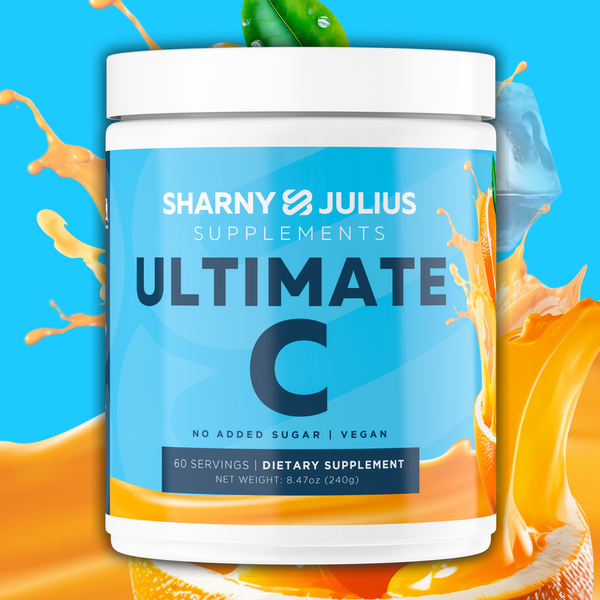
S&J Ultimate C
Triple-form vitamin C · Zero calories · Zero sugar · Family-safe
Why Family Concerns About Elderly Relatives in Aged Care Affects Immunity
Aged care environments create a perfect storm for vitamin C depletion and immune vulnerability. Residents face constant exposure to infections from communal living while their bodies struggle with age-related absorption issues, multiple medications that interfere with nutrient uptake, and often reduced appetites that limit fresh fruit and vegetable consumption. According to the American Journal of Clinical Nutrition, elderly adults require 30-50% more vitamin C than younger people to maintain the same blood levels, yet aged care residents typically consume less than recommended amounts. Additionally, stress from health changes and unfamiliar environments increases vitamin C turnover in the body. This combination explains why many families notice their elderly relatives experiencing more frequent colds, slower healing from minor cuts or bruises, and general fatigue after moving to aged care facilities.
What Actually Works for Elderly Health in Aged Care Settings
1. Coordinate with care staff to ensure vitamin supplementation fits into daily medication routines and doesn't interfere with prescription drugs. 2. Choose easily digestible formats like powders that mix into water or soft foods, avoiding large tablets that can be difficult to swallow. 3. Focus on buffered vitamin C forms that won't irritate sensitive stomachs already managing multiple medications. 4. Select triple-form vitamin C supplements like S&J Ultimate C that combine ascorbic acid for potency, sodium ascorbate for gentle absorption, and calcium ascorbate for stomach comfort—providing three different absorption pathways instead of relying on a single form that might not work well for elderly digestion. 5. Look for enhanced absorption formulas with citrus bioflavonoids that multiply vitamin C uptake, plus rosehip extract for additional natural vitamin C and zinc to support the 300+ immune enzymes that decline with age. The natural orange flavour makes it taste like orange juice, encouraging consistent daily use without the sugar that can complicate diabetic care plans.
Elderly Health in Aged Care FAQ
Do aged care residents need vitamin C supplements?
Yes, aged care residents typically need vitamin C supplementation because institutional diets often lack sufficient fresh produce and elderly adults require higher amounts for immune function. Communal living increases infection exposure while age-related absorption issues make dietary vitamin C less effective.
How do I ensure my elderly parent gets enough vitamins?
Work with aged care staff to establish a daily vitamin routine using easily absorbed formats like powder supplements mixed into drinks. Choose gentle, buffered forms that won't upset sensitive stomachs and coordinate timing with medications to avoid interactions.
What supplements help elderly in care homes?
Vitamin C with zinc provides the most immediate immune benefits for aged care residents, supporting infection resistance and wound healing. Choose triple-form vitamin C with bioflavonoids for maximum absorption, as single-form supplements often pass through elderly systems unused.
Upgrade Your Loved One's Immunity
Give your elderly relative the immune protection they deserve with Ultimate C's triple-form vitamin C blend—three absorption pathways ensure their body actually uses the nutrients instead of eliminating them unused. The natural orange flavour mixes easily into water or soft foods, making it perfect for aged care routines, while the zero sugar formula works with any dietary restrictions.
Shop Ultimate C