


Vitamin C helps protect against high cholesterol by preventing LDL (bad) cholesterol from oxidizing, which is the critical first step in forming dangerous arterial plaque that leads to heart disease. While vitamin C won't replace your cholesterol medication, research shows it provides meaningful cardiovascular protection by acting as a powerful antioxidant that shields your arteries from damage. According to the American Heart Association, nearly half of U.S. adults have high cholesterol, making cardiovascular protection more important than ever. The challenge is that most vitamin C supplements use only basic ascorbic acid, which many people can't absorb effectively and often causes stomach upset at the doses needed for cardiovascular benefits.
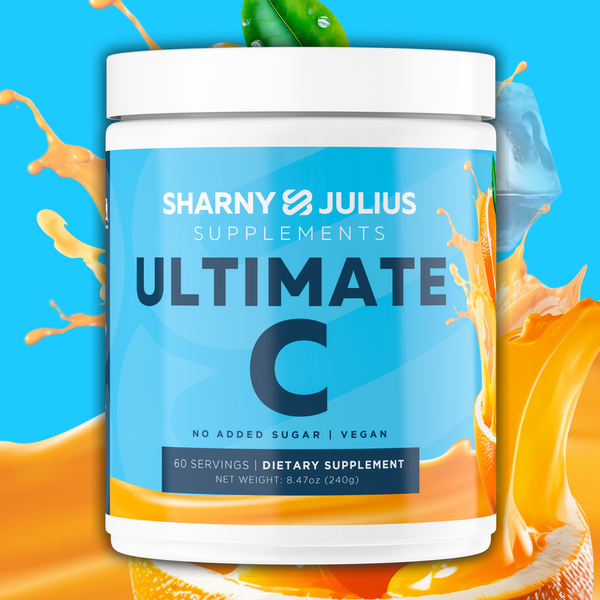
S&J Ultimate C
Triple-form vitamin C · Zero calories · Zero sugar · Family-safe
Why High Cholesterol Demands Better Vitamin C Protection
High cholesterol becomes dangerous when LDL cholesterol particles undergo oxidation in your bloodstream—this oxidized cholesterol is what actually sticks to artery walls and forms plaque. Vitamin C acts as your body's primary water-soluble antioxidant, neutralizing free radicals before they can oxidize cholesterol particles. However, when you're managing high cholesterol, you need sustained vitamin C levels throughout the day, not the quick spike and crash you get from single-form supplements. According to the Journal of the American College of Cardiology, people with the highest vitamin C levels had 42% lower risk of stroke compared to those with the lowest levels. The problem is that basic ascorbic acid absorbs poorly and gets eliminated quickly, leaving gaps in protection when your cardiovascular system needs it most. Your body also requires different forms of vitamin C for optimal absorption—some people absorb sodium ascorbate better, while others need the gentle calcium ascorbate form to avoid stomach irritation.
What Actually Works for Cardiovascular Protection
1. Eat antioxidant-rich foods daily—berries, leafy greens, and citrus fruits provide vitamin C alongside protective compounds that work synergistically. 2. Take vitamin C away from iron supplements—vitamin C enhances iron absorption, which can promote oxidation if you have excess iron. 3. Focus on sustained release—your body can only absorb about 200mg of vitamin C at once, so consistent intake matters more than mega-doses. 4. Choose triple-form vitamin C—S&J Ultimate C combines ascorbic acid for potency, sodium ascorbate for rapid absorption, and calcium ascorbate for stomach comfort, ensuring your body gets usable vitamin C regardless of your individual absorption patterns. 5. Look for enhanced absorption—the citrus bioflavonoids in Ultimate C act as nature's absorption multiplier, extending vitamin C activity in your body while providing additional cardiovascular-protective polyphenol compounds. The rosehip extract provides natural vitamin C plus antioxidants, while zinc supports the enzymes your immune system needs to function optimally.
Vitamin C and High Cholesterol FAQ
Does vitamin C lower cholesterol?
Vitamin C doesn't directly lower cholesterol numbers but prevents LDL cholesterol from oxidizing, which is the key step in arterial damage. Studies show vitamin C supplementation can reduce oxidized LDL markers by up to 25%, providing meaningful cardiovascular protection even if total cholesterol remains unchanged.
Can vitamin C prevent heart disease?
Vitamin C supports cardiovascular health by protecting arteries from oxidative damage and supporting healthy blood vessel function. While it's not a standalone prevention strategy, adequate vitamin C levels are associated with significantly lower stroke risk and better overall heart health outcomes.
What supplements help with high cholesterol?
Vitamin C works alongside omega-3 fatty acids, fiber supplements, and plant sterols to support cardiovascular health. The key is choosing highly absorbable forms—triple-form vitamin C with bioflavonoids provides better protection than basic ascorbic acid tablets that often pass through unused.
Upgrade Your Immunity
If you're managing high cholesterol, you need cardiovascular protection that works consistently throughout the day. Ultimate C's triple-form vitamin C provides three different absorption pathways, enhanced by citrus bioflavonoids and rosehip extract, plus immune-supporting zinc—all with zero sugar, zero calories, and a natural orange flavour your whole family will love. Remember: vitamin C supports cardiovascular health but does not replace cholesterol medications.
Shop Ultimate C