


Vitamin C can help reduce hives by degrading circulating histamine, the compound that triggers the characteristic wheals and intense itching associated with urticaria. This natural antihistamine effect works because vitamin C actively breaks down histamine in your bloodstream while stabilizing the mast cells in your skin that release this inflammatory compound. According to the American College of Allergy, Asthma & Immunology, chronic hives affect up to 1.8% of people at some point in their lives, leaving many searching for natural relief options beyond conventional antihistamines. If you've tried basic vitamin C tablets without success, the issue likely isn't the concept—it's the absorption. Most supplements use only ascorbic acid, which can irritate your stomach and gets poorly absorbed when you need higher therapeutic doses for histamine control.
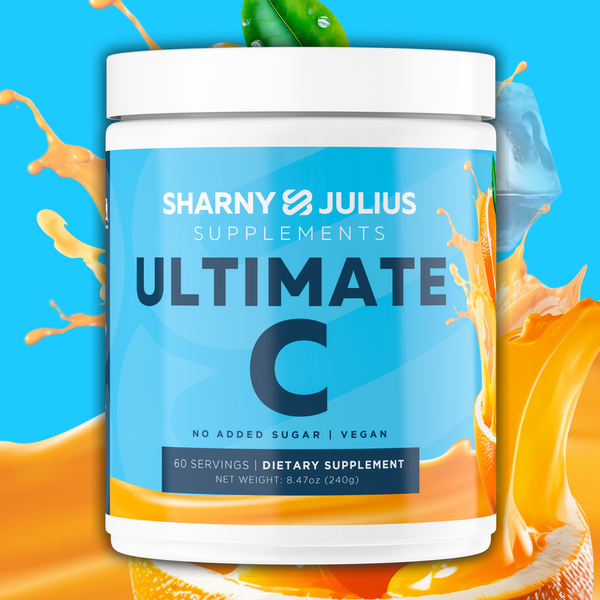
S&J Ultimate C
Triple-form vitamin C · Zero calories · Zero sugar · Family-safe
Why Experiencing Hives Affects Your Immunity
Hives represent an overactive immune response where mast cells in your skin release excessive histamine, creating those raised, itchy welts that can appear anywhere on your body. This histamine flood doesn't just cause surface symptoms—it creates systemic inflammation that taxes your entire immune system. When your body is constantly producing and circulating histamine, it diverts immune resources away from fighting actual threats like viruses and bacteria. According to research published in Clinical and Experimental Allergy, people with chronic urticaria show elevated inflammatory markers that persist even between hive episodes. The cycle becomes self-perpetuating: stress from dealing with unpredictable breakouts elevates cortisol, which further compromises immune function and can actually trigger more histamine release. Your skin barrier also becomes compromised during hive episodes, making you more susceptible to infections and environmental irritants. This is why addressing hives isn't just about symptom relief—it's about restoring proper immune balance and breaking the inflammatory cycle that keeps your system on high alert.
What Actually Works for Allergy Support When Experiencing Hives
1. Identify and eliminate triggers systematically—keep a detailed food and activity diary to spot patterns, as 80% of chronic hives cases have identifiable triggers ranging from specific foods to pressure or temperature changes.
2. Support your skin barrier with cool, gentle care—use lukewarm water for showers, apply fragrance-free moisturizers while skin is still damp, and wear loose, breathable fabrics to prevent mechanical irritation that can worsen breakouts.
3. Manage stress through proven techniques—practice deep breathing, meditation, or gentle yoga, as stress directly triggers mast cell degranulation and histamine release that can spark new hive episodes.
4. Choose therapeutic doses of properly absorbed vitamin C—S&J Ultimate C provides three forms of vitamin C (ascorbic acid for potency, sodium ascorbate for quick absorption, and calcium ascorbate for stomach comfort) that work together to maximize histamine degradation without digestive upset that single-form supplements often cause.
5. Enhance absorption with supporting compounds—Ultimate C includes citrus bioflavonoids that stabilize mast cells and extend vitamin C activity, plus rosehip extract for additional natural vitamin C and skin-supporting antioxidants, all in a zero-sugar, natural orange formula that tastes like juice rather than medicine.
Allergy Support for Hives FAQ
Does vitamin C help with hives?
Yes, vitamin C helps with hives by directly degrading histamine in your bloodstream and stabilizing mast cells that release inflammatory compounds. Higher therapeutic doses are typically needed, which requires well-absorbed forms to avoid stomach upset while maintaining consistent blood levels for optimal antihistamine effects.
What vitamins stop hives?
Vitamin C is the primary vitamin that stops hives by breaking down histamine, while zinc supports immune regulation and wound healing. B-complex vitamins, particularly B12 and folate, can also help by supporting proper immune cell function and reducing inflammatory responses that trigger urticaria.
Can antihistamine supplements reduce urticaria?
Natural antihistamine supplements like vitamin C can reduce urticaria by degrading circulating histamine and stabilizing mast cells. Quercetin and other bioflavonoids also show antihistamine properties, though vitamin C remains the most researched natural compound for directly breaking down histamine in the body.
Upgrade Your Immunity
Don't let unpredictable hives control your life—Ultimate C's triple-form vitamin C formula provides three absorption pathways for maximum histamine-fighting power, enhanced by mast cell-stabilizing bioflavonoids and skin-supporting rosehip extract. Always consult your doctor for chronic or severe hives, but give your body the natural antihistamine support it needs with our zero-sugar, family-friendly formula that actually tastes like orange juice.
Shop Ultimate C