


Vitamin C supports immune function by enhancing neutrophil chemotaxis, boosting lymphocyte proliferation, and increasing natural killer cell activity — essentially powering your body's front-line defense systems. Most people understand vitamin C helps immunity, but the actual mechanisms run much deeper than simply "taking more vitamin C." Your immune cells concentrate vitamin C at levels 10-100 times higher than your blood plasma, using it as fuel for cellular processes that detect, attack, and eliminate threats. According to the American Journal of Clinical Nutrition, vitamin C deficiency significantly impairs immune cell function within just weeks. The challenge isn't just getting vitamin C — it's ensuring your immune cells can actually absorb and use it effectively, which requires the right forms and supporting compounds working together.
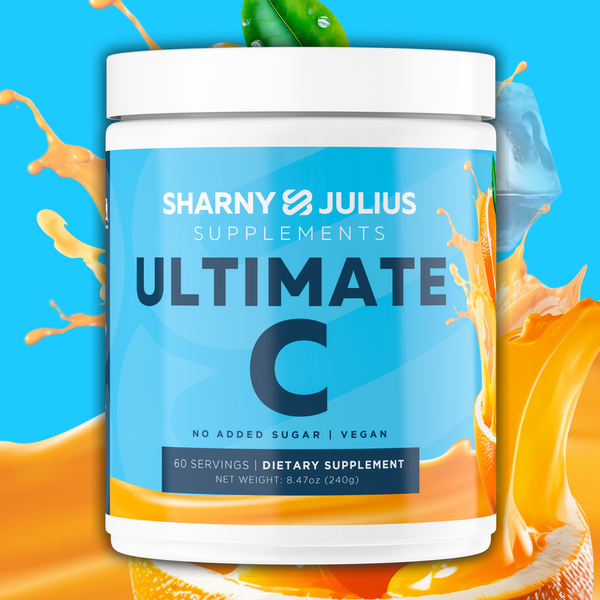
S&J Ultimate C
Triple-form vitamin C · Zero calories · Zero sugar · Family-safe
Why Understanding Vitamin C's Immune Mechanisms Affects Your Health Decisions
When you understand how vitamin C actually works in your immune system, you realize why many supplements fail to deliver noticeable benefits. Vitamin C enhances neutrophil chemotaxis — the process where your white blood cells migrate toward infection sites. It also drives lymphocyte proliferation, helping your body produce more T-cells and B-cells when fighting threats. Most importantly, it fuels natural killer cell activity, your body's specialized cancer and virus-fighting cells. According to the Journal of Nutritional Biochemistry, immune cells maintain vitamin C concentrations 50-100 times higher than plasma levels, indicating how critical this nutrient is for immune function. However, single-form vitamin C supplements often cause stomach irritation or poor absorption, limiting how much actually reaches your immune cells. Without proper absorption and bioavailability, you're essentially wasting money on vitamin C that your body can't effectively use. The secondary mechanism involves zinc supporting thymic hormone production, which matures T-lymphocytes — your adaptive immune system's memory cells.
What Actually Works for Optimizing Immune Function Through Vitamin C
1. Time your intake strategically — Take vitamin C consistently daily, with an extra dose when you feel run down or during cold and flu season when your immune demands increase. 2. Combine vitamin C with zinc — Zinc acts as a cofactor for over 300 enzymes and supports immune cell function, particularly T-cell maturation through thymic hormone production. 3. Choose absorption enhancers — Citrus bioflavonoids extend vitamin C activity in your body and improve absorption rates significantly compared to vitamin C alone. 4. Use multiple absorption pathways — S&J Ultimate C combines ascorbic acid for potency, sodium ascorbate for quick absorption without stomach irritation, and calcium ascorbate for gentle sustained release. This triple-form approach ensures maximum bioavailability. 5. Add natural cofactors — Rosehip extract provides additional natural vitamin C plus antioxidants that support both immune function and skin health. Ultimate C delivers clinically meaningful amounts in a zero-calorie, zero-sugar formula with natural orange flavor that tastes like orange juice — safe for the whole family.
Vitamin C and Immune Function FAQ
How exactly does vitamin C support immunity?
Vitamin C enhances neutrophil chemotaxis, lymphocyte proliferation, and natural killer cell activity. It acts as a cofactor for immune cell functions, supports collagen synthesis for barrier integrity, and serves as a powerful antioxidant protecting immune cells from oxidative damage during immune responses.
What immune cells need vitamin C?
Neutrophils, lymphocytes (T-cells and B-cells), natural killer cells, and macrophages all require vitamin C. These cells concentrate vitamin C at levels 10-100 times higher than blood plasma, using it for cellular energy, signaling, and protection during immune responses.
Why do immune cells accumulate vitamin C?
Immune cells concentrate vitamin C because they experience high oxidative stress during immune responses. The vitamin C protects these cells from damage while supporting their metabolic processes, enzyme functions, and cellular communication needed for effective pathogen elimination.
Upgrade Your Immunity
Understanding vitamin C's immune mechanisms means choosing a supplement that actually delivers results. Ultimate C provides triple-form vitamin C with three distinct absorption pathways, enhanced by citrus bioflavonoids and rosehip extract, plus zinc for immune enzyme support — all in a zero-sugar, zero-calorie formula that tastes like orange juice.
Shop Ultimate C