


Vitamin C supplementation during the first trimester is generally safe and beneficial, but buffered forms like sodium ascorbate and calcium ascorbate are gentler on your already-sensitive stomach than standard ascorbic acid tablets. The first trimester brings unique challenges for maintaining adequate vitamin C levels — morning sickness can make it difficult to keep down citrus fruits or standard supplements, while your body's immune system undergoes significant changes to accommodate your growing baby. According to the American College of Obstetricians and Gynecologists, up to 70% of pregnant women experience nausea and vomiting during early pregnancy, making traditional vitamin C supplements particularly difficult to tolerate. This is precisely when your body needs consistent vitamin C support for collagen formation, iron absorption, and immune function during this critical developmental period.
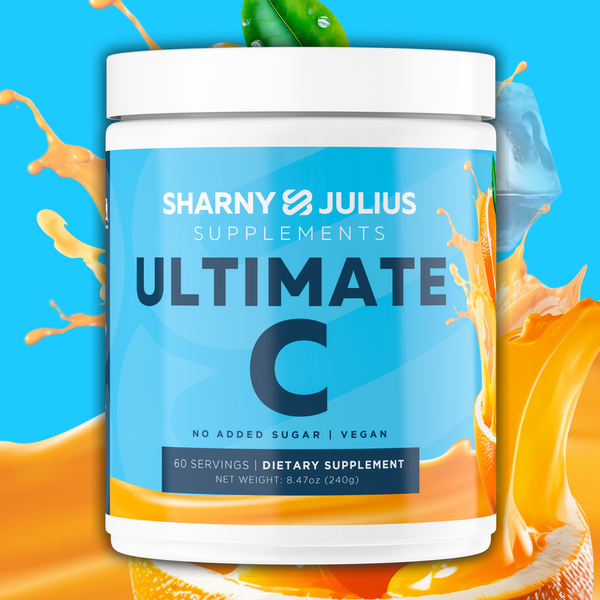
S&J Ultimate C
Triple-form vitamin C · Zero calories · Zero sugar · Family-safe
Why Early Pregnancy Affects Your Vitamin C Needs
During the first trimester, your body undergoes dramatic hormonal shifts that can severely impact your ability to absorb and retain essential nutrients. Rising progesterone levels slow digestion and increase gastric sensitivity, making standard ascorbic acid supplements harsh on your already-queasy stomach. Meanwhile, your blood volume begins expanding by up to 50%, diluting nutrient concentrations just when your developing baby needs them most. According to research published in the American Journal of Clinical Nutrition, pregnant women require 85mg of vitamin C daily — 15mg more than non-pregnant women — yet many struggle to meet even basic requirements due to food aversions and nausea. The challenge isn't just getting enough vitamin C; it's finding a form your sensitive digestive system can actually handle and absorb. This is where buffered vitamin C forms become crucial — they provide the same immune and developmental benefits without triggering the stomach upset that sends many expectant mothers rushing to the bathroom.
What Actually Works for First Trimester Vitamin C Support
Here's what actually helps maintain vitamin C levels when you're dealing with early pregnancy sensitivity:
- Take vitamin C on an empty stomach if possible — paradoxically, buffered forms are often better tolerated before meals when nausea is typically lowest
- Choose liquid or powder forms over tablets — they're gentler on sensitive stomachs and absorb more readily when digestion is compromised
- Pair with ginger or eat with crackers — natural nausea relief can help you keep supplements down during those critical first 12 weeks
- Opt for triple-form vitamin C blends — S&J Ultimate C combines ascorbic acid for potency, sodium ascorbate for quick absorption, and calcium ascorbate for stomach comfort, giving you three absorption pathways instead of just one
- Look for enhanced absorption ingredients — citrus bioflavonoids act as nature's absorption multiplier, while rosehip extract provides additional natural vitamin C plus skin-supporting antioxidants, and zinc supports the 300+ enzymes working overtime during early development
First Trimester Vitamin C FAQ
Is vitamin C safe in the first trimester?
Yes, vitamin C supplementation is safe and recommended during the first trimester when taken at appropriate doses. Vitamin C supports critical functions like collagen synthesis for placental development, iron absorption, and immune function. Choose buffered forms like sodium ascorbate or calcium ascorbate to minimize stomach irritation during this nausea-prone period.
How much vitamin C in early pregnancy?
Pregnant women need 85mg of vitamin C daily, according to established nutritional guidelines. This is 15mg more than non-pregnant women require. Most prenatal vitamins contain adequate amounts, but if you're struggling with food aversions or can't keep down your prenatal, a gentle buffered vitamin C supplement can help bridge the gap.
What supplements are essential in early pregnancy?
Folic acid (400-800mcg) is the most critical supplement for preventing neural tube defects, followed by vitamin C (85mg), iron, and vitamin D. Many women also benefit from vitamin B6 for nausea relief. Always choose supplements specifically formulated to be gentle on sensitive stomachs, as digestive comfort directly impacts consistency.
Upgrade Your Immunity
When morning sickness makes standard vitamin C supplements unbearable, Ultimate C's triple-form blend with natural orange flavour provides the gentle, comprehensive support your changing body needs. With three forms of vitamin C for maximum absorption, citrus bioflavonoids for enhanced bioavailability, and zero sugar to avoid blood sugar spikes, it's designed for the sensitivities of early pregnancy. Always consult your obstetrician before starting any supplement during pregnancy.
Shop Ultimate C