


Vitamin C is essential for prenatal health as it supports placental development, enhances iron absorption, and helps build your baby's connective tissues and immune system. During pregnancy, your vitamin C needs increase by 25% to support both maternal and fetal development, yet many women struggle with absorption from standard supplements that cause stomach upset when taken alongside prenatal vitamins. According to the American College of Obstetricians and Gynecologists, adequate vitamin C intake during pregnancy is crucial for preventing preterm birth and supporting healthy fetal growth. The challenge isn't just getting enough vitamin C — it's finding a form that your body can actually absorb and use effectively during this critical time when your digestive system is already under stress.
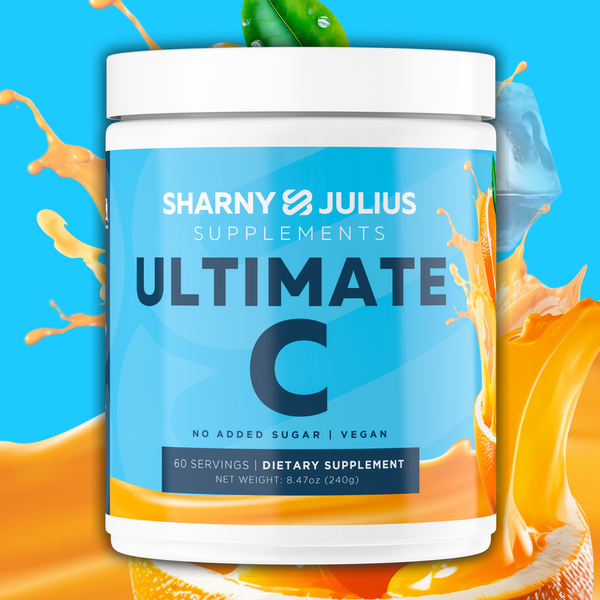
S&J Ultimate C
Triple-form vitamin C · Zero calories · Zero sugar · Family-safe
Why Incorporating Vitamin C Into Prenatal Supplementation Affects Your Immunity
Pregnancy creates a unique immune challenge where your body must protect both you and your developing baby while avoiding rejection of fetal tissue. Vitamin C plays a pivotal role in placental function, acting as a powerful antioxidant that protects against oxidative stress and supports the formation of collagen in placental blood vessels. This nutrient also dramatically enhances iron absorption — critical since pregnant women need nearly double the iron of non-pregnant women to support increased blood volume and fetal development. According to the Journal of Nutrition, pregnant women with adequate vitamin C levels show 67% better iron absorption compared to those with deficient levels. However, most standard vitamin C supplements use only ascorbic acid, which can cause stomach irritation when combined with prenatal vitamins and iron supplements. This digestive discomfort often leads women to skip doses, creating gaps in nutrition precisely when consistency matters most for immune function and fetal development.
What Actually Works for Pregnancy Incorporating Vitamin C Into Prenatal Supplementation
1. Take vitamin C separately from iron-containing prenatal vitamins by 2-3 hours to prevent stomach upset while still enhancing overall iron absorption throughout the day. 2. Choose a buffered vitamin C form that won't irritate your already sensitive digestive system — sodium ascorbate and calcium ascorbate are gentler alternatives to straight ascorbic acid. 3. Focus on consistent daily intake rather than mega-doses, as your body can only absorb limited amounts at one time and excess is simply eliminated. 4. Look for supplements with citrus bioflavonoids, which act as nature's absorption multiplier and help vitamin C stay active longer in your system. 5. Consider a triple-form vitamin C blend like S&J Ultimate C, which combines ascorbic acid for potency, sodium ascorbate for quick absorption, and calcium ascorbate for stomach comfort — giving you three different absorption pathways instead of relying on one. The added zinc supports immune cell function and acts as a cofactor for over 300 enzymes critical for fetal development, while the natural orange flavour eliminates the metallic taste that often triggers pregnancy nausea.
Pregnancy Incorporating Vitamin C Into Prenatal Supplementation FAQ
Should I take vitamin C with my prenatal vitamin?
It's generally better to space them 2-3 hours apart to prevent stomach upset and optimize absorption. While vitamin C enhances iron absorption, taking them simultaneously can cause digestive discomfort, especially with the higher iron doses in prenatal vitamins.
How much vitamin C do pregnant women need?
Pregnant women need 85mg of vitamin C daily, compared to 75mg for non-pregnant women. This increased requirement supports placental development and fetal tissue formation, though many women benefit from slightly higher amounts for immune support.
What are the benefits of vitamin C during pregnancy?
Vitamin C supports placental health, enhances iron absorption for preventing anemia, aids in fetal collagen formation for healthy skin and bones, and strengthens maternal immune function to protect both mother and baby from infections.
Upgrade Your Immunity
If standard vitamin C tablets leave you with stomach upset or you're unsure about absorption, Ultimate C's triple-form blend provides three absorption pathways with zero stomach discomfort. Enhanced with citrus bioflavonoids and zinc for comprehensive immune support, it tastes like natural orange juice and contains zero sugar or calories — perfect alongside your prenatal routine.
Shop Ultimate C