


Vitamin C and Iron Absorption refers to vitamin C's ability to convert poorly absorbed non-heme iron from plant foods into a more bioavailable form, increasing absorption rates by up to 300%. This biochemical partnership is crucial for preventing iron deficiency, particularly in vegetarians, vegans, and individuals with naturally low iron levels.
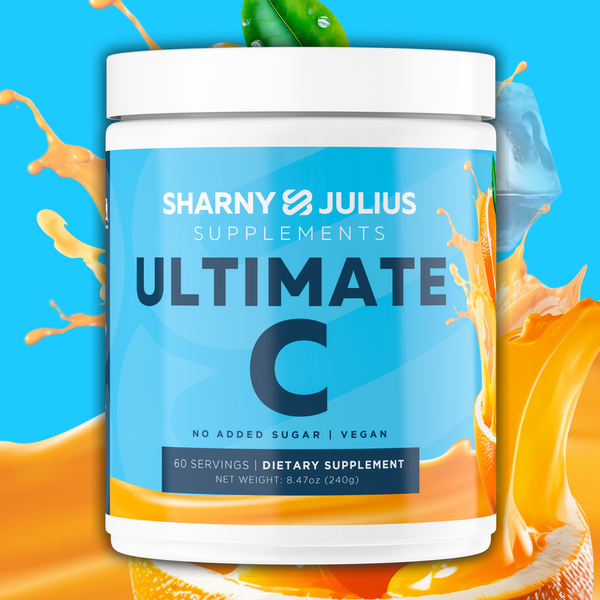
S&J Ultimate C
Triple-form vitamin C · Zero calories · Zero sugar · Family-safe
How Vitamin C Enhances Iron Absorption
Vitamin C works by reducing ferric iron (Fe3+) to ferrous iron (Fe2+), the form your body can actually absorb. According to the American Journal of Clinical Nutrition, consuming just 25-75mg of vitamin C alongside iron-rich plant foods can increase absorption by 300-400%. This reduction process occurs in your stomach's acidic environment, where ascorbic acid acts as a powerful reducing agent.
The mechanism is particularly important for non-heme iron found in plants, which has a baseline absorption rate of only 2-20% compared to heme iron from meat at 15-35%. Research published in the Journal of Nutrition found that adding 100mg of vitamin C to a meal containing 5mg of non-heme iron increased absorption from 2.7% to 8.6%. The vitamin C must be consumed simultaneously with the iron source, as the reaction occurs in real-time during digestion. Additionally, vitamin C helps form chelation complexes that keep iron soluble as it moves from the acidic stomach to the more alkaline small intestine, where absorption takes place.
Why Vitamin C and Iron Absorption Matters for Your Health
Iron deficiency affects approximately 1.62 billion people globally, making it the most common nutritional deficiency according to the World Health Organization. This partnership becomes critical for maintaining energy levels, cognitive function, and immune health. Iron is essential for hemoglobin production, which carries oxygen to your muscles and organs during exercise and daily activities.
For plant-based eaters, this relationship is particularly vital. Research from Harvard Medical School indicates that vegetarians have iron stores that are 12-18% lower than omnivores, despite often consuming adequate amounts of iron. The strategic pairing of vitamin C with iron-rich foods like spinach, lentils, and quinoa can bridge this gap effectively. Pregnant women, who need 27mg of iron daily compared to 18mg for non-pregnant women, can especially benefit from maximizing absorption efficiency through vitamin C supplementation.
Practical Takeaways
- Consume 25-100mg of vitamin C with iron-rich plant meals to maximize absorption - one medium orange provides about 70mg
- Time your vitamin C intake with iron-containing foods, not hours apart, as the conversion happens during digestion
- Avoid coffee and tea with iron-rich meals, as tannins can reduce absorption by up to 60% according to the National Institutes of Health
- Combine vitamin C-rich foods like bell peppers, strawberries, or citrus with iron sources like spinach, beans, and fortified cereals
- Consider a vitamin C supplement if you're vegetarian, pregnant, or have been diagnosed with iron deficiency
- Cook in cast iron cookware when preparing vitamin C-rich sauces, as this can increase iron content by 2-5mg per serving
For those looking to optimize iron absorption consistently, S&J Ultimate C provides pharmaceutical-grade ascorbic acid in a convenient daily serving, making it simple to pair with iron-rich meals without the sugar content of multiple citrus fruits.