


Vitamin C acts as a natural antihistamine by reducing histamine levels in your blood and blocking inflammatory prostaglandins that trigger seasonal allergy symptoms. When your immune system overreacts to pollen, grass, or other seasonal allergens, vitamin C helps stabilize mast cells and reduce the cascade of inflammatory responses that cause sneezing, congestion, and watery eyes. According to the American Journal of Clinical Nutrition, people with higher vitamin C levels show significantly lower histamine concentrations in their blood. The challenge is that most vitamin C supplements use only ascorbic acid, which many people can't tolerate in the higher doses needed for allergy relief, and much of it gets eliminated unused before your immune system can benefit.
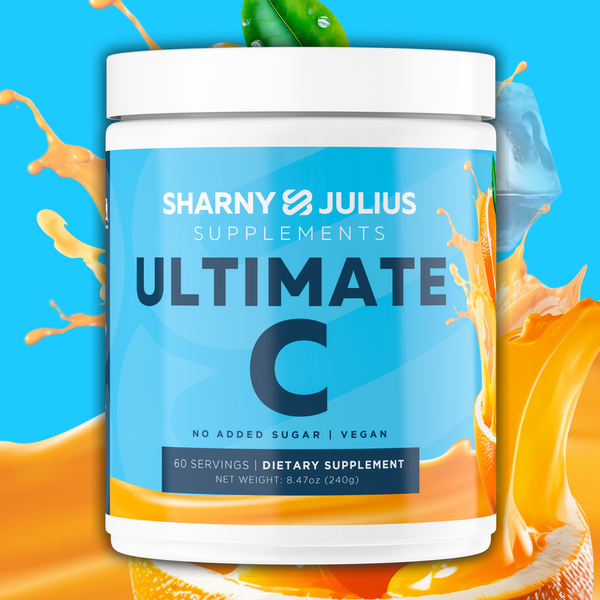
S&J Ultimate C
Triple-form vitamin C · Zero calories · Zero sugar · Family-safe
Why Managing Hay Fever and Seasonal Allergy Symptoms Affects Your Immunity
When exposed to seasonal allergens, your immune system releases histamine and inflammatory prostaglandins, creating the familiar symptoms of runny nose, itchy eyes, and congestion. This inflammatory cascade doesn't just affect your comfort—it depletes your vitamin C stores and weakens your overall immune defenses. Vitamin C acts as a natural antihistamine by directly breaking down histamine in your bloodstream and preventing its release from mast cells. According to research published in the Journal of Nutrition, vitamin C deficiency can increase histamine levels by up to 40%. The bioflavonoids quercetin and hesperidin, naturally found in citrus fruits, work synergistically with vitamin C to stabilize mast cells and prevent them from overreacting to pollen triggers. This is why seasonal allergy sufferers often feel more susceptible to colds and infections during allergy season—their immune systems are overwhelmed and under-supported.
What Actually Works for Allergy-Support Managing Hay Fever and Seasonal Allergy Symptoms
1. Start supplementing 4-6 weeks before your allergy season begins to build up your natural antihistamine defenses. 2. Rinse your nasal passages with saline solution twice daily to physically remove allergens before they trigger immune responses. 3. Keep windows closed during high pollen count days and shower after being outdoors to prevent allergen accumulation. 4. Choose a triple-form vitamin C supplement that combines ascorbic acid for potency, sodium ascorbate for quick absorption without stomach upset, and calcium ascorbate for sustained release—this gives you three different absorption pathways instead of relying on just one form. 5. Look for vitamin C enhanced with citrus bioflavonoids and rosehip extract, which provide natural quercetin and hesperidin to stabilize mast cells, plus zinc to support the 300+ enzymes your immune system needs to function properly. S&J Ultimate C delivers all of these in clinically meaningful amounts with zero sugar and zero calories, in a natural orange flavour that tastes like orange juice—making it easy for the whole family to build consistent allergy defenses.
Allergy-Support Managing Hay Fever and Seasonal Allergy Symptoms FAQ
Does vitamin C help with hay fever?
Yes, vitamin C acts as a natural antihistamine by reducing histamine levels in your blood and blocking inflammatory prostaglandins that cause hay fever symptoms. It also stabilizes mast cells to prevent overreaction to pollen and other seasonal allergens.
Can vitamin C replace antihistamines?
Vitamin C can significantly reduce allergy symptoms but shouldn't replace prescribed medications without consulting your doctor. Many people find vitamin C reduces their reliance on over-the-counter antihistamines, especially when started before allergy season begins.
What natural remedies work for seasonal allergies?
Vitamin C with bioflavonoids, quercetin, local honey, and saline nasal rinses are the most research-backed natural approaches. Vitamin C is particularly effective because it directly breaks down histamine and reduces inflammatory responses at the cellular level.
Upgrade Your Immunity
Don't let another allergy season leave you miserable and reaching for temporary fixes. Ultimate C's triple-form vitamin C gives you three absorption pathways for maximum antihistamine benefits, enhanced by citrus bioflavonoids and rosehip extract for mast cell stability, plus zinc for complete immune enzyme support—all in a zero-sugar, orange juice-tasting formula your whole family will actually want to take.
Shop Ultimate C