


Vitamin C concentrates in white blood cells at levels 80 times higher than in blood plasma, directly fueling their ability to fight infections and maintain immune surveillance throughout your body. This concentrated accumulation isn't accidental—white blood cells actively pump vitamin C inside because they need massive amounts to produce the reactive compounds that destroy pathogens and cellular debris.
If you've tried basic vitamin C tablets and wondered why you still get sick, it's likely because most supplements use only ascorbic acid, which your digestive system absorbs poorly in large doses. According to the National Institutes of Health, vitamin C absorption drops to just 50% when taking 1000mg of ascorbic acid alone. Your white blood cells can only use what actually makes it into your bloodstream—and single-form vitamin C leaves most of your immune system running on empty.
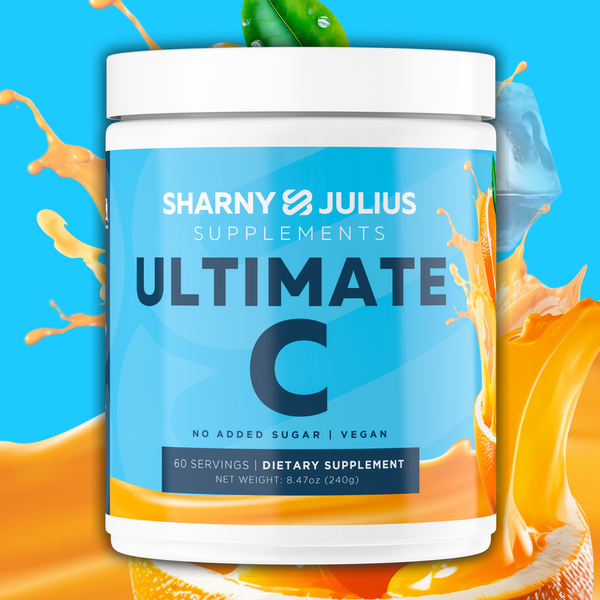
S&J Ultimate C
Triple-form vitamin C · Zero calories · Zero sugar · Family-safe
Why White Blood Cell Vitamin C Depletion Affects Your Immunity
Your white blood cells burn through vitamin C at an extraordinary rate during immune responses. Neutrophils—your first-line immune defenders—use vitamin C to generate hydrogen peroxide and other oxidizing compounds that literally dissolve bacteria and viruses on contact. This process consumes massive amounts of vitamin C, which is why your immune cells hoard it at concentrations 80 times higher than surrounding tissues.
When infection strikes, white blood cell vitamin C levels plummet within hours as these cells exhaust their reserves fighting pathogens. According to research published in the Journal of Nutritional Science, vitamin C levels in immune cells can drop by 90% during acute illness, leaving your body's defense system compromised just when you need it most. This depletion explains why people often experience prolonged recovery times or secondary infections—their white blood cells simply don't have enough vitamin C to maintain peak function throughout the entire immune response.
What Actually Works for Supporting White Blood Cell Function
Effective white blood cell support requires strategic vitamin C delivery that matches how your immune system actually functions:
1. Use multiple vitamin C forms simultaneously - Single ascorbic acid supplements create absorption bottlenecks. Your intestines can only absorb so much ascorbic acid at once, leaving white blood cells undersupplied when they need vitamin C most.
2. Take vitamin C with natural absorption enhancers - Citrus bioflavonoids increase vitamin C uptake and extend its activity in immune cells by protecting it from oxidation during the absorption process.
3. Support immune enzyme systems - White blood cells rely on zinc-dependent enzymes for proper maturation and signaling. Without adequate zinc, even vitamin C-loaded immune cells can't function optimally.
4. Choose gentle, stomach-friendly forms - Buffered forms like sodium ascorbate and calcium ascorbate prevent the gastric irritation that stops people from taking therapeutic doses consistently.
S&J Ultimate C combines all three vitamin C forms—ascorbic acid for potency, sodium ascorbate for rapid absorption, and calcium ascorbate for stomach comfort—creating multiple absorption pathways your digestive system can't overwhelm. Enhanced with citrus bioflavonoids and zinc for comprehensive immune support, it delivers clinically meaningful amounts your white blood cells can actually use.
White Blood Cell Vitamin C Support FAQ
Does vitamin C increase white blood cell count?
Vitamin C doesn't significantly increase white blood cell numbers, but dramatically improves their function and survival during immune responses. Well-nourished white blood cells with adequate vitamin C reserves work more effectively and last longer during infections, reducing the need for your bone marrow to constantly produce replacement cells.
How does vitamin C help white blood cells fight infection?
Vitamin C enables white blood cells to produce hydrogen peroxide and other reactive oxygen species that destroy pathogens on contact. It also protects white blood cells from oxidative damage during intense immune responses, allowing them to remain active longer and fight more effectively throughout the entire infection.
What depletes white blood cell vitamin C levels?
Active infections, chronic stress, smoking, and intense physical exercise rapidly deplete white blood cell vitamin C stores. During illness, vitamin C levels in immune cells can drop by 90% within hours as white blood cells consume their reserves producing pathogen-destroying compounds.
Upgrade Your Immunity
Your white blood cells need consistent, high-quality vitamin C to maintain the concentrated levels required for peak immune function. Ultimate C's triple-form blend delivers vitamin C through three different absorption pathways, enhanced by citrus bioflavonoids and supported by zinc for comprehensive immune enzyme function—all in a zero-sugar, naturally orange-flavored formula that tastes like orange juice and works for the whole family.
Shop Ultimate C