


Capsicum, particularly red bell peppers, contains approximately 190mg of vitamin C per 100g, making them one of the richest dietary sources of this essential nutrient. This surprisingly high content often catches people off guard, especially since we typically think of citrus fruits as the vitamin C champions. The vibrant red varieties contain nearly three times more vitamin C than oranges, while yellow and green capsicums offer progressively lower but still impressive amounts. However, there's a catch that many health-conscious individuals discover too late: cooking significantly reduces this vitamin C content, and relying solely on food sources can leave gaps in your immunity support, especially during challenging seasons when your body needs consistent, optimal levels.
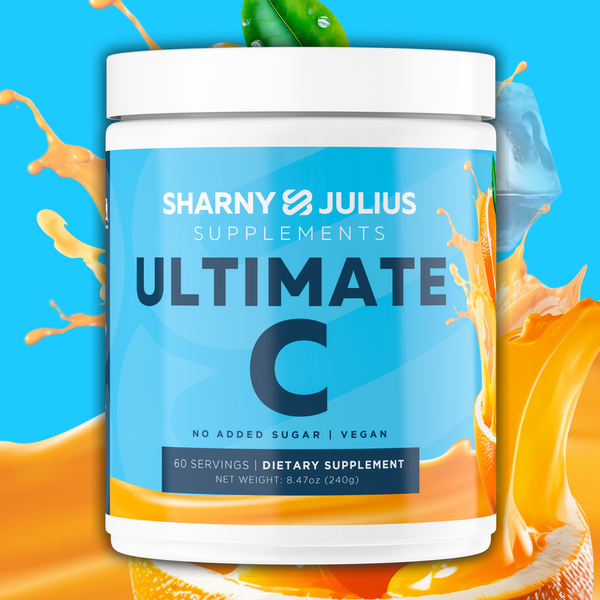
S&J Ultimate C
Triple-form vitamin C · Zero calories · Zero sugar · Family-safe
Why Learning That Capsicum Is High in Vitamin C Affects Your Immunity
When you discover capsicum's impressive vitamin C content, it often leads to a common nutrition trap: assuming you can meet all your vitamin C needs through food alone. According to the Journal of Food Composition and Analysis, red bell peppers lose up to 75% of their vitamin C content when cooked for just 5 minutes. This dramatic reduction means that your healthy stir-fries, roasted vegetables, or cooked capsicum dishes provide far less immunity support than you think. Additionally, vitamin C is water-soluble and rapidly eliminated from your body, requiring consistent replenishment throughout the day. While fresh, raw capsicum is excellent, most people struggle to consume enough raw vegetables daily to maintain optimal vitamin C levels, particularly during stress, illness, or seasonal challenges when your immune system demands significantly higher amounts for proper function and cellular protection.
What Actually Works for Maximising Capsicum's Vitamin C Benefits
1. Eat capsicum raw whenever possible — slice red bell peppers for snacks, add them to salads, or use them in fresh salsas to preserve maximum vitamin C content. 2. Choose red over green capsicums — the ripening process significantly increases vitamin C concentration, with red varieties containing nearly double the amount found in green peppers. 3. Store properly and consume quickly — vitamin C degrades rapidly after harvesting, so use fresh capsicums within a week and store them in the refrigerator to slow nutrient loss. 4. Supplement strategically with S&J Ultimate C's triple-form vitamin C — combining ascorbic acid for potency, sodium ascorbate for gentle absorption, and calcium ascorbate for stomach comfort ensures consistent intake regardless of your vegetable consumption. 5. Enhance absorption with bioflavonoids — Ultimate C includes citrus bioflavonoids that naturally occur alongside vitamin C in whole foods, plus rosehip extract and zinc to support immune enzyme function, delivering what capsicum provides plus optimised bioavailability in one delicious, natural orange-flavoured scoop.
Capsicum Vitamin C FAQ
How much vitamin C is in capsicum?
Red capsicum contains approximately 190mg of vitamin C per 100g, while yellow varieties contain about 120mg and green capsicums provide around 80mg per 100g. This makes red bell peppers one of the richest dietary sources of vitamin C, containing nearly three times more than oranges by weight.
Is capsicum better than oranges for vitamin C?
Yes, red capsicum contains significantly more vitamin C than oranges — approximately 190mg per 100g compared to oranges' 70mg per 100g. However, capsicum must be eaten raw to retain maximum vitamin C content, whereas oranges are naturally consumed fresh, making both valuable sources when used appropriately.
Does cooking capsicum destroy vitamin C?
Yes, cooking dramatically reduces capsicum's vitamin C content, with studies showing up to 75% loss after just 5 minutes of cooking. According to the American Journal of Clinical Nutrition, water-soluble vitamins like vitamin C are highly sensitive to heat, light, and water exposure during food preparation.
Upgrade Your Immunity
While capsicum is an excellent vitamin C source when eaten raw, consistent optimal intake requires a more reliable approach. Ultimate C's triple-form vitamin C with citrus bioflavonoids, rosehip extract, and zinc provides the absorption enhancement and immune support your body needs — one scoop daily tastes like orange juice and ensures your immunity stays strong regardless of your vegetable intake.
Shop Ultimate C