


Plant protein is better than whey because it delivers the same muscle-building amino acid profile without the digestive issues, bloating, and allergen risks that affect many whey users. Modern pea protein isolates now match whey's amino acid composition while eliminating dairy-related problems that can derail your fitness goals.
If you've been dealing with post-workout bloating, skin breakouts, or digestive discomfort from whey protein, you're not imagining things. According to the National Institute of Health, approximately 65% of adults worldwide have some degree of lactose intolerance, making whey protein problematic for the majority of users. The good news? You don't have to choose between digestive comfort and effective protein supplementation.
The shift toward plant-based proteins isn't just a trend—it's a recognition that optimal nutrition shouldn't come with uncomfortable side effects. When your protein powder causes bloating or digestive issues, it can actually hinder your recovery and training consistency.
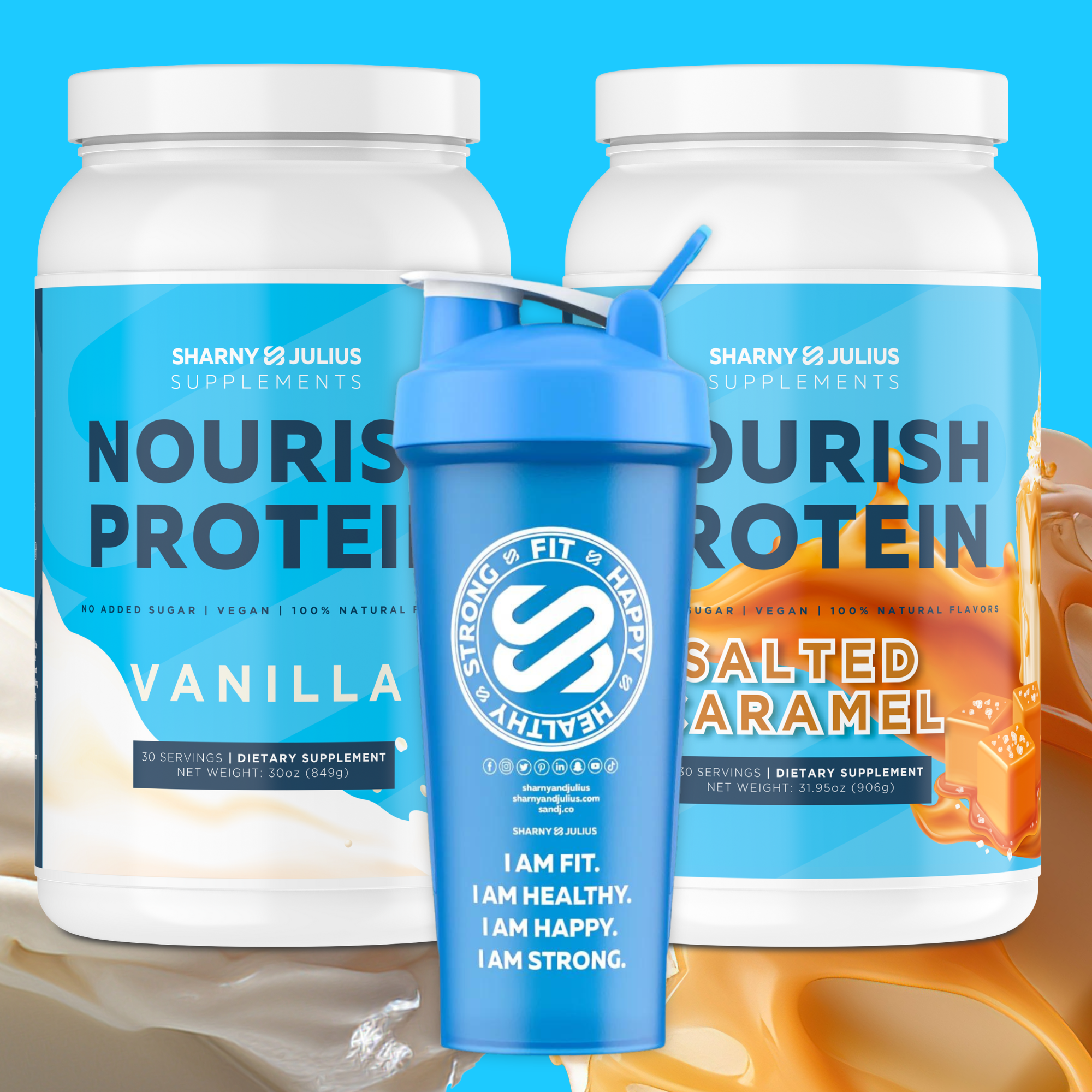
S&J Nourish™ Plant Protein
20g protein · All 9 EAAs · Free from all 9 allergens · NSF Certified
Why Digestive Comfort Matters for Your Fitness Goals
Your body can't effectively utilize protein if it's struggling to digest it. Whey protein contains lactose and dairy proteins that trigger inflammatory responses in sensitive individuals, leading to bloating, gas, and digestive distress. This inflammation doesn't just affect your gut—it can interfere with muscle recovery and nutrient absorption.
Plant protein eliminates these issues while delivering equivalent muscle-building benefits. High-quality pea protein isolate contains all nine essential amino acids, including a strong BCAA ratio that matches or exceeds whey protein. According to the Journal of the International Society of Sports Nutrition, pea protein produces similar increases in muscle thickness and strength gains compared to whey protein when consumed post-workout.
The key difference lies in bioavailability without the baggage. When you're not dealing with digestive inflammation, your body can focus its energy on muscle protein synthesis and recovery. This is why many athletes report better training consistency and recovery when switching from whey to high-quality plant proteins—they're getting the same anabolic benefits without the metabolic stress.
What to Look for in a Plant Protein for Muscle Building
Choosing the right plant protein requires focusing on specific quality markers that ensure you're getting whey-equivalent results:
1. Complete amino acid profile: Look for 20g+ of protein with all nine essential amino acids, particularly strong leucine content for muscle protein synthesis.
2. Allergen-free formulation: Choose proteins free from all major allergens (dairy, gluten, soy, nuts, eggs, fish, shellfish, sesame, wheat) to avoid inflammatory responses.
3. Third-party testing: NSF certification ensures every batch is tested for purity, label accuracy, and banned substances—critical for consistent results.
4. Zero digestive disruptors: Avoid proteins with fillers, gums, artificial sweeteners, or additives that can trigger bloating or digestive issues.
5. Real-world digestibility: Our S&J Nourish™ plant protein delivers 20g of pea protein isolate with all essential amino acids and a BCAA profile that matches whey, but 97% of customers report zero bloating. The smooth, creamy texture mixes instantly with just water—no blender needed, no chalky aftertaste.
Plant Protein vs Whey FAQ
Is plant protein really as good as whey?
Yes, high-quality pea protein isolate delivers the same amino acid profile and muscle-building benefits as whey. Modern plant proteins like pea isolate contain all nine essential amino acids with BCAA ratios that match or exceed whey protein, providing equivalent muscle protein synthesis without dairy-related digestive issues.
Why switch from whey to plant protein?
The primary reasons are eliminating digestive issues while maintaining muscle-building effectiveness. Plant protein removes bloating, acne, and inflammation triggered by dairy while delivering the same 20g complete protein profile. You get better digestive comfort without sacrificing performance or recovery benefits.
What are the disadvantages of whey protein?
Whey protein commonly causes bloating, digestive discomfort, and skin issues due to lactose and dairy proteins. It can trigger inflammatory responses in sensitive individuals, potentially hindering recovery. Whey also contains allergens that affect many users, while quality can vary significantly between manufacturers without consistent third-party testing.
Find Your Protein
If you're ready to eliminate post-workout bloating while maintaining your muscle-building results, Nourish™ delivers 20g of complete pea protein isolate with all nine essential amino acids, free from all major allergens, and NSF certified for purity. Available in Vanilla and Salted Caramel flavors that taste like a premium café treat—not a supplement compromise.
Shop Nourish