


Protein is crucial after exercise because it provides the essential amino acids needed to repair muscle fibres damaged during training, enabling them to rebuild stronger and larger. When you exercise, especially during resistance training, you create microscopic tears in muscle tissue that require protein to heal properly. According to the International Society of Sports Nutrition, consuming protein within the post-workout window can increase muscle protein synthesis by up to 50% compared to no protein intake. With so much conflicting advice about supplements and timing, it's smart that you're researching the real science behind post-workout nutrition. Understanding why your muscles need protein after training helps you make informed decisions about your recovery strategy.
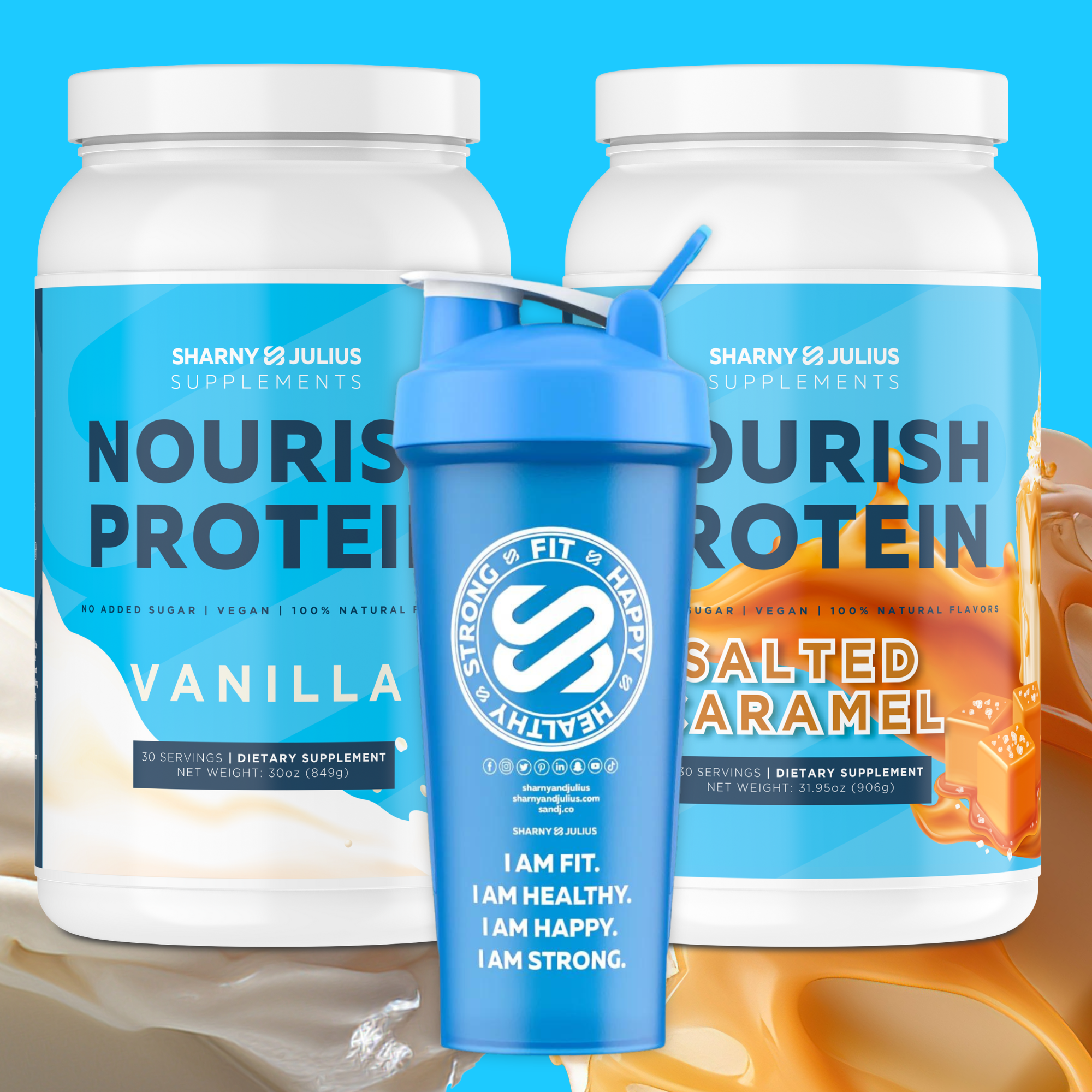
S&J Nourish™ Plant Protein
20g protein · All 9 EAAs · Free from all 9 allergens · NSF Certified
Why Protein Timing Matters for Recovery
Exercise creates controlled damage to muscle fibres through microscopic tears, particularly during resistance training or high-intensity workouts. Your body responds to this damage by activating muscle protein synthesis—the process of building new muscle proteins to repair and strengthen the tissue. This process requires all nine essential amino acids as building blocks, which your body cannot produce on its own. The post-workout window of 30-120 minutes is when muscle protein synthesis is elevated and most receptive to amino acid availability. According to research published in the Journal of the International Society of Sports Nutrition, the muscle-building response to protein is highest when consumed within two hours after exercise. Without adequate protein during this critical period, your body may break down existing muscle tissue to source the amino acids needed for repair, potentially undermining your training progress and leaving you weaker rather than stronger.
What to Look for in a Post-Workout Protein
Choose a protein that delivers results with these evidence-based criteria:
- Complete amino acid profile — Look for all 9 essential amino acids, especially the BCAAs (leucine, isoleucine, valine) that directly trigger muscle protein synthesis
- 20-25g per serving — This amount maximally stimulates muscle protein synthesis according to research
- Fast absorption — Avoid proteins that cause bloating or digestive issues when you need quick recovery
- Third-party testing — NSF certification ensures purity and label accuracy, especially important for serious athletes
- Clean ingredients — Zero artificial fillers, sweeteners, or allergens that can cause inflammation or digestive stress
S&J's S&J Nourish™ plant-based protein delivers exactly this: 20g of pea protein isolate with all 9 essential amino acids and a BCAA ratio that matches or exceeds whey. NSF certified for purity, free from all 9 major allergens, and 97% of customers report zero bloating—making it ideal for sensitive post-workout digestion.
Post-Workout Protein FAQ
How soon after a workout should I eat protein?
Within 30-120 minutes after exercise for optimal muscle protein synthesis. Research shows this post-workout window is when your muscles are most receptive to amino acids, though the effect gradually diminishes after 2 hours. Having protein readily available during this time maximises your training adaptations.
Is post-workout protein really necessary?
Yes, especially for muscle building and recovery goals. While your body can eventually repair muscle tissue without immediate post-workout protein, consuming it during the elevated synthesis window significantly enhances the process. This leads to better strength gains, reduced soreness, and improved training capacity.
Does timing of protein matter for muscle building?
Timing matters, but total daily protein intake matters more. The post-workout window provides an opportunity to maximise muscle protein synthesis when it's naturally elevated. However, spreading 20-40g of complete protein across meals throughout the day supports continuous muscle building and recovery.
Find Your Protein
You've done the research—now fuel your results with protein that works as hard as you do. Nourish™ delivers 20g of complete protein with all 9 essential amino acids, NSF certified purity, and zero bloating, available in Vanilla and Salted Caramel flavours that taste better than whey.
Shop Nourish