


Winter vitamin C foods include citrus fruits like oranges and grapefruits, cruciferous vegetables like Brussels sprouts and cabbage, root vegetables like potatoes, and preserved options like sauerkraut and frozen berries. However, many people struggle to get adequate vitamin C during winter months when fresh produce variety decreases and our immune systems face greater challenges. According to the National Health and Nutrition Examination Survey, nearly 7% of the US population is vitamin C deficient, with rates increasing during winter months when seasonal depression and reduced fresh food access compound the problem. The key isn't just knowing which foods contain vitamin C, but understanding how to maintain consistent, absorbable intake when your body needs it most.
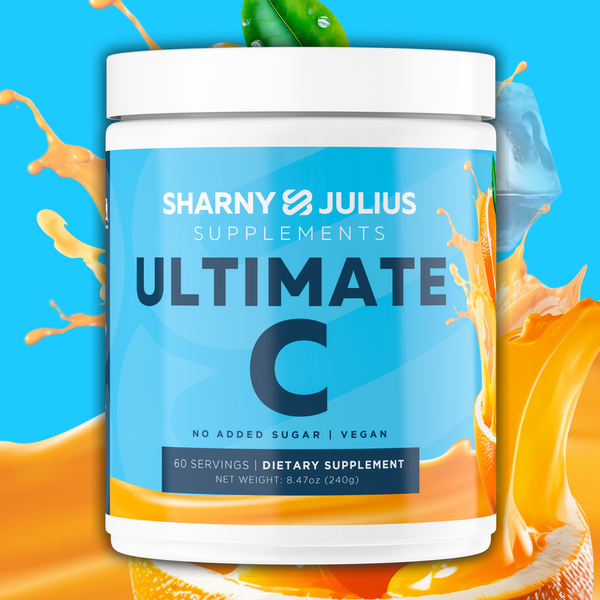
S&J Ultimate C
Triple-form vitamin C · Zero calories · Zero sugar · Family-safe
Why Concerned About Getting Enough Vitamin C During Winter Months Affects Your Immunity
Winter creates a perfect storm for vitamin C depletion. Cold weather reduces fresh produce variety in many regions, while heating systems dry out our respiratory passages and increase viral transmission rates. Your body burns through vitamin C faster during stress and illness, yet winter's shorter days and comfort food cravings often lead us away from vitamin C-rich foods. According to the Journal of the American College of Nutrition, vitamin C levels in plasma drop significantly during winter months, correlating with increased infection rates. The challenge isn't just eating enough vitamin C foods—it's absorption. Most people don't realize that vitamin C absorption decreases dramatically at higher doses, meaning that massive orange consumption or standard supplements often lead to expensive urine rather than immune protection. Your gut can only absorb about 200mg of standard ascorbic acid at once, making timing and form crucial for winter immunity.
What Actually Works for Food Sources Concerned About Getting Enough Vitamin C During Winter Months
1. Prioritize winter citrus varieties - oranges, grapefruits, and lemons peak during winter months, providing fresh vitamin C when you need it most. 2. Include cruciferous vegetables daily - Brussels sprouts, cabbage, and broccoli are winter vegetables packed with vitamin C and survive cold storage well. 3. Don't overlook potatoes and sweet potatoes - one medium baked potato provides 20mg of vitamin C plus sustained energy. 4. Bridge the gap with strategic supplementation - S&J Ultimate C combines three forms of vitamin C (ascorbic acid, sodium ascorbate, and calcium ascorbate) for multiple absorption pathways, ensuring your body actually uses it instead of eliminating it unused. 5. Enhance absorption naturally - Ultimate C includes citrus bioflavonoids that extend vitamin C activity in your body, plus rosehip extract for additional natural vitamin C and zinc for immune enzyme support. The natural orange flavor tastes like orange juice with zero calories and zero sugar, making it easy for the whole family to maintain consistent vitamin C levels throughout winter.
Food Sources Concerned About Getting Enough Vitamin C During Winter Months FAQ
What winter foods have vitamin C?
Citrus fruits (oranges, grapefruits, lemons), cruciferous vegetables (Brussels sprouts, cabbage, broccoli), potatoes, sweet potatoes, winter squash, and preserved foods like sauerkraut provide substantial vitamin C during winter months when fresh produce variety is limited.
How do I get vitamin C in winter?
Combine daily citrus fruits with winter vegetables like Brussels sprouts and potatoes, plus strategic supplementation with bioavailable forms. Focus on consistent intake rather than megadoses, as absorption decreases with larger amounts consumed at once.
Do we need more vitamin C in winter?
Yes, winter increases vitamin C needs due to cold stress, reduced sunlight affecting immune function, higher infection rates, and limited fresh produce access. Your body also uses vitamin C faster during illness and stress.
Upgrade Your Immunity
When winter's challenges make consistent vitamin C intake difficult, Ultimate C ensures your family gets what you need. Our triple-form vitamin C provides three absorption pathways enhanced by citrus bioflavonoids and rosehip extract, plus immune-supporting zinc—all with zero sugar, zero calories, and a natural orange taste kids love.
Shop Ultimate C