


Natural vs Synthetic Vitamin C — Chemically identical compounds where both natural and synthetic ascorbic acid have the same molecular structure (C₆H₈O₆) and bioavailability, meaning your body processes them identically. What impacts absorption more significantly are the accompanying cofactors, delivery forms, and absorption enhancers.
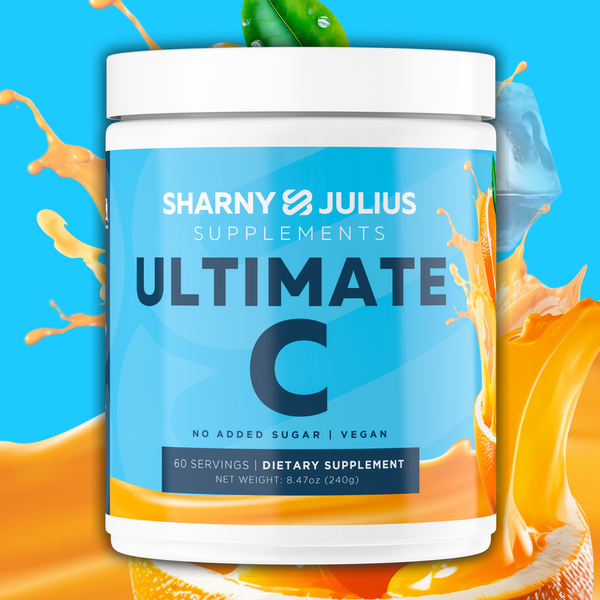
S&J Ultimate C
Triple-form vitamin C · Zero calories · Zero sugar · Family-safe
How Natural vs Synthetic Works
The fundamental truth about vitamin C is that ascorbic acid molecules are chemically identical whether extracted from an orange or synthesized in a laboratory. According to research published in the American Journal of Clinical Nutrition, both forms demonstrate equivalent bioavailability, with plasma vitamin C levels rising identically after consumption. The confusion often stems from marketing claims, but at the molecular level, your intestinal transporters—specifically SVCT1 and SVCT2 proteins—cannot distinguish between natural and synthetic ascorbic acid.
However, natural vitamin C sources do offer additional compounds called bioflavonoids, including quercetin and rutin, which may enhance absorption. A study published in the Journal of Agricultural and Food Chemistry found that bioflavonoids can increase vitamin C retention in tissues by up to 35%. Yet when synthetic vitamin C is combined with these same cofactors or formulated in different chemical forms like sodium ascorbate or calcium ascorbate, it can achieve similar or superior absorption rates. The key lies not in the source, but in the delivery mechanism and accompanying nutrients.
Why Natural vs Synthetic Matters for Your Health
Understanding this distinction matters because it affects both your supplement choices and budget. Research from the National Institutes of Health shows that the recommended daily intake of 90mg for men and 75mg for women can be met equally well through either source. Natural vitamin C supplements often cost 3-5 times more than synthetic versions despite delivering equivalent nutritional value.
The real advantage comes from choosing the right form and dosage rather than focusing on source. According to the Linus Pauling Institute, vitamin C absorption decreases significantly at higher doses—while 200mg doses show 90% absorption, 1000mg doses drop to just 65% absorption. This makes the delivery system and chemical form more critical than whether the ascorbic acid originated from acerola cherries or a laboratory synthesis.
Practical Takeaways
- Save money by choosing high-quality synthetic vitamin C over expensive "natural" versions—both provide identical ascorbic acid molecules
- Look for multiple forms in one supplement, such as ascorbic acid combined with sodium ascorbate or calcium ascorbate for better absorption and stomach comfort
- Take doses of 200-500mg rather than mega-doses, as the NIH confirms absorption efficiency drops dramatically above 500mg
- Consider timing: split larger doses throughout the day since vitamin C has a half-life of approximately 30 minutes in blood plasma
- If choosing natural sources, focus on whole foods like bell peppers (190mg per cup) or strawberries (85mg per cup) rather than expensive natural supplements
- Check for pharmaceutical-grade manufacturing standards regardless of natural or synthetic origin to ensure purity and potency
This is why effective vitamin C supplements focus on combining multiple bioavailable forms rather than emphasizing natural versus synthetic origins—like formulations that pair pharmaceutical-grade ascorbic acid with buffered forms for optimal absorption and comfort.