


History of Vitamin C spans over 400 years of scientific discovery, from British Navy surgeon James Lind's 1747 scurvy prevention trials using citrus fruits to Albert Szent-Györgyi's 1937 Nobel Prize for isolating ascorbic acid, establishing vitamin C as one of the most extensively researched nutrients in human health.
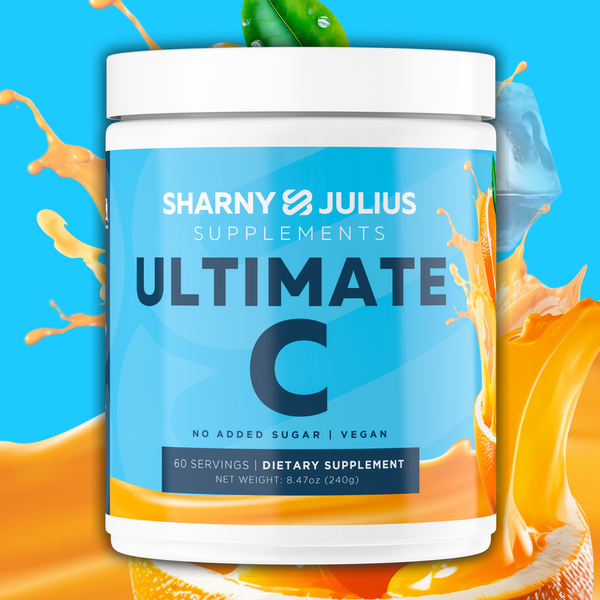
S&J Ultimate C
Triple-form vitamin C · Zero calories · Zero sugar · Family-safe
How Vitamin C's Discovery Unfolded
The history of vitamin C begins with one of humanity's deadliest nutritional diseases. According to historical records from the British Navy, scurvy killed more sailors than warfare between the 16th and 18th centuries, claiming an estimated two million lives. The breakthrough came in 1747 when Scottish surgeon James Lind conducted the first controlled clinical trial in history, giving different treatments to scurvy-afflicted sailors. Those receiving oranges and lemons recovered within six days, though it took the British Navy another 40 years to mandate citrus rations.
The scientific understanding accelerated in the 20th century. Hungarian biochemist Albert Szent-Györgyi isolated the "anti-scorbutic factor" from adrenal glands and paprika in 1928, later identified as L-ascorbic acid. Research published in the Journal of Biological Chemistry in 1932 established that humans, unlike most animals, cannot synthesize vitamin C due to a genetic mutation that renders the enzyme L-gulonolactone oxidase non-functional. This discovery explained why humans require dietary sources of this essential nutrient, while animals like dogs and cats produce their own supply internally.
Why Vitamin C History Matters for Your Health
Understanding vitamin C's discovery reveals why this nutrient remains critical for modern health. The historical research established that vitamin C is essential for collagen synthesis, involving the hydroxylation of proline and lysine amino acids to form hydroxyproline and hydroxylysine. According to the National Institutes of Health, severe vitamin C deficiency can develop within one to three months of inadequate intake, leading to fatigue, joint pain, and impaired immune function.
Linus Pauling's controversial but influential research in the 1970s, detailed in his book "Vitamin C and the Common Cold," sparked decades of immune system studies. A 2013 review published in the Cochrane Database found that while regular vitamin C supplementation doesn't prevent colds in the general population, it reduces cold duration by approximately 8% in adults and 14% in children, validating aspects of Pauling's earlier hypotheses about immune support.
Practical Takeaways
- The World Health Organization recommends 90mg daily for adult men and 75mg for adult women, based on historical deficiency studies
- Smokers require an additional 35mg daily due to increased oxidative stress, as established by research from the 1990s
- Fresh citrus fruits, the original scurvy cure, provide 50-60mg of vitamin C per medium orange
- Cooking destroys vitamin C, explaining why sailors eating preserved foods developed scurvy while those consuming fresh citrus recovered
- Stress increases vitamin C requirements, a discovery from 1940s adrenal gland research that remains relevant today
- The body can only absorb approximately 200mg of vitamin C at once, with excess amounts excreted through urine
Modern vitamin C formulations like S&J Ultimate C incorporate lessons from this rich history, combining multiple forms including gentle sodium ascorbate and stomach-friendly calcium ascorbate alongside traditional ascorbic acid for optimal absorption and comfort.