


Plant Protein vs Whey Protein — a comparison of plant-based and dairy-based protein sources covering absorption, digestion, allergens, and muscle-building effectiveness. Plant proteins are derived from sources like peas, rice, and soy, while whey is a dairy byproduct of cheese production. Both can support muscle growth, but they differ meaningfully in digestibility, allergen profile, and nutrient composition.
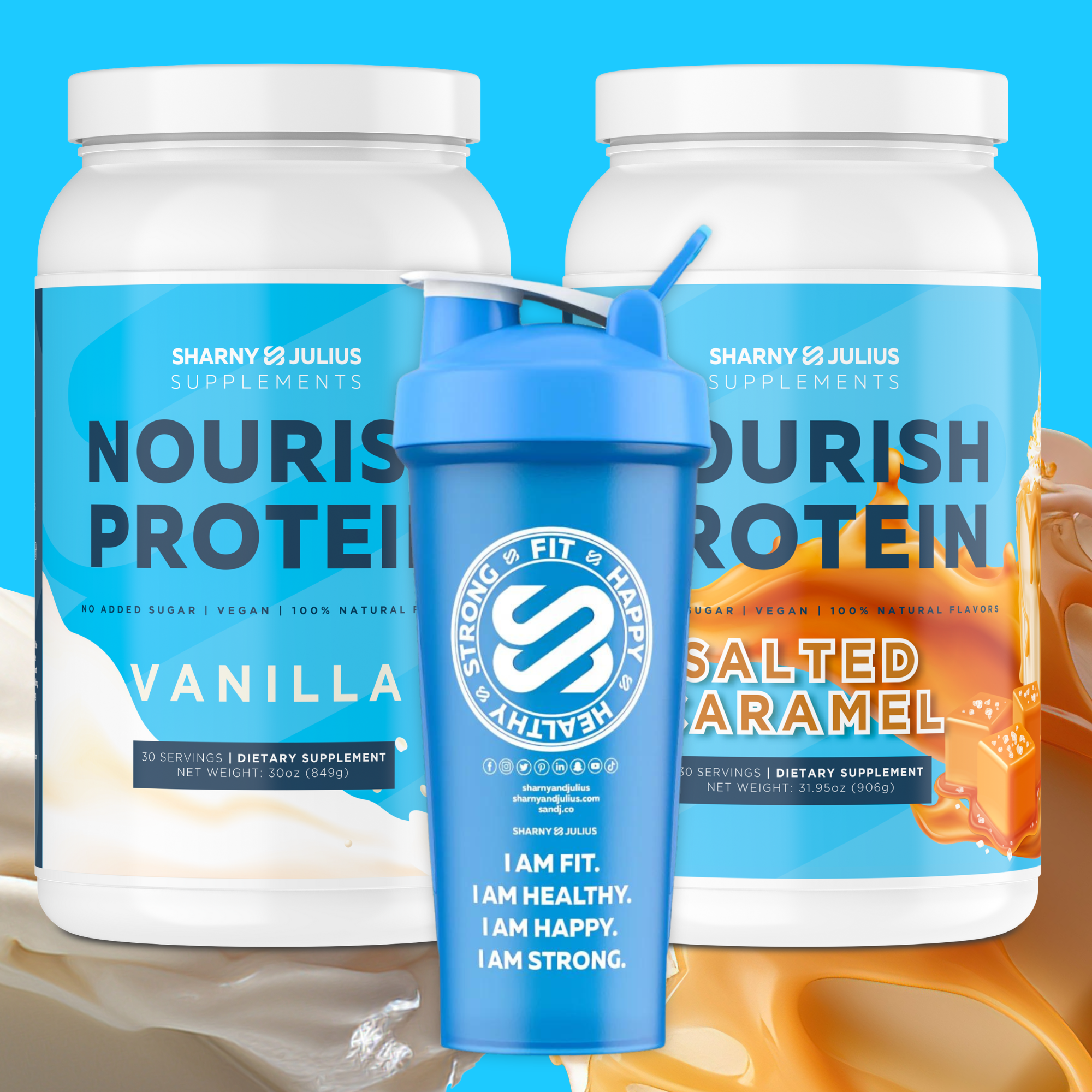
S&J Nourish™ Plant Protein
20g protein · All 9 EAAs · Free from all 9 allergens · NSF Certified
How Plant Protein and Whey Compare
The core difference between plant and whey protein begins at the molecular level. Whey protein is a fast-digesting dairy protein that reaches peak blood amino acid concentration within 60-90 minutes of ingestion. It scores a perfect 1.0 on the protein digestibility-corrected amino acid score (PDCAAS) scale and is naturally high in leucine, the amino acid most responsible for triggering muscle protein synthesis. A typical 25-gram serving of whey protein isolate delivers approximately 2.5 grams of leucine.
Plant proteins, particularly pea protein isolate, digest more gradually, with amino acids entering the bloodstream over a 2-4 hour window. According to a 2019 study in the Journal of the International Society of Sports Nutrition, this slower absorption did not reduce muscle-building outcomes: participants supplementing with pea protein achieved muscle thickness gains equivalent to those using whey over 12 weeks of resistance training. Research published in the journal Sports Medicine (2021) confirmed that when total daily protein and leucine intake are matched, plant and animal protein sources produce comparable rates of muscle protein synthesis.
Digestive tolerance is where the two diverge most sharply. According to the National Institutes of Health, approximately 68% of the global population has some degree of lactose malabsorption. Whey protein concentrate retains residual lactose that can cause bloating, gas, and cramping in these individuals. Plant proteins are naturally lactose-free and typically free from all major allergens, making them a practical choice for sensitive digestive systems.
Why Your Protein Source Matters
Selecting the right protein type affects not only muscle recovery but also long-term digestive health and dietary sustainability. For individuals with lactose intolerance, dairy allergies, or IBS, whey protein can cause chronic digestive distress that undermines consistency and overall well-being. A 2020 survey published in the journal Nutrients found that digestive discomfort was the most frequently cited reason people discontinued protein supplementation.
From a broader health perspective, a 2020 meta-analysis in the British Medical Journal reported that substituting 3% of daily calories from animal protein with plant protein was associated with a 5% lower risk of all-cause mortality. Plant proteins also tend to deliver additional micronutrients and phytocompounds absent from whey, including iron, fiber, and antioxidants. However, whey remains a strong option for those who tolerate dairy well and prioritize rapid post-workout amino acid delivery.
Practical Takeaways
- Choose plant protein if you experience bloating, gas, or discomfort with dairy, or if you manage lactose intolerance, dairy allergy, or IBS.
- If you tolerate dairy well and want the fastest possible amino acid delivery post-workout, whey protein isolate (not concentrate) minimizes lactose content while maximizing absorption speed.
- Look for plant proteins delivering at least 20 grams of protein per serving with a complete amino acid profile including all nine essential amino acids.
- The International Society of Sports Nutrition recommends 1.4-2.0 grams of protein per kilogram of body weight daily for active individuals, regardless of protein source.
- Verify third-party certifications such as NSF Certified for Sport to ensure label accuracy and absence of contaminants, which matters for both plant and whey products.
For those who prefer plant-based protein, S&J Nourish™ by S&J Luxury Fitness provides 20g of pea protein isolate with all nine essential amino acids, NSF Certification, and freedom from all eight major allergens.