


Powder vs Tablet Vitamins — Powdered supplements dissolve faster, absorb more efficiently, and avoid the binders, fillers, and coatings required in tablet manufacturing — with better compliance for families and individuals who have difficulty swallowing pills.
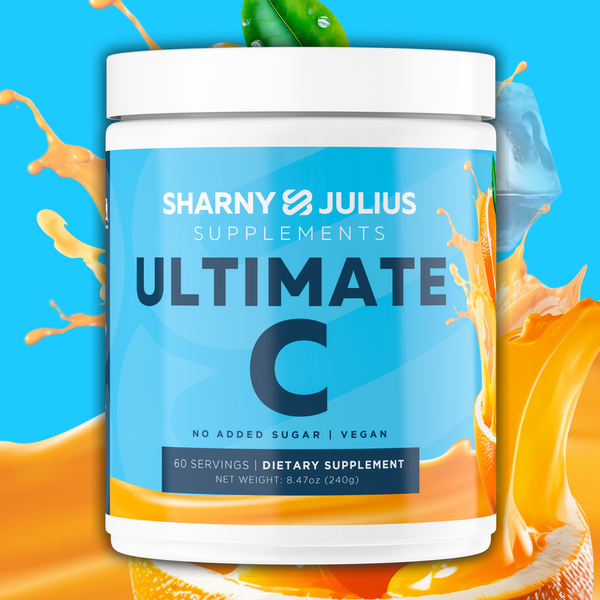
S&J Ultimate C
Triple-form vitamin C · Zero calories · Zero sugar · Family-safe
How Powder vs Tablet Works
The fundamental difference between powder and tablet vitamins lies in bioavailability and absorption speed. Powdered supplements begin dissolving immediately upon contact with saliva and stomach acid, creating a larger surface area for nutrient absorption in the small intestine. According to research published in the Journal of Pharmaceutical Sciences, liquid and powder formulations can achieve up to 98% bioavailability compared to 10-20% for some compressed tablets.
Tablets require additional manufacturing steps that can impact nutrient integrity. They contain binding agents like microcrystalline cellulose, disintegrants such as croscarmellose sodium, and coating materials including hydroxypropyl methylcellulose. A study in the International Journal of Pharmaceutics found that tablet compression forces of 10-15 kiloNewtons can reduce the stability of certain vitamins, particularly ascorbic acid, by up to 15% during the manufacturing process.
The dissolution process also differs significantly. Research from the American Journal of Clinical Nutrition shows that powdered vitamin C reaches peak plasma concentrations within 2-3 hours, while tablet forms may require 4-6 hours for complete dissolution and absorption, particularly in individuals with reduced stomach acid production.
Why Powder vs Tablet Matters for Your Health
Supplement form directly impacts therapeutic effectiveness and daily compliance. The National Institutes of Health reports that approximately 40% of adults have difficulty swallowing tablets, leading to poor supplement adherence and suboptimal nutrient status. This is particularly significant for elderly individuals and children, where consistent vitamin intake supports immune function and developmental needs.
Powder formulations eliminate common absorption barriers. According to the Mayo Clinic, individuals with digestive conditions like gastroparesis or reduced stomach acid production achieve better nutrient uptake from pre-dissolved supplements. Additionally, powders allow for precise dosage adjustment, which is crucial when titrating nutrients like vitamin C for individual tolerance levels. Research published in Nutrients journal demonstrates that divided doses of powdered vitamin C throughout the day maintain more consistent plasma levels compared to single large tablet doses.
Practical Takeaways
- Choose powdered supplements if you have difficulty swallowing pills or digestive sensitivities that affect nutrient absorption
- Mix powder supplements with 8-12 ounces of water for optimal dissolution, as recommended by the American Pharmacists Association
- Store powdered vitamins in cool, dry conditions with tight-fitting lids to prevent moisture absorption and nutrient degradation
- Consider powder forms for nutrients requiring higher doses, such as vitamin C (1000mg+) or magnesium (400mg+), where multiple tablets would be necessary
- Take powdered supplements within 30 minutes of mixing to ensure maximum potency and prevent oxidation of sensitive nutrients
- Look for products without artificial fillers, as powders naturally require fewer inactive ingredients than compressed tablets
This is why our S&J Ultimate C uses a triple-form powder format, combining three different types of vitamin C for enhanced absorption while eliminating the binders and coatings that tablets require.