


Third-party supplement testing is independent laboratory analysis that verifies a supplement's ingredients, purity, potency, and safety beyond what the manufacturer tests itself. These external audits ensure what is on the label matches what is in the product, protecting consumers from contamination and mislabeling.
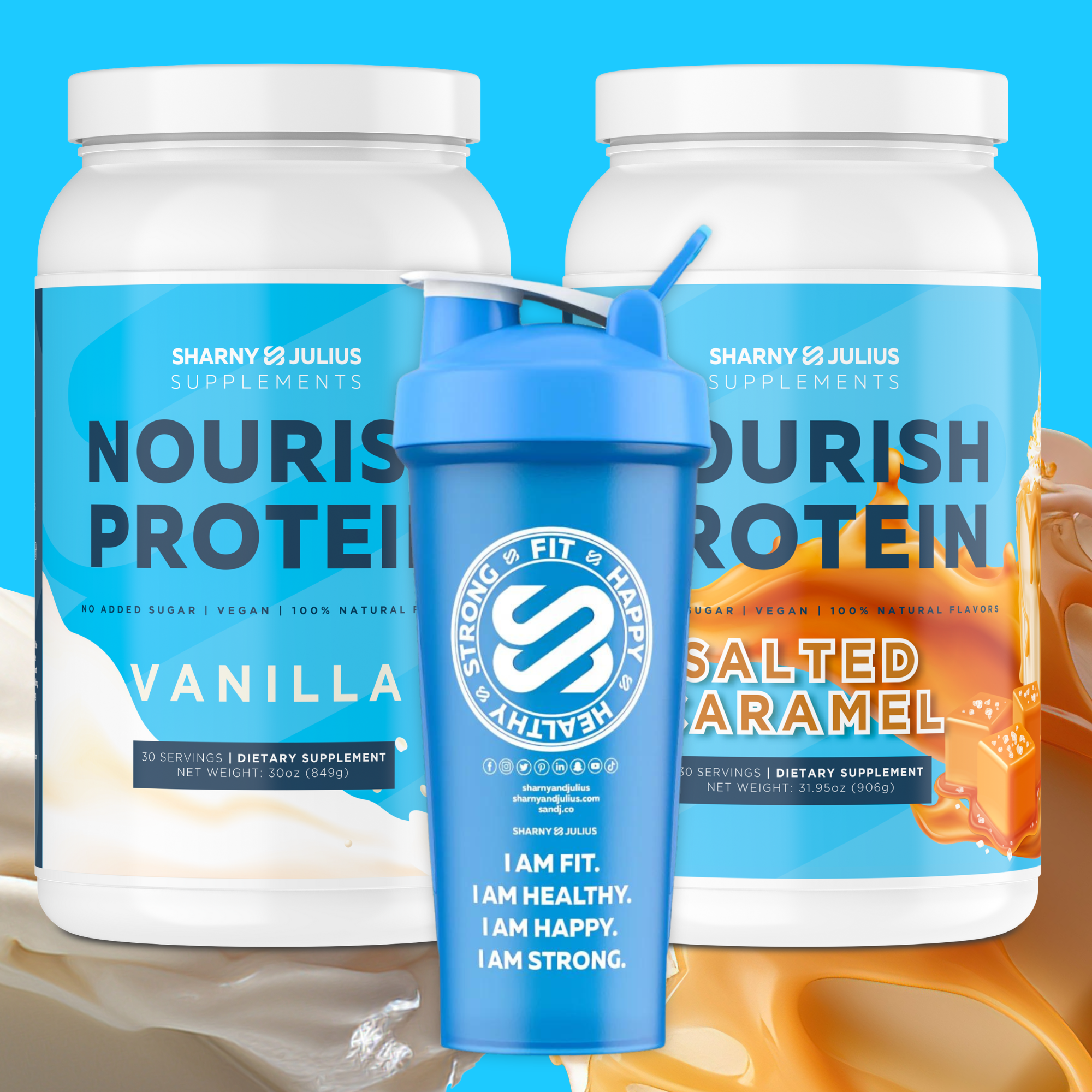
S&J Nourish™ Plant Protein
20g protein · All 9 EAAs · Free from all 9 allergens · NSF Certified
How Third-Party Supplement Testing Works
Third-party testing involves sending supplement samples to accredited, independent laboratories that have no financial relationship with the manufacturer. These labs run a battery of analytical tests including high-performance liquid chromatography (HPLC), mass spectrometry, and microbial assays to verify ingredient identity, potency, and purity.
The process typically checks for three things: label accuracy, contaminant screening, and potency verification. Label accuracy confirms that the product contains what it claims in the amounts stated. Contaminant screening tests for heavy metals (lead, mercury, arsenic, cadmium), pesticide residues, microbial pathogens, and banned substances. Potency verification ensures active ingredients meet their stated dosages.
Major third-party certification bodies include NSF International, USP (United States Pharmacopeia), and Informed Sport. According to NSF International, products bearing their Certified for Sport mark undergo rigorous testing that screens for more than 290 substances banned by major athletic organizations (NSF International, 2023). A study published in the Journal of the International Society of Sports Nutrition found that approximately 15% of supplements tested contained undeclared ingredients or failed to meet label claims when not subject to third-party oversight (JISSN, 2018). This gap between labeled and actual content demonstrates why independent verification is essential for consumer safety.
Why Third-Party Supplement Testing Matters for Your Health
The dietary supplement industry in the United States is regulated under the Dietary Supplement Health and Education Act (DSHEA) of 1994, which does not require pre-market approval from the FDA. This means supplements can reach store shelves without proving they contain what they claim or that they are free from contaminants.
This regulatory gap has real consequences. An investigation by the New York State Attorney General found that four out of five herbal supplements tested from major retailers did not contain the herbs listed on their labels (NY Attorney General, 2015). Third-party testing closes this gap by providing an independent verification layer. For athletes, the stakes are even higher since contaminated supplements are one of the leading causes of inadvertent doping violations.
Beyond safety, third-party testing ensures you are getting the potency you are paying for. If a protein powder claims 20 grams of protein per serving but actually delivers 14 grams, your nutrition plan falls short without you knowing. Independent testing holds manufacturers accountable to their label promises.
Practical Takeaways
- Always look for a recognized third-party certification logo (NSF, USP, Informed Sport) on supplement packaging before purchasing.
- Verify certifications directly on the certifying body's website, as some brands display outdated or fraudulent certification marks.
- NSF Certified for Sport screens for more than 290 banned substances, making it the gold standard for competitive athletes.
- Be cautious of products that claim to be "lab tested" without specifying an independent, named laboratory or certification body.
- Check for lot-specific testing results. Reputable brands publish certificates of analysis (COAs) for each production batch.
- Remember that FDA registration is not the same as FDA approval. Supplement facilities may be registered but their products are not pre-approved for safety or efficacy.
S&J Nourish™ by S&J Luxury Fitness carries NSF Certification, meaning every batch is independently tested for purity, potency, and banned substance screening. Details are available on the Nourish™ product page.