


Satiety and appetite control describes how protein triggers hormones like GLP-1 and PYY that signal fullness to your brain, reducing cravings and supporting healthy weight management. Higher protein intake consistently ranks as one of the most effective dietary strategies for naturally regulating hunger without calorie counting.
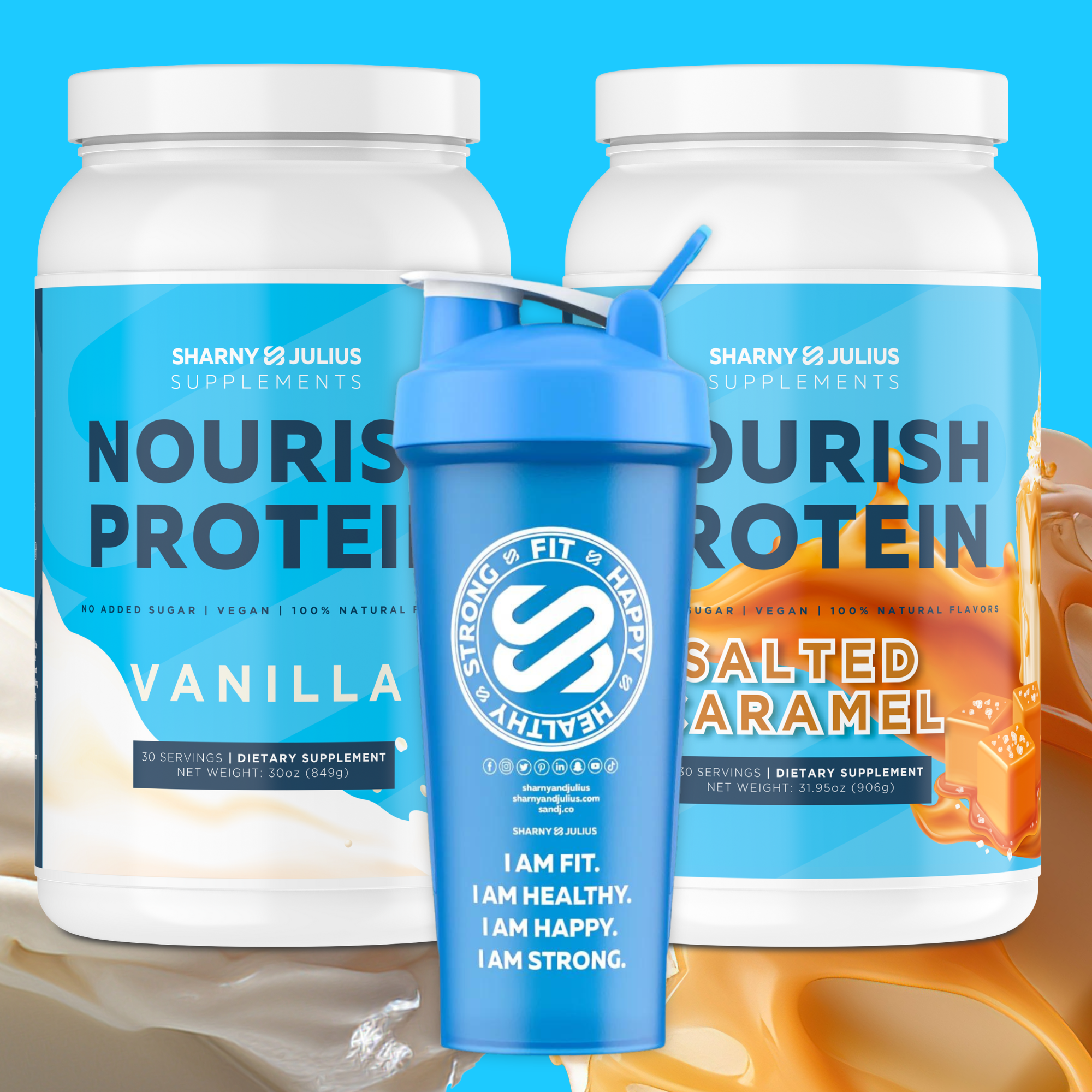
S&J Nourish™ Plant Protein
20g protein · All 9 EAAs · Free from all 9 allergens · NSF Certified
How Protein Controls Appetite
When you consume protein, it activates a cascade of hormonal signals that communicate fullness to your brain. The two primary satiety hormones are glucagon-like peptide-1 (GLP-1) and peptide YY (PYY), both released from cells in your small intestine in response to protein digestion. These hormones travel to the hypothalamus, the brain's appetite regulation center, where they suppress hunger signals and slow gastric emptying.
Protein is the most satiating macronutrient compared to carbohydrates and fats. A landmark study published in the American Journal of Clinical Nutrition found that increasing protein intake from 15% to 30% of total calories led participants to consume an average of 441 fewer calories per day without any intentional dietary restriction (AJCN, Weigle et al., 2005). This reduction occurred naturally because participants felt fuller for longer between meals.
The thermic effect of food also plays a role. Your body uses 20-30% of protein's caloric energy just to digest and metabolize it, compared to only 5-10% for carbohydrates and 0-3% for fats (Journal of the American College of Nutrition, 2004). This means protein not only keeps you fuller but also costs more energy to process, creating a double advantage for appetite management. Plant-based proteins like pea protein have been shown to produce comparable satiety responses to animal proteins, with one study in Food and Nutrition Research reporting no significant difference in fullness ratings between pea and whey protein meals (Food and Nutrition Research, 2012).
Why Satiety Matters for Weight Management
Sustainable weight management depends on controlling hunger rather than fighting it. Diets that leave you chronically hungry are physiologically difficult to maintain because your body interprets persistent hunger as a threat and increases cravings through hormonal compensation. Leveraging protein's natural satiety effect aligns your biology with your goals instead of working against it.
Research from the Journal of the Academy of Nutrition and Dietetics found that individuals who consumed at least 25-30 grams of protein per meal reported 25% fewer between-meal cravings and were significantly less likely to snack late at night compared to those eating lower-protein meals (J Acad Nutr Diet, 2014). This consistent meal-to-meal fullness prevents the energy dips and reactive overeating that derail long-term weight management plans.
Protein-driven satiety is also particularly valuable during caloric deficits. When you reduce overall calories, protein helps preserve lean muscle mass while keeping hunger manageable, protecting your metabolic rate during weight loss.
Practical Takeaways
- Aim for 25-30 grams of protein at each meal to maximize the satiety hormone response.
- Consume protein within the first 15-20 minutes of a meal to activate GLP-1 and PYY signaling before you overeat.
- Include a protein-rich snack (15-20 grams) between meals if you experience afternoon energy crashes or cravings.
- Pair protein with fiber-rich foods to extend the feeling of fullness, since fiber slows gastric emptying alongside protein.
- Choose complete protein sources that contain all nine essential amino acids for optimal hormonal signaling and muscle preservation.
- Track your hunger levels on a 1-10 scale before and after protein-rich meals for one week to observe your personal satiety patterns.
S&J Nourish™ by S&J Luxury Fitness delivers 20 grams of pea protein isolate with all nine essential amino acids per serving, providing a convenient way to add satiating protein to meals or snacks. Learn more at the Nourish™ product page.