


Vitamin C Daily Intake — How much vitamin C you need daily varies by age, sex, and lifestyle factors. The Recommended Dietary Allowance (RDA) ranges from 75-90mg for healthy adults, but smokers need an additional 35mg daily, and individuals under stress or illness may benefit from higher therapeutic doses of 200-1000mg.
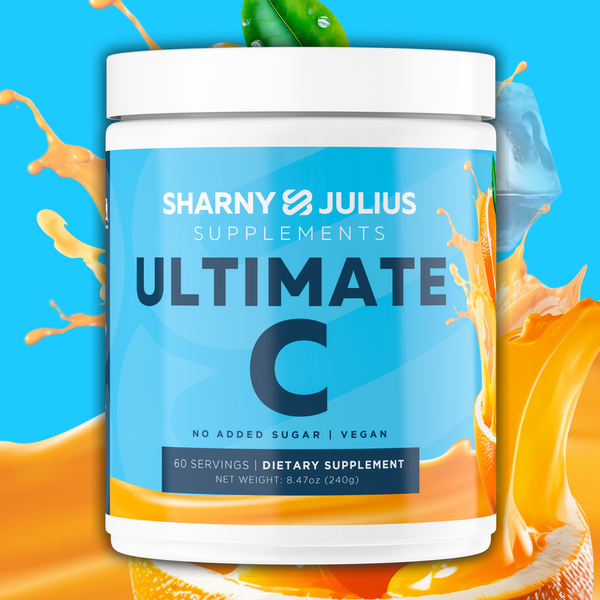
S&J Ultimate C
Triple-form vitamin C · Zero calories · Zero sugar · Family-safe
How Vitamin C Daily Requirements Work
Your body's vitamin C requirements depend on multiple physiological factors because ascorbic acid serves as a cofactor in over 300 enzymatic reactions. According to the National Institutes of Health, adult men require 90mg daily while women need 75mg, but these baseline amounts increase significantly under certain conditions. The Institute of Medicine established that smokers need an additional 35mg daily because tobacco smoke increases oxidative stress and depletes vitamin C stores more rapidly.
Vitamin C absorption follows a saturation curve in your intestines, with peak absorption occurring at doses around 200mg. Research published in the American Journal of Clinical Nutrition shows that plasma vitamin C concentrations plateau at daily intakes of approximately 400mg in healthy adults. Your body maintains vitamin C homeostasis through sodium-dependent vitamin C transporters (SVCT1 and SVCT2), which regulate uptake in tissues like the adrenal glands, brain, and immune cells where concentrations can be 10-100 times higher than blood levels.
Why Vitamin C Daily Matters for Your Health
Meeting your daily vitamin C requirements directly impacts your immune function, collagen synthesis, and antioxidant protection. Vitamin C is essential for producing collagen through its role in hydroxylating proline and lysine amino acids, making adequate intake crucial for wound healing, joint health, and skin integrity. According to research from Harvard Medical School, maintaining optimal vitamin C levels can reduce the duration of common cold symptoms by 8% in the general population and up to 50% in individuals under extreme physical stress.
The antioxidant properties of vitamin C become particularly important during periods of increased oxidative stress from intense exercise, illness, or environmental toxins. A study published in the Journal of the International Society of Sports Nutrition found that athletes consuming 200mg of vitamin C daily showed improved recovery markers and reduced exercise-induced oxidative damage compared to those meeting only the basic RDA.
Practical Takeaways
- Adults should aim for 75-90mg daily as a baseline, with men requiring slightly more than women according to NIH guidelines
- Add 35mg to your daily intake if you smoke, as recommended by the Institute of Medicine
- Consider 200-500mg during periods of stress, illness, or intense training based on research showing enhanced immune benefits
- Divide larger doses throughout the day since your body absorbs vitamin C more efficiently in smaller amounts
- Monitor for signs of deficiency including slow wound healing, frequent infections, or easy bruising
- The upper tolerable limit is 2000mg daily for adults, above which digestive upset may occur
For those seeking higher therapeutic doses, supplements combining multiple forms of vitamin C like ascorbic acid, sodium ascorbate, and calcium ascorbate can provide enhanced absorption and stomach comfort compared to single-form products.