


Vitamin C and Immune Function refers to how this essential vitamin supports immune system health by stimulating white blood cell production, enhancing antibody response, and acting as a powerful antioxidant that protects cells from pathogen-induced damage while supporting the body's natural defense mechanisms.
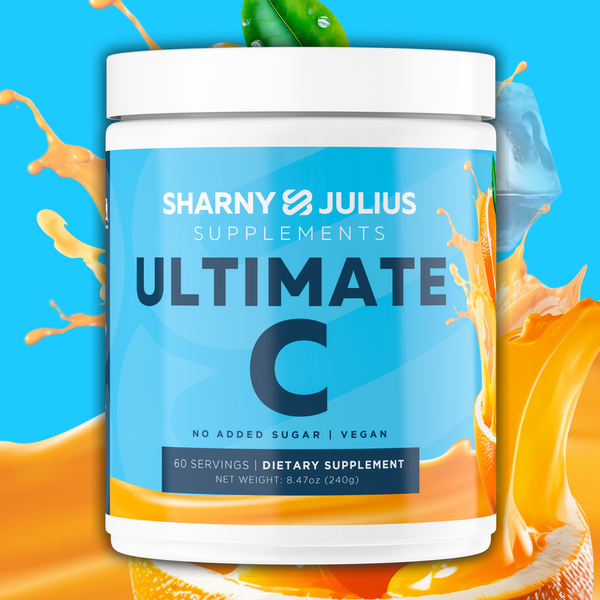
S&J Ultimate C
Triple-form vitamin C · Zero calories · Zero sugar · Family-safe
How Vitamin C Supports Immune Function
Vitamin C enhances immune function through multiple cellular mechanisms that work together to strengthen your body's defenses. The vitamin stimulates the production and function of leucocytes (white blood cells), particularly neutrophils, lymphocytes, and phagocytes, which are your immune system's first responders against infections. According to research published in the Journal of the International Society of Sports Nutrition, vitamin C supplementation increases neutrophil motility by up to 20%, improving these cells' ability to reach and eliminate pathogens.
The vitamin also plays a crucial role in collagen synthesis, producing approximately 300 million collagen molecules that strengthen epithelial barriers in your skin and mucous membranes—your body's first line of defense against invading microorganisms. Additionally, vitamin C acts as a potent antioxidant, protecting immune cells from oxidative stress during the inflammatory response. Research from the National Institutes of Health shows that vitamin C can reduce the duration of common cold symptoms by 8-14% in the general population, with even greater benefits observed in individuals under physical stress.
Why Vitamin C and Immune Function Matters for Your Health
Optimal vitamin C levels are critical because your immune system's effectiveness directly impacts your energy levels, exercise performance, and overall quality of life. During times of physical or psychological stress—including intense training, travel, or work demands—your vitamin C requirements can increase by 40-100% above the standard recommended daily allowance of 90mg for men and 75mg for women.
A study published in the American Journal of Clinical Nutrition found that individuals with higher vitamin C blood levels experienced 42% fewer sick days annually compared to those with marginal deficiency. This matters particularly for active individuals, as even mild illness can derail training consistency and performance goals. Furthermore, adequate vitamin C supports faster recovery from exercise-induced oxidative stress, helping maintain the delicate balance between training adaptation and immune suppression that can occur with high-intensity exercise.
Practical Takeaways
- Aim for 200-500mg of vitamin C daily during periods of high stress or intense training, as recommended by the American College of Sports Medicine
- Include vitamin C-rich foods like citrus fruits, bell peppers, and broccoli in your daily diet, providing 50-90mg per serving
- Consider supplementation if you're frequently exposed to pathogens, travel regularly, or maintain a high-intensity training schedule
- Time vitamin C intake around meals to improve absorption and reduce potential gastric irritation
- Monitor for early signs of deficiency including delayed wound healing, frequent infections, or excessive fatigue during normal activities
- Combine vitamin C with zinc supplementation for synergistic immune support, particularly during cold and flu season
For individuals seeking comprehensive vitamin C support, formulations that combine multiple forms—such as ascorbic acid for potency, sodium ascorbate for absorption, and calcium ascorbate for stomach comfort—can provide both immediate and sustained immune benefits throughout the day.