


Rosehip berries contain the highest natural vitamin C concentration of any common food source, with up to 1,200mg per 100g — twenty times more than oranges. While whole foods like rosehips, camu camu, and kakadu plum offer nature's most potent vitamin C, combining concentrated natural extracts with bioavailable forms maximizes absorption and immune support.
If you've been disappointed by basic vitamin C tablets that seem to do nothing, you're not alone. Most supplements use only ascorbic acid in minimal amounts, missing the natural compounds that help your body actually absorb and use vitamin C effectively. According to the National Institutes of Health, vitamin C absorption decreases significantly as doses increase, with only 50% absorption at 1g doses when taken alone.
The secret isn't just finding high vitamin C foods — it's understanding how natural compounds work together to enhance absorption and extend vitamin C activity in your body.
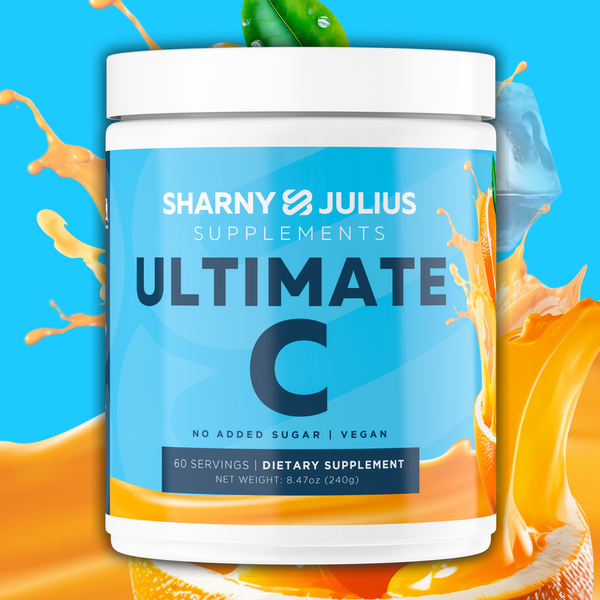
S&J Ultimate C
Triple-form vitamin C · Zero calories · Zero sugar · Family-safe
Why Natural Vitamin C Sources Matter for Your Immunity
Your body processes natural vitamin C sources differently than isolated synthetic forms because nature packages vitamin C with helper compounds called bioflavonoids. These plant compounds act as absorption enhancers and protect vitamin C from degradation, extending its immune-supporting activity in your cells.
Rosehip extract doesn't just provide concentrated vitamin C — it delivers the complete vitamin C complex your immune system recognizes. According to the American Journal of Clinical Nutrition, natural vitamin C sources with bioflavonoids show 35% better absorption and retention compared to ascorbic acid alone. This explains why eating an orange feels different than taking a basic vitamin C tablet.
The challenge is that the highest natural sources like kakadu plum and camu camu aren't practical for daily use, while common sources like citrus fruits provide relatively low concentrations. Your immune system needs consistent, bioavailable vitamin C to maintain the high concentrations required for optimal white blood cell function.
What Actually Works for Maximizing Natural Vitamin C Benefits
Here's how to get the immune-supporting power of nature's best vitamin C sources:
- Prioritize rosehip and citrus bioflavonoids: These provide the natural cofactors that enhance vitamin C absorption and activity
- Combine multiple absorption pathways: Your body uses different mechanisms to absorb ascorbic acid, sodium ascorbate, and calcium ascorbate
- Add zinc for enzyme support: Vitamin C works synergistically with zinc to support over 300 immune enzymes
- Choose pharmaceutical-grade potency: S&J Ultimate C delivers all three forms of vitamin C plus rosehip extract and citrus bioflavonoids in one formula
- Make it sustainable: One scoop in water daily provides clinically meaningful amounts with natural orange flavour that tastes like orange juice — safe for the whole family with zero sugar and zero calories
Ultimate C captures the absorption benefits of natural vitamin C sources while providing the potency your immune system actually needs, combining rosehip extract with triple-form vitamin C for maximum bioavailability.
Natural Vitamin C Source FAQ
What is the richest natural source of vitamin C?
Kakadu plum contains the highest vitamin C concentration at up to 5,300mg per 100g, followed by camu camu and rosehip berries. However, rosehip extract is the most practical high-potency source, providing concentrated vitamin C plus natural bioflavonoids for enhanced absorption.
Which food has the most vitamin C per gram?
Kakadu plum has the highest vitamin C density of any food, containing 50-100 times more vitamin C than oranges. Rosehip berries, camu camu, and acerola cherry also significantly exceed citrus fruits, making concentrated extracts from these sources ideal for daily immune support.
Are natural vitamin C sources better than synthetic?
Natural vitamin C sources provide bioflavonoids and cofactors that enhance absorption and extend vitamin C activity in the body. While synthetic ascorbic acid is chemically identical, combining it with natural compounds like rosehip extract and citrus bioflavonoids delivers superior bioavailability.
Upgrade Your Immunity
Get the concentrated power of nature's best vitamin C sources without the impractical quantities of exotic superfruits. Ultimate C combines rosehip extract with triple-form vitamin C, citrus bioflavonoids, and zinc for maximum absorption and immune support — zero sugar, zero calories, tastes like fresh orange juice.
Shop Ultimate C