


The best protein for Ozempic users is a gentle, complete plant-based protein that delivers all essential amino acids without triggering nausea or digestive discomfort. When semaglutide suppresses your appetite, maintaining adequate protein intake becomes critical for preserving muscle mass during weight loss. According to the American Journal of Clinical Nutrition, patients using GLP-1 medications can lose up to 25% of their weight as lean muscle rather than fat when protein intake drops below optimal levels. The challenge isn't just getting enough protein—it's finding one that works with Ozempic's effects on your digestive system, not against them.
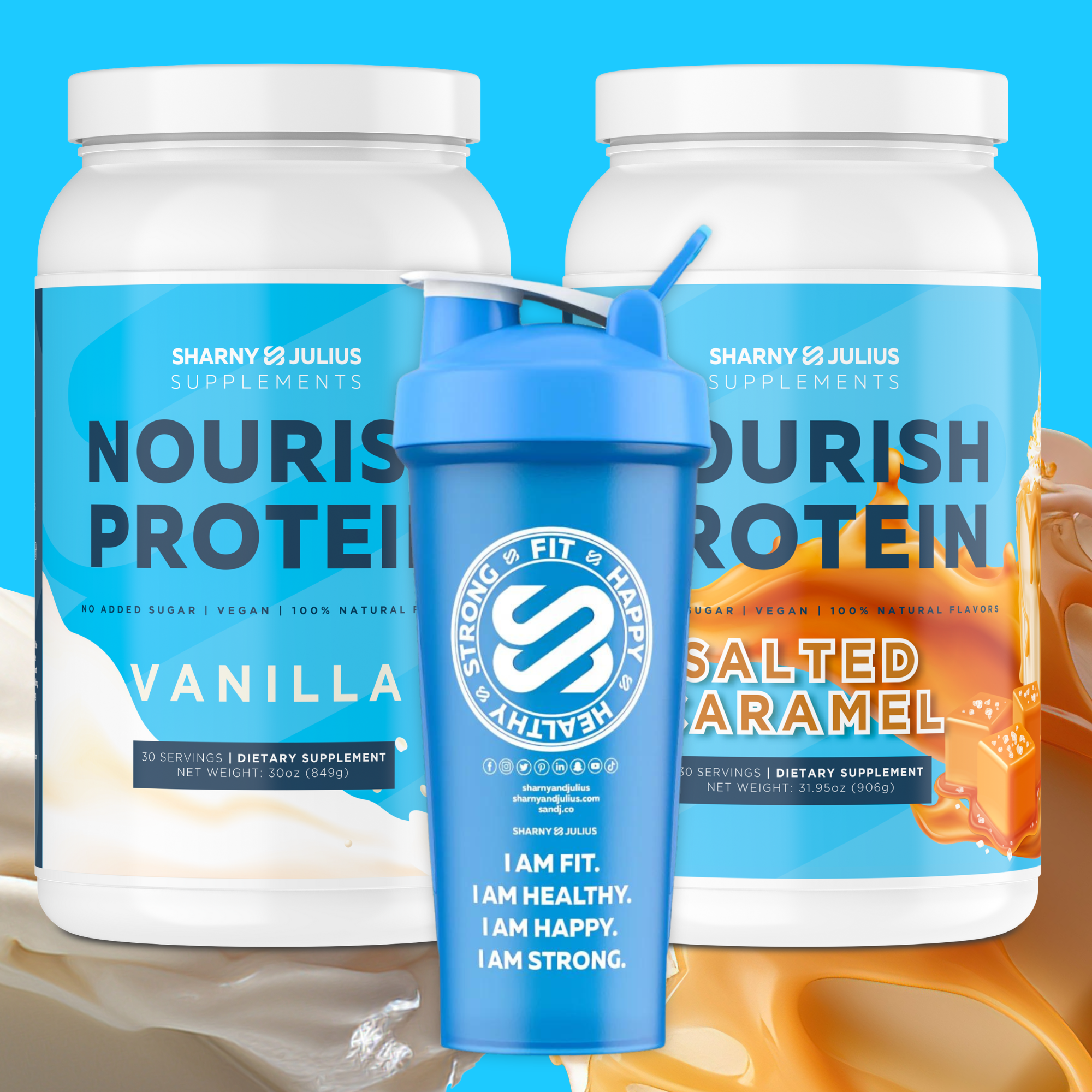
S&J Nourish™ Plant Protein
20g protein · All 9 EAAs · Free from all 9 allergens · NSF Certified
Why Protein Quality Matters for People Using GLP-1 Medications Like Ozempic
Ozempic works by slowing gastric emptying and reducing appetite, which often leads to dramatically reduced protein consumption just when your body needs it most. During rapid weight loss, your body will break down muscle tissue for amino acids if dietary protein is insufficient. Pea protein isolate delivers a complete amino acid profile—including all nine essential amino acids your body cannot produce—with a strong BCAA ratio that matches or exceeds whey protein for muscle preservation. According to research published in the Journal of the International Society of Sports Nutrition, plant-based proteins are particularly effective during caloric restriction because they're easier to digest and less likely to cause the bloating and nausea that can worsen Ozempic side effects. The slow-digesting nature of pea protein also complements semaglutide's delayed gastric emptying, reducing digestive stress while ensuring steady amino acid availability.
What to Look for in a Protein for People Using GLP-1 Medications Like Ozempic
1. Complete amino acid profile: Choose proteins with all 9 essential amino acids to prevent muscle loss during appetite suppression.
2. Allergen-free formulation: Avoid dairy, gluten, and soy which can increase digestive sensitivity on Ozempic.
3. Zero artificial additives: Skip sucralose, aspartame, and artificial sweeteners that can trigger nausea in GLP-1 users.
4. Gentle digestion: Look for options that mix smoothly and cause zero bloating—S&J's S&J Nourish™ plant-based protein delivers 20g of pea protein isolate per serving, free from all 9 major allergens, with 97% of customers reporting zero bloating.
5. Third-party testing: NSF certification ensures purity and label accuracy, crucial when your digestive system is more sensitive than usual.
Protein and Ozempic FAQ
Why do you need extra protein when taking Ozempic or semaglutide?
Ozempic suppresses appetite so effectively that many users consume dangerously low protein levels, leading to muscle loss during weight reduction. Adequate protein intake preserves lean muscle mass and ensures your weight loss comes from fat, not muscle tissue.
How much protein should I eat per day while on Ozempic?
Aim for 0.8-1.2 grams per kilogram of body weight daily, with higher amounts during active weight loss phases. This often requires intentional supplementation since Ozempic can reduce food intake by 20-40% while your protein needs remain constant.
Will a protein shake upset my stomach while I'm on Ozempic?
Plant-based proteins like pea protein isolate are gentler than dairy-based options and less likely to cause nausea or bloating. Choose allergen-free, additive-free formulations that complement rather than fight Ozempic's digestive effects.
Find Your Protein
If you're navigating Ozempic while trying to maintain muscle mass, Nourish™ delivers exactly what you need: 20g of complete pea protein isolate with all 9 essential amino acids, free from all 9 major allergens, NSF certified for purity, and formulated to cause zero bloating. Available in smooth Vanilla and rich Salted Caramel flavors, it's dairy-free, low-FODMAP friendly, and contains no artificial sweeteners that could worsen nausea.
Shop Nourish