


Sarcopenia and Muscle Loss With Age — Age-related muscle loss that accelerates after 40 and how nutrition and exercise can slow or reverse it. Sarcopenia is a progressive condition characterized by declining skeletal muscle mass, strength, and function, increasing the risk of falls, fractures, metabolic dysfunction, and loss of independence in older adults.
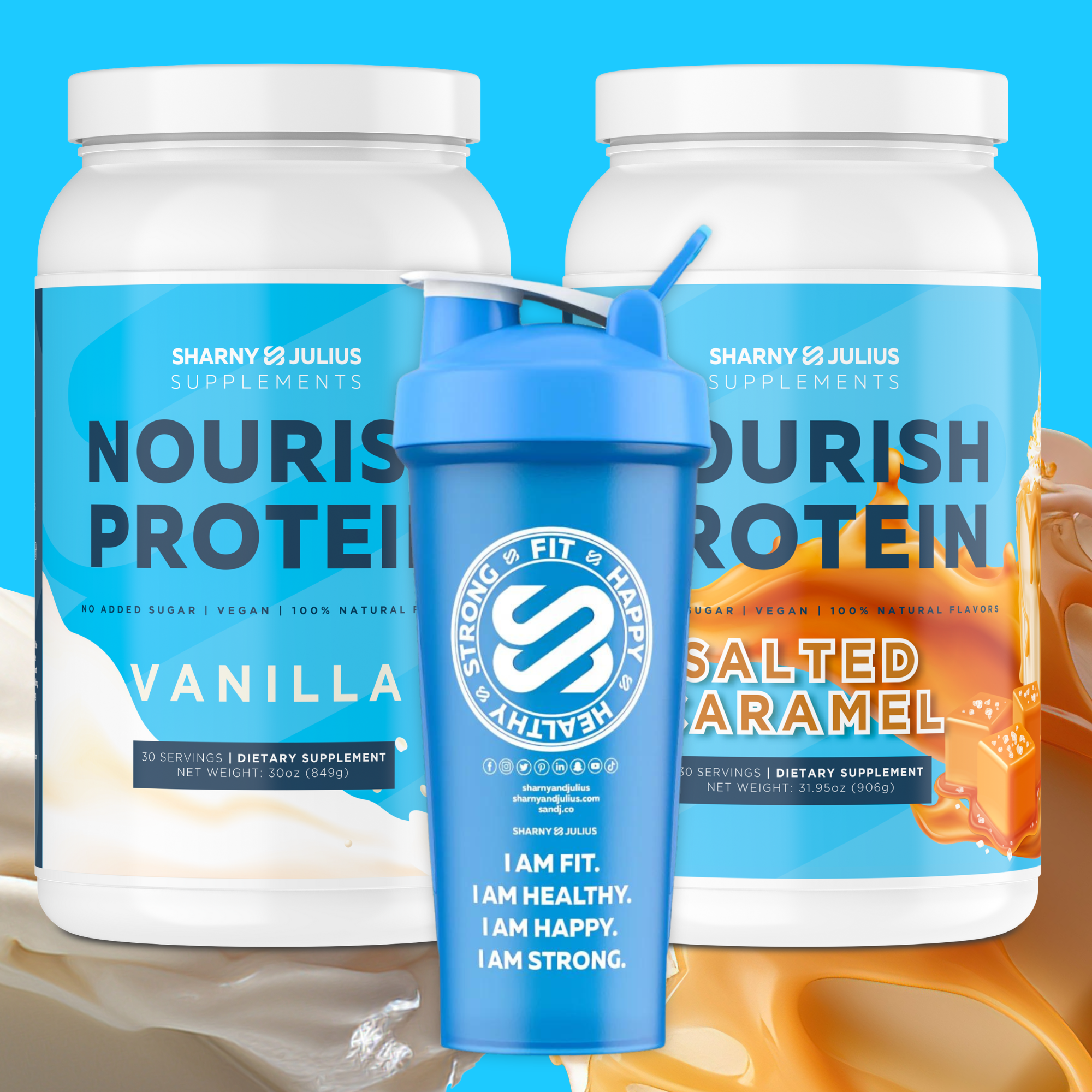
S&J Nourish™ Plant Protein
20g protein · All 9 EAAs · Free from all 9 allergens · NSF Certified
How Sarcopenia Develops
Sarcopenia begins gradually, often without noticeable symptoms. Starting around age 30, adults lose approximately 3 to 8% of their muscle mass per decade, and this rate accelerates significantly after age 60. According to a comprehensive review published in the journal Age and Ageing, sarcopenia affects an estimated 10 to 16% of the global population over age 60, with prevalence rising to over 50% in adults aged 80 and older. The condition results from a combination of declining anabolic hormones, reduced physical activity, chronic low-grade inflammation, and impaired muscle protein synthesis.
At the cellular level, sarcopenia involves a decline in both the number and size of muscle fibers, particularly the fast-twitch type II fibers responsible for strength and power. Research published in the Journal of Cachexia, Sarcopenia and Muscle found that aging muscles develop anabolic resistance, where they become less responsive to the muscle-building signals triggered by protein intake and exercise. This means older adults need higher doses of protein, specifically a minimum of 25 to 30 grams of high-quality protein per meal containing at least 2.5 grams of leucine, to achieve the same muscle protein synthesis response that younger adults get from smaller amounts.
Hormonal changes play a major role, especially in women. During perimenopause and menopause, declining estrogen levels accelerate muscle loss. A study published in the Journal of Clinical Endocrinology and Metabolism found that women lose an average of 0.6% of their lean mass per year during the menopausal transition, a rate roughly double that of premenopausal women. This makes early intervention through nutrition and resistance training essential for women approaching and going through menopause.
Why Preventing Muscle Loss Matters
The consequences of sarcopenia extend far beyond aesthetics. According to the National Institutes of Health, sarcopenia is associated with a two to five times greater risk of disability, a significantly higher rate of falls and fractures, longer hospital stays, and increased mortality in older adults. Muscle tissue is also the body's largest glucose disposal site, so losing it contributes to insulin resistance and increases the risk of type 2 diabetes and metabolic syndrome.
The encouraging news is that sarcopenia is not inevitable. Research published in the journal Medicine and Science in Sports and Exercise has shown that progressive resistance training combined with adequate protein intake can reverse muscle loss even in adults over 70. The American College of Sports Medicine recommends that older adults perform resistance training at least two to three times per week, targeting all major muscle groups, alongside daily protein intake of 1.0 to 1.2 grams per kilogram of body weight distributed evenly across meals. Starting these habits earlier, ideally in your 40s and 50s, provides a significant protective advantage against age-related decline.
Practical Takeaways
- Consume 1.0 to 1.2 grams of protein per kilogram of body weight daily, as recommended by the European Society for Clinical Nutrition and Metabolism (ESPEN), to counteract age-related muscle loss
- Include 25 to 30 grams of high-quality protein at each meal with at least 2.5 grams of leucine to overcome anabolic resistance, as suggested by research in the Journal of Cachexia, Sarcopenia and Muscle
- Perform progressive resistance training at least two to three times per week targeting all major muscle groups, following American College of Sports Medicine guidelines for older adults
- Prioritize vitamin D intake, as the National Institutes of Health notes that deficiency is linked to accelerated muscle loss and that adults over 50 should aim for 600 to 800 IU daily
- Do not rely on aerobic exercise alone for muscle preservation; resistance training produces the strongest stimulus for maintaining and rebuilding muscle fiber size and strength
For older adults seeking a digestible, allergen-free protein source, S&J Nourish™ provides 20g of pea protein isolate with all nine essential amino acids, supporting the higher per-meal protein targets recommended for combating sarcopenia.