


Post-menopausal women benefit most from complete, easily digestible protein powders with 20-25g protein per serving to combat accelerated muscle loss. The hormonal changes after menopause trigger a 1-3% annual decline in muscle mass, making targeted protein supplementation essential for maintaining strength and metabolic health. According to the Journal of Nutrition, post-menopausal women need significantly more protein than younger women — up to 1.2g per kilogram of body weight — to maintain muscle protein synthesis. With conflicting advice everywhere about hormones, supplements, and nutrition, it's smart that you're researching the specifics. The right protein powder can be transformative during this life stage, but the wrong choice can cause digestive issues or fail to deliver the amino acid profile your changing body needs.
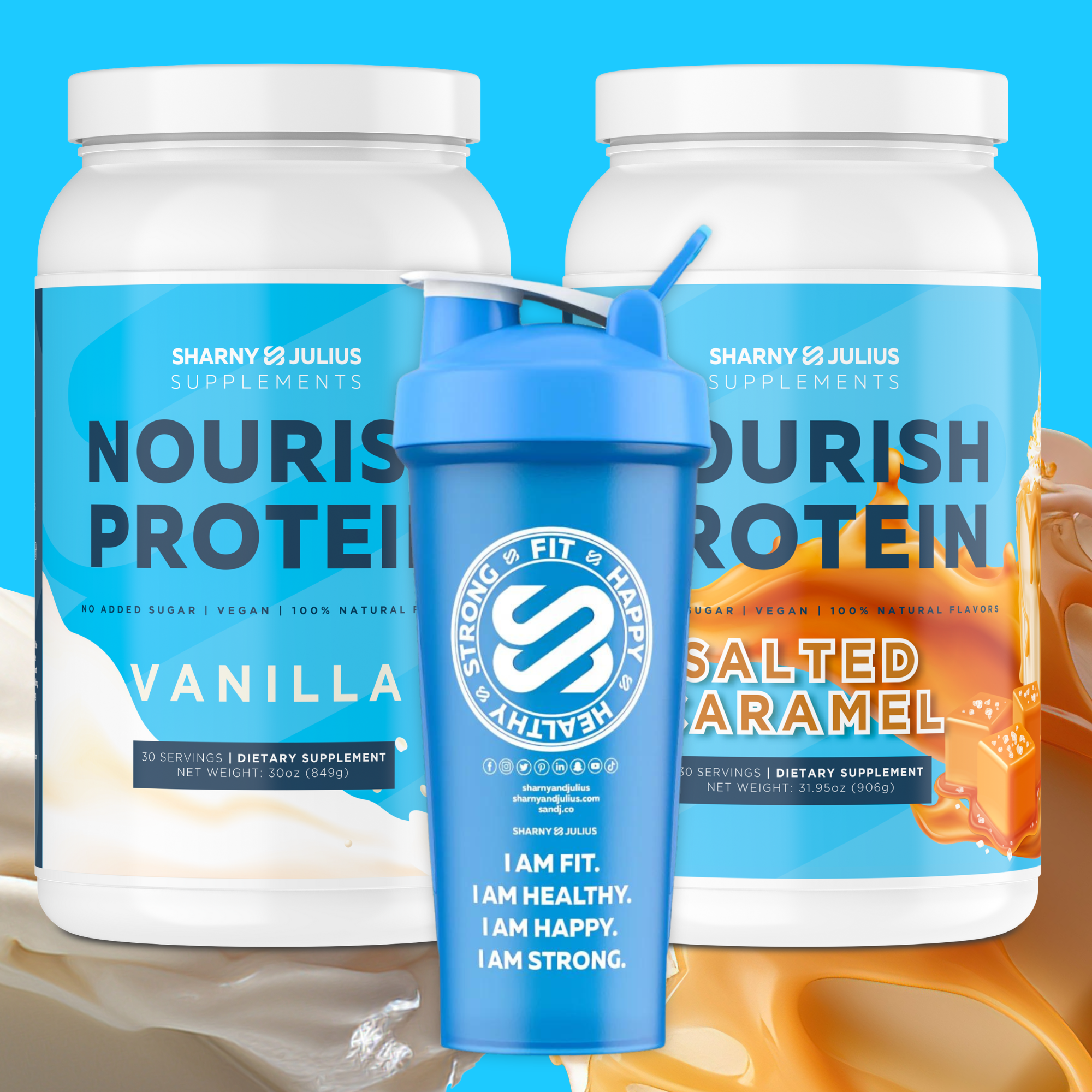
S&J Nourish™ Plant Protein
20g protein · All 9 EAAs · Free from all 9 allergens · NSF Certified
Why Protein Quality Matters After Menopause
Menopause doesn't just affect reproductive hormones — it fundamentally changes how your body builds and maintains muscle. The decline in estrogen reduces muscle protein synthesis while simultaneously increasing muscle protein breakdown, creating a perfect storm for sarcopenia. According to the American Journal of Clinical Nutrition, women lose muscle mass twice as fast after menopause compared to pre-menopause, with some experiencing up to 3% annual muscle loss in the first five years. This isn't just about aesthetics — muscle loss directly impacts bone density, metabolic rate, insulin sensitivity, and functional independence as you age. Your protein needs increase precisely when your appetite might decrease and digestive sensitivity often increases. This is why the type and quality of protein becomes crucial. Complete proteins with all nine essential amino acids, particularly high levels of leucine, are necessary to trigger muscle protein synthesis in post-menopausal women who show reduced sensitivity to protein stimulation.
What to Look for in a Protein After Menopause
1. Complete amino acid profile: Choose proteins with all 9 essential amino acids, particularly high leucine content (2.5g+ per serving) to overcome age-related resistance to muscle building signals. 2. Digestive gentleness: Avoid common triggers like dairy, soy, and artificial additives that can worsen digestive sensitivity during hormonal transitions. 3. Clean formulation: Look for NSF certified products free from fillers, gums, and artificial ingredients that can cause bloating and discomfort. 4. Hormone-neutral ingredients: Avoid soy-based proteins containing phytoestrogens that might interfere with your body's natural hormonal settling process. 5. Proven absorption: Pea protein isolate like our S&J Nourish™ delivers 20g of complete protein with a BCAA ratio that matches or exceeds whey, but without dairy-related inflammation. With all 9 essential amino acids, zero allergens, and NSF certification for purity, 97% of customers report zero bloating — crucial when digestive changes are common after menopause.
Protein After Menopause FAQ
How much protein should you eat after menopause?
Post-menopausal women need 1.2g of protein per kilogram of body weight daily, significantly higher than pre-menopause requirements. For a 150lb woman, that's approximately 80g daily. This increased need helps offset reduced muscle protein synthesis and supports bone health during hormonal changes.
What changes happen to muscles after menopause?
Menopause triggers 1-3% annual muscle loss due to declining estrogen, which reduces muscle protein synthesis while increasing breakdown. This accelerated sarcopenia affects strength, metabolism, and bone density. The process begins in perimenopause and continues for 5-7 years post-menopause without intervention.
Can protein reverse menopausal muscle loss?
Adequate protein intake combined with resistance training can slow, stop, and even reverse menopausal muscle loss. However, post-menopausal women need higher protein amounts and better amino acid timing than younger women to achieve the same muscle-building response due to age-related anabolic resistance.
Find Your Protein
Your post-menopausal body deserves protein that works with your changing physiology, not against it. Nourish™ delivers 20g of complete pea protein isolate with all 9 essential amino acids, free from all 9 major allergens, NSF certified for purity, and formulated without soy phytoestrogens — allowing your hormones to settle naturally while supporting muscle maintenance.
Shop Nourish